
Pests
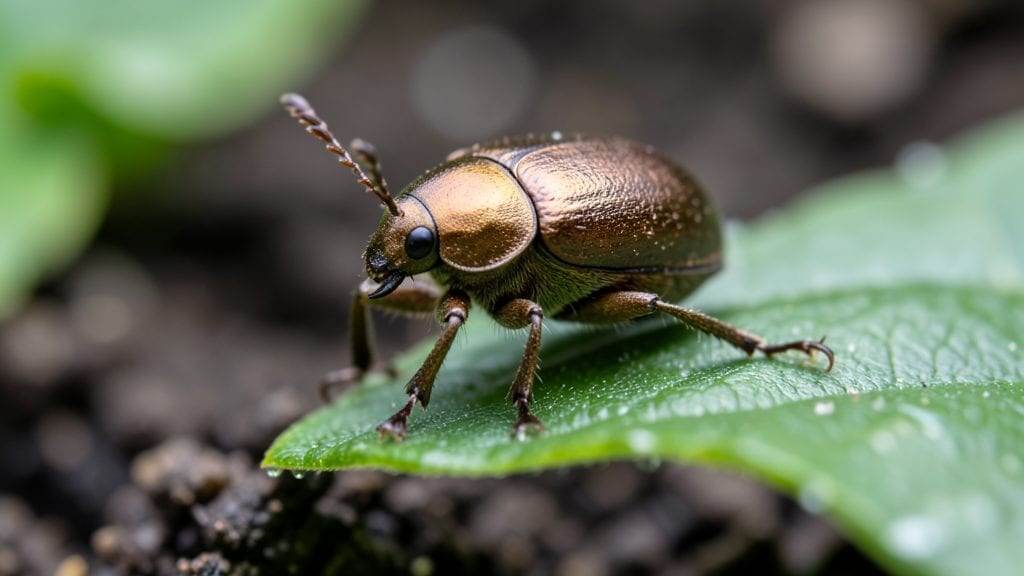
The Asian garden beetle invasion starts with tiny grubs lurking in your lawn—until they erupt as shiny black beetles devouring your veggies and flowers. 🌱 I’ve seen these pests turn a thriving garden into skeleton leaves overnight, but natural barriers can stop them before they even arrive.
The key is cutting off their entry points while protecting your plants without harsh chemicals.
Most gardeners focus on traps or sprays after the damage is done, but the real game-changer is prevention. A thick layer of diatomaceous earth around plant bases confuses their tiny legs, while copper barriers create an invisible electric fence they can’t cross.
Even a simple mulch ring of wood chips disrupts their movement patterns—no fancy tools required.
Within 24-48 hours of setting up these barriers, you’ll notice fewer beetles crawling onto your plants. The grubs stay buried in the lawn, and your vegetables—tomatoes, peppers, and beans—stop looking like Swiss cheese. The best part? These methods work for organic-certified gardens and keep working season after season.
If you’re dealing with an existing infestation, combine barriers with neem oil sprays in the evening for double protection. The beetles hate both the texture and the scent, giving your plants a fighting chance.
Start with the edges of your garden and work inward—this pest doesn’t stand a chance when you block their path early.
📚 In This Guide
- What you need
- Instructions
- Tips and common mistakes
- Wrapping up and next steps
What you need
- ● Diatomaceous earth (food-grade): 1–2 lbs (enough to create a 1-inch band around plants)
- ● Horticultural sand: 5–10 lbs (for a 2–3 inch deep barrier)
- ● Fine copper tape: 1–2 rolls (for edging raised beds or containers)
- ● Organic mulch (straw, wood chips, or pine needles): 2–3 inches thick (for ground coverage)
- ● Garden twine or chicken wire: 1 roll (to create physical barriers for young plants)
- ● Watering can or hose: For moistening barriers (especially diatomaceous earth)
- ● Garden gloves: 1 pair (to protect hands from gritty materials)
- ● Hand trowel or rake: For spreading sand or mulch evenly
- ● Measuring tape: To ensure barriers are at least 12–18 inches wide
- ○ Neem oil (optional): 1–2 oz (for spraying plants as an added deterrent)
- ● Row covers (floating fabric): 1–2 sheets (for vulnerable seedlings)
- ● Sticky traps (yellow or blue): 2–4 traps (to monitor beetle activity)
Instructions for creating natural Asian garden beetle barriers
Here's how to build effective, chemical-free defenses that keep these pests from feasting on your garden.
🌱 Step 1: Choose Your Barrier Materials
Start with a 12-inch wide band of diatomaceous earth or kaolin clay—both create a natural, non-toxic shield. I like to apply these around the garden's perimeter, especially near roses, grapes, and fruit trees (their favorite snacks). For physical barriers, copper tape or sticky traps work well along fence lines or raised beds.
If you're using diatomaceous earth, sprinkle it evenly in a 2-inch wide strip around plants. The microscopic particles damage their exoskeletons, causing dehydration. For kaolin clay, mix it with water to form a paste and paint it on stems or around plant bases. This confuses beetles and deters them from landing.
💧 Step 2: Set Up Physical Barriers
Install fine mesh netting (with 0.5mm holes or smaller) over vulnerable plants like tomatoes, peppers, and berries. Secure it tightly with clips or stakes so beetles can’t crawl underneath. I’ve found that cheesecloth works too—it’s breathable for plants but blocks beetles effectively.
For raised beds, wrap the edges with copper tape (available at garden centers). The slight electric charge repels beetles on contact. If you notice beetles gathering near your compost pile, cover it with a heavy-duty tarp secured with bricks or rocks—this cuts off their breeding grounds.
☀️ Step 3: Create a Deterrent Plant Ring
Plant a border of strong-scented herbs like mint, basil, or lavender around your garden’s edge. These plants mask the smells that attract beetles. I like to interplant garlic and chives near roses—their pungent aroma confuses the beetles’ navigation system.
Add marigolds to the mix. Their bright flowers attract beneficial insects like ladybugs and lacewings, which prey on Asian garden beetles. Space these plants 12-18 inches apart in a 2-foot wide band around your garden. This creates a living barrier that’s both beautiful and functional.
✂️ Step 4: Maintain and Monitor
Check your barriers every 3-5 days—especially after rain, which can wash away diatomaceous earth or dilute kaolin clay. Reapply as needed to keep protection strong. If you spot beetles crawling on sticky traps, replace them immediately—they lose effectiveness once full.
Handpick any beetles you find on plants and drop them in soapy water (a gallon of water + 1 tablespoon dish soap). This is the most direct way to reduce their numbers without harming your garden. I do this in the early morning when beetles are sluggish and easiest to spot.
⏰ Step 5: Time Your Efforts
Asian garden beetles are most active at dusk and dawn, so focus your inspections during these times. If you notice chewed leaves or skeletonized foliage, increase your barrier checks to daily until the threat passes. In late summer, beetles start laying eggs, so double down on physical barriers in August and September—this is their peak breeding season.
By combining these methods, you’ll create a multi-layered defense that’s tough for beetles to penetrate. The key is consistency—beetles are persistent, but so are these natural solutions.
Tips & tricks for Asian garden beetle barriers
These practical strategies will help you build the most effective natural defenses against Asian garden beetles—without chemicals or guesswork.
Layer Your Defenses: The key to success is combining multiple methods. In Step 1, pair your 12-inch wide band of diatomaceous earth with copper tape along fence lines. This creates a physical and chemical barrier that beetles can't easily bypass. I've found that areas with just one type of barrier often see beetles finding workarounds within days, but layered defenses keep them out for weeks.
Application Precision: When applying the 2-inch strip of diatomaceous earth in Step 1, focus on the base of plants and along stems where beetles crawl upward. The microscopic particles need direct contact to work, so avoid applying to leaves where rain might wash it away. For kaolin clay, use a paintbrush to create a thin, even layer—thick applications can smother plants.
Herb Placement Strategy: In Step 3, position your mint, basil, and lavender border at least 3 feet from your main garden plants. These herbs release volatile oils that repel beetles, but they can also compete with your vegetables for nutrients. I like to plant them in a dedicated 2-foot wide band along property lines, creating a natural scent barrier that extends beyond your garden's perimeter.
Seasonal Adjustments: During August and September (Step 5), switch to daily inspections and reinforce your barriers. This is when beetles lay eggs, and their numbers explode. I've seen infestations go from manageable to overwhelming in just two weeks if you don't increase vigilance. Consider adding extra sticky traps during this period—they'll help track population levels and give you early warning of new activity.
Pro Tips for Asian Garden Beetle
- These practical strategies will help you build the most effective natural defenses against Asian garden beetles—without chemicals or guesswork.
- Layer Your Defenses: The key to success is combining multiple methods.
- Application Precision: When applying the 2-inch strip of diatomaceous earth in Step 1, focus on the base of plants and along stems where beetles crawl upward.
Frequently asked questions
Got questions about Asian garden beetles? You’re not alone! Here are some of the most common concerns—plus quick, actionable answers to help you protect your garden naturally.
What do Asian garden beetles look like, and how can I tell them apart from other beetles?
Asian garden beetles (AGBs) are about half an inch long, with a coppery-brown head and thorax and a black or dark brown wing cover. Unlike similar beetles (like Japanese beetles), AGBs have six white stripes on their wing covers and no metallic green sheen. Check for these clues before acting!
When is the best time to treat for Asian garden beetles?
AGBs emerge in late May to June and remain active until mid-September. The best time to apply natural barriers (like kaolin clay or neem oil) is early in the season, before they lay eggs. Repeat treatments every 2–3 weeks for ongoing protection.
Are there chemical-free ways to keep them away from my vegetable garden?
Try these natural deterrents:
- Kaolin clay (like Surround WP) creates a barrier they can’t cross.
- Diatomaceous earth (food-grade) dehydrates them on contact.
- Row covers (floating fabric) block adults while allowing light/air.
- Beneficial nematodes target their grubs in the soil.
Combine methods for the best results!
Will Asian garden beetles kill my plants, or is it mostly cosmetic damage?
While they don’t usually kill plants, AGBs can skeletonize leaves (eating soft tissue) and damage fruits/veggies like corn, beans, and tomatoes. Heavy infestations may stress plants, but early intervention prevents major harm. Focus on young beetles—they do the most damage!
How do I know if my lawn has Asian garden beetle grubs?
Look for brown, C-shaped grubs (up to 1 inch long) in the soil, especially in late summer. Other signs:
- Irregular brown patches in grass (like drought damage).
- Increased bird activity (they love to eat grubs!).
- Adult beetles chewing leaves at night.
Dig up a small patch of turf—if grubs are present, treat with beneficial nematodes or milky spore for long-term control.
Wrapping up and next steps
Protecting your garden from the Asian garden beetle doesn’t have to mean harsh chemicals—natural barriers like copper tape, diatomaceous earth, and row covers are effective, eco-friendly, and easy to implement.
By combining these methods with consistent monitoring, you can keep these pests at bay while fostering a healthier, thriving garden. 🌱
Ready to take action? Start small—test a few barriers in one section of your garden this season and observe the results. Small steps lead to big victories! Share your progress with fellow gardeners or local pest-control groups for extra support. Your green space (and future harvests) will thank you! 🌟