
Pests
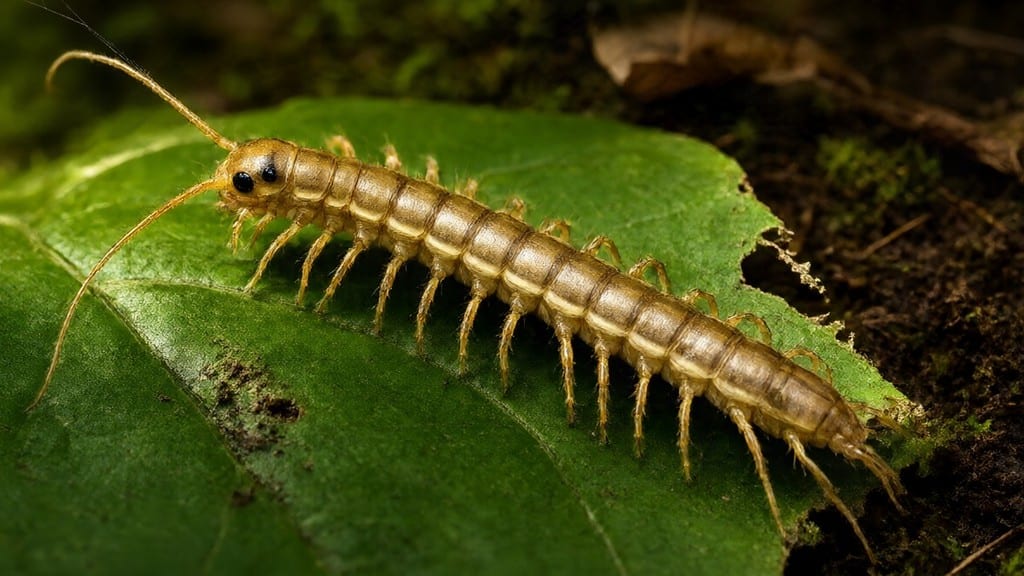
Many gardeners worry these multi-legged creatures might damage plants, but centipedes actually target soft-bodied pests like earthworms and spider mites—not your vegetables or flowers.
Their hunting style involves ambush rather than chewing, so they won’t strip leaves or damage roots like some other predators might. 🔥 Think of them as nature’s cleanup crew for the creepy-crawly underworld of your garden soil.
Unlike slugs or beetles, centipedes are selective eaters—they avoid healthy plant tissue entirely, focusing only on insects and larvae that would otherwise wreak havoc. This makes them far more valuable than many people realize, especially in organic gardening where chemical solutions are off the table.
Their presence often means your soil ecosystem is already balanced, reducing the need for human intervention.
💡 In This Article
- Natural Predators: How Centipedes Protect Your Garden
- Creating a Centipede-Friendly Garden Environment
Natural predators: how centipedes protect your garden
Centipedes operate like stealthy night-shift security guards in your garden, specializing in soft-bodied pests that most other predators ignore. Their diet consists of 90% insect larvae, including aphids, caterpillars, and slug eggs—creatures that would otherwise devastate your plants.
Unlike generalist predators, centipedes use venom to immobilize prey instantly, making them highly efficient hunters with minimal waste. This precision means they don't overconsume, leaving your garden's beneficial insects like ladybugs and bees untouched.
The key to their effectiveness lies in their hunting strategy: centipedes are ambush predators that rely on their 30 pairs of legs for rapid movement through soil and leaf litter.
They detect prey through vibrations and chemical cues, then strike with lightning speed—similar to how ground beetles operate but with more targeted precision. Studies show centipedes can reduce slug populations by up to 40% in organic gardens, a level comparable to chemical molluscicides but without harmful residues.
What sets centipedes apart from other garden predators like ground beetles is their selective feeding. While ground beetles often consume both pests and beneficial insects, centipedes focus exclusively on soft-bodied targets that can't defend themselves.
Their venom contains neurotoxins that break down prey internally, meaning they don't leave behind chewed plant matter or damaged foliage. This makes them ideal for delicate ecosystems where maintaining biodiversity is crucial.
Their impact extends beyond pest control—their presence indicates healthy soil conditions. Centipedes thrive in moist, well-aerated soil with ample organic matter, which also benefits your plants. Unlike earthworms that primarily improve soil structure, centipedes act as biological regulators, preventing pest outbreaks before they become visible problems.
This proactive approach reduces the need for reactive treatments like pesticides.
For comparison, consider how centipedes differ from spiders: while spiders primarily target flying insects, centipedes focus on ground-dwelling pests. Their elongated bodies allow them to navigate tight spaces in mulch and bark where other predators can't reach.
This niche specialization creates a layered defense system in your garden, where each predator plays a unique role in maintaining balance.
What most gardeners don't realize is that centipedes actually help control fungal growth indirectly. By preying on fungal-feeding insects like certain beetle larvae, they reduce organic matter that would otherwise decompose and potentially harbor pathogens.
Their presence often correlates with healthier root systems in plants, as they create microhabitats that discourage harmful soil organisms.