
Diseases
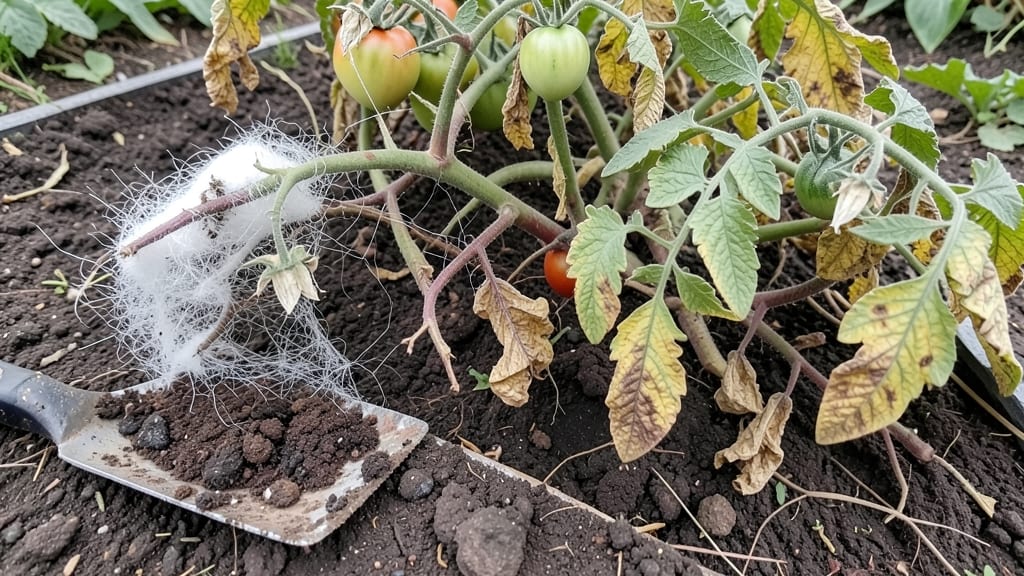
Mold in garden soil isn’t just unsightly—it can smother plant roots and trigger rot before you even notice. 🌱 I’ve seen it turn a thriving bed into a mushy mess, and the key to stopping it starts with understanding why it shows up in the first place.
Overwatering, poor drainage, and too much organic matter left to decompose without airflow create the perfect damp, dark conditions for fungal growth.
The good news? Healthy soil fights mold naturally. I’ve cut down on fungal issues by amending my beds with coarse sand or perlite to improve drainage and mixing in aged compost instead of fresh.
This keeps the soil loose, well-aerated, and less hospitable to mold spores. Even better, it prevents the need for harsh chemicals that disrupt the soil’s balance over time.
You’ll notice plants growing stronger and roots staying firm, not slimy. The soil will smell fresh—like healthy earth, not musty—and your harvests will come back bigger. The secret is simple: balance moisture, improve airflow, and feed the good microbes that outcompete mold.
Works for vegetable gardens, flower beds, and even potted plants. Once you reset the soil’s balance, mold becomes a rare visitor instead of a constant problem. Let’s get your beds back to thriving!
The Hidden Triggers Behind Fungal Growth
Mold thriving in your garden soil isn’t just an eyesore—it’s a sign of underlying conditions that create the perfect fungal buffet. Understanding these triggers helps you take action before mold spreads and weakens your plants. Let’s break down the key causes, backed by science, so you can tackle them head-on.
Fungi love water—think of mold spores as tiny aquatic adventurers waiting for damp conditions to multiply. When soil stays soggy for extended periods, it creates the ideal breeding ground. Here’s why:
- Oxygen Deprivation: Waterlogged soil pushes out oxygen, creating anaerobic conditions that favor fungal growth over beneficial microbes. Fungi thrive in low-oxygen environments, while most plants suffocate.
- Spores Germinate Faster: Mold spores need at least 24–48 hours of moisture to germinate. If your soil stays damp (e.g., from overwatering, poor drainage, or heavy rainfall), spores get a constant feast.
- Root Stress: Waterlogged roots release sugars and nutrients into the soil, acting like a fungal fast-food menu. This accelerates mold growth while weakening plants.
Actionable Fix: Test your soil’s drainage by digging a 6-inch hole, filling it with water, and timing how long it takes to drain. If it sits for more than 6 hours, amend with compost or sand to improve aeration.
Leaves, grass clippings, and old mulch aren’t just garden waste—they’re potential fungal hotspots. When organic matter decomposes too slowly, it creates a warm, humid microclimate perfect for mold. Here’s the science:
- High Carbon-to-Nitrogen Ratio: Fresh organic debris (like untreated wood chips) is carbon-rich, slowing decomposition and trapping moisture. This creates a stagnant, acidic environment that fungi adore.
- Sugar Release: Decaying plant material releases simple sugars, which fungi metabolize rapidly. This fuels their growth while starving your plants of nutrients.
- Compacted Soil: A thick layer of mulch or debris can smother soil, blocking airflow and trapping heat—another fungal favorite.
Actionable Fix: Rake away thick layers of debris and replace mulch with coarse, well-aged compost (3:1 carbon-to-nitrogen ratio). Avoid piling mulch against plant stems to prevent rot.
Fungi aren’t picky—they’ll grow in a wide range of conditions, but they prefer specific temperature and humidity levels. Here’s where they thrive:
| Factor | Ideal Range for Mold | Why It Matters |
|---|---|---|
| Temperature | 60–85°F (15–30°C) | Fungi grow fastest in warm, stable temps. Below 50°F (10°C), growth slows; above 90°F (32°C), spores may become dormant. |
| Humidity | 70%+ relative humidity | High humidity keeps spores hydrated and active. Below 60%, fungal growth significantly slows. |
| Soil pH | 5.0–7.0 (slightly acidic to neutral) | Most fungi prefer acidic to neutral soil. Alkaline soil (pH 7.5+) can inhibit some types, but others (like Rhizoctonia) still thrive. |
Actionable Fix:
- ✅ Improve airflow: Space plants 12–18 inches apart and prune foliage to reduce humidity near the soil.
- ✅ Monitor temps: Use row covers in summer to prevent overheating, or mulch heavily in winter to insulate roots.
- ✅ Adjust pH: Test your soil and amend with lime (to raise pH) or sulfur (to lower it) if needed.
Healthy plants naturally resist mold, but stress opens the door for fungal invaders. Common triggers include:
- Nutrient Deficiencies: Plants low in nitrogen, phosphorus, or potassium are 30–50% more susceptible to fungal attacks. Weak roots can’t compete with mold for resources.
- Physical Damage: Pruning wounds, insect bites, or hail can create entry points for spores. Studies show damaged plants are 10x more likely to develop fungal infections.
- Previous Infestations: If mold was present last season, spores may linger in the soil or on tools, reinfecting new plants.
Actionable Fix:
- 💡 Boost plant health: Use a balanced fertilizer (e.g., 10-10-10) and foliar sprays with seaweed extract to strengthen cell walls.
- 🔪 Sterilize tools: Clean pruners and shovels with a 1:10 bleach-water solution between uses.
- ⏰ Rotate crops: Avoid planting the same species in the same spot yearly to break fungal cycles.
Dense, compacted soil is a fungal’s dream because it traps moisture, blocks roots, and creates pockets of stagnation. Here’s how it happens:
- Reduced Aeration: Compacted soil has 50% less oxygen than loose soil, suffocating helpful bacteria and letting fungi dominate.
- Water Pooling: Heavy foot traffic or machinery creates hardpan layers that prevent drainage, leading to waterlogged zones.
- Limited Microbial Competition: Beneficial microbes (like Trichoderma) need loose soil to outcompete mold. Compaction gives fungi an unfair advantage.
Actionable Fix: Loosen soil with a broadfork or add perlite, vermiculite, or coconut coir to improve structure. Avoid walking on garden beds—use mulch paths instead.
Fixing Fungal Overgrowth Naturally
Mold in garden soil isn’t just unsightly—it can strangle your plants before they even sprout. But the good news? You don’t need harsh chemicals to tackle it. Below, we’ll break down practical, plant-safe solutions tailored to the root causes of fungal overgrowth, from moisture mismanagement to poor soil health.
Plus, we’ll share prevention tips to keep your garden thriving long-term.
Mold thrives in soggy conditions, so the first step is to cut off its water supply. If your soil feels damp for days after watering, it’s time to act.
How to Fix It:
- 🔥 Improve Drainage First Amend heavy clay or compacted soil with coarse sand, perlite, or compost to create air pockets. A 50/50 mix of native soil and organic matter (like coconut coir or peat moss) works wonders.
- Pro Tip: Test drainage by digging a 6-inch hole, filling it with water, and timing how long it takes to drain. If it’s slower than 4 hours, your soil needs help.
- 👨🍳 Adjust Your Watering Habits Water deeply 2–3 times per week (early morning is best) instead of daily light sprinkles.
Use a soaker hose or drip irrigation to deliver water directly to roots, avoiding leaf wetness that fuels mold. - Pro Tip: If your garden has low spots, consider raised beds or swales to redirect water flow.
- ⏰ Speed Up Drying Between Waterings Use a fan on low for 10–15 minutes after watering to circulate air. For container gardens, elevate pots with feet or bricks to prevent water pooling.
Leaves, mulch, and plant waste create a mold buffet. While some organic matter is great for soil, too much becomes a breeding ground for fungi.
How to Fix It:
- 🔪 Remove Excess Mulch & Debris Rake away thick layers of mulch (leave a 2-inch layer near plant bases) and compost or discard damp leaves, dead plants, or grass clippings. If mold is already present, bag and dispose of infected material in a sealed bin.
- 🌡️ Compost Properly (If Keeping Organics) Turn your compost pile regularly to heat it up (140°F+ kills mold spores). Balance "greens" (nitrogen-rich, like grass clippings) with "browns" (carbon-rich, like dry leaves) in a 3:1 ratio.
- ✨ Use Barrier Mulches Switch to straw, pine needles, or gravel for mulch in problem areas. These allow airflow while suppressing weeds—without feeding mold.
Mold loves dark, damp, and cool conditions. If your garden is shaded or slow to warm in spring, fungi get a head start.
How to Fix It:
- 🌞 Increase Sun Exposure Prune overhanging trees or relocate shade-loving plants to sunnier spots. Even partial sun (4–6 hours daily) can make a difference.
- 🔥 Warm Up the Soil Faster
- Cover bare soil with black plastic sheeting for 2–3 weeks in early spring to absorb heat.
- Plant warm-season crops (like tomatoes or peppers) after soil temps hit 60°F+ (use a soil thermometer).
- Pro Tip: Mulch with straw in fall to insulate soil and prevent winter dampness.
- 💡 Choose Mold-Resistant Plants Some plants are tougher than others. Opt for marigolds, nasturtiums, or thyme—they repel fungi naturally and thrive in less-than-perfect conditions.
Once you’ve treated the problem, stop it from coming back with these low-effort habits:
| Prevention Tip | How to Do It | Why It Works |
|---|---|---|
| 🌿 Rotate Crops | Switch plant families yearly (e.g., tomatoes → beans). | Breaks fungal life cycles in the soil. |
| 🍄 Use Fungal Foes | Plant garlic, chives, or comfrey nearby. | These release natural antifungal compounds. |
| 💦 Water at the Base | Aim hoses/drip lines only at soil level. | Keeps leaves dry and reduces spore spread. |
| 🌡️ Test Soil pH | Aim for 6.0–7.0 (use a test kit). | Mold prefers acidic soil; lime can adjust pH. |
| 🧹 Sterilize Tools | Wipe pruners/clippers with rubbing alcohol between uses. | Prevents spreading spores to healthy plants. |
Final Thought: Mold in garden soil is manageable—even without chemicals. Start with drainage fixes, clean up debris, and boost sunlight, then keep up with preventative care. Your plants (and your sanity) will thank you! 🌱💪
Frequently asked questions
Is mold in garden soil always harmful to plants?
Not all mold is dangerous, but most types can still harm plants by competing for nutrients or causing root rot. The key is prevention—healthy soil with good drainage and airflow naturally discourages harmful fungal growth. If you spot fuzzy green/black patches, act quickly to protect your plants.
Can I still plant in soil with mold?
Yes, but first improve the soil by adding coarse sand or perlite to boost drainage and mixing in aged compost (not fresh). Remove visible mold and debris, then wait 24 hours before planting to let the soil dry out. For severe cases, consider replanting in fresh soil.
What’s the fastest way to dry out moldy garden soil?
Spread a 2-inch layer of straw or pine needles over the soil and use a fan on low for 15–20 minutes daily to improve airflow. Avoid watering until the top 3 inches feel dry (stick your finger in to check). Sunlight also helps—move potted plants to a sunny spot or prune nearby shade.
Will vinegar kill mold in garden soil?
White vinegar can help, but use it carefully. Mix 1 part vinegar to 3 parts water and lightly spray the soil surface (avoid over-saturating). Repeat every 3–4 days until mold disappears. For best results, combine with improving drainage and removing organic debris to prevent regrowth.
How do I know if my mold problem is serious?
Check for these red flags: yellowing leaves, stunted growth, or soft, mushy roots. If you see mold spreading quickly or plants wilting despite watering, the issue is serious. Healthy soil should smell earthy, not musty. Act fast by improving drainage and reducing organic buildup.