
Companion Plants
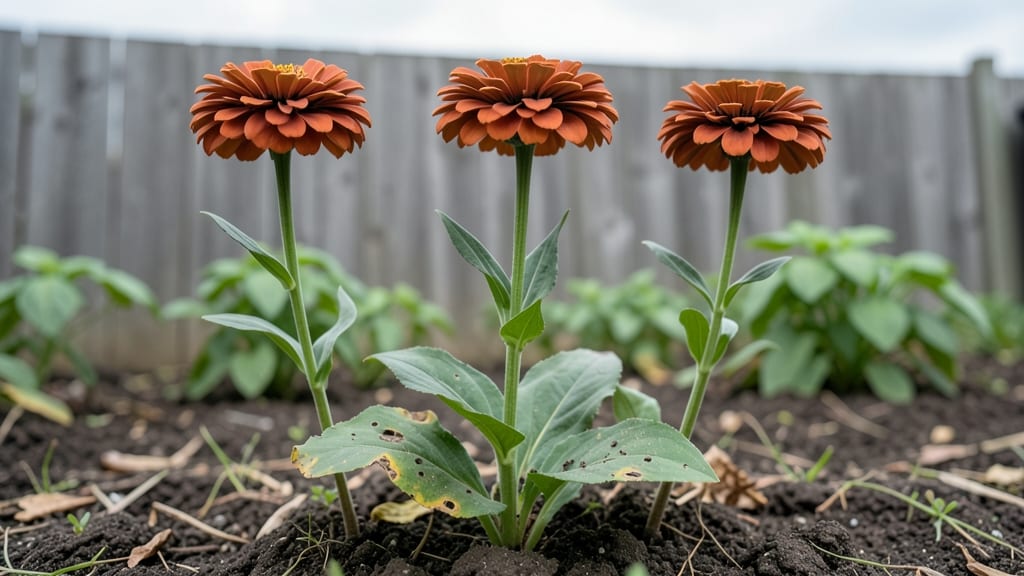
Annual garden plants are the secret weapon in my pest-free, vibrant borders—plants like marigolds and nasturtiums that work harder than any chemical spray. 🌻 I used to lose entire beds to aphids and cabbage worms, but these powerhouses changed everything with their natural repellent properties and bold colors.
They’re not just pretty—they’re the backbone of low-maintenance garden design. Mix sun-loving cosmos with shade-tolerant impatiens for a border that thrives all season, or tuck basil and dill among your veggies to keep pests away while adding fragrance.
The best part? You can swap them out yearly for fresh looks without replanting perennials.
By late summer, your garden will buzz with pollinators and stay free of common pests—all while looking like a curated masterpiece. These plants thrive in containers too, so even small spaces get the full benefit. I’ll show you how to layer them for maximum impact and minimal effort.
Whether you’re filling a sunny border, dressing up a patio pot, or creating a pollinator haven, annuals are the fastest way to transform your space. Let’s get planting!
📚 In This Guide
- What you need
- Instructions
- Tips and common mistakes
- Wrapping up and next steps
What you need
- ● Annual plants (seedlings or seeds): Marigolds (French or African varieties) – 6–12 plants (pest-repelling superstars!)
- ● Basil – 3–5 plants (deters flies, mosquitoes, and thrips)
- ● Nasturtiums – 10–15 plants (repels aphids, squash bugs, and whiteflies)
- ● Petunias – 5–8 plants (deters asparagus beetles and tomato hornworms)
- ● Cosmos – 3–6 plants (attracts predatory wasps that eat pests)
- ● Dill or Fennel – 2–3 plants (keeps spider mites and aphids away)
- ● Soil & Fertilizer: Well-draining potting mix or garden soil – 1–2 bags (2–3 cubic feet each)
- ● Compost or organic fertilizer – 1–2 cups per planting area (boosts plant health)
- ○ Slow-release granular fertilizer (10-10-10 or 5-5-5) – 1–2 lbs (optional but helpful)
- ● Planting Supplies: Garden trowel or hand shovel
- ○ Gloves (optional, for comfort)
- ● Watering can or hose with a gentle spray nozzle
- ● Mulch (straw, wood chips, or shredded leaves) – 1–2 bags (retains moisture and deters weeds)
- ● Plant markers or stakes (to label your pest-repelling heroes!)
- ● Organic pest spray (neem oil or insecticidal soap) – 1–2 bottles (for stubborn infestations)
- ● Row covers (lightweight fabric) – 1–2 rolls (protects seedlings from pests while they grow)
- ● Drip irrigation kit (for efficient watering)
- ● Garden journal (to track what works best in your space!)
How to select and plant annuals for natural pest control
Here’s how to choose and place annuals that keep pests at bay while boosting your garden’s beauty.
🌱 Step 1: Choose Pest-Repelling Annual Varieties
Start with annuals known for their pest-deterrent properties, like marigolds (which repel nematodes and aphids), nasturtiums (ward off squash bugs), or basil (keeps flies and mosquitoes away). I always plant at least four different types to create a layered defense system—pests can’t target everything at once.
Check seed packets for disease resistance labels, like "powdery mildew resistant" or "heat tolerant." These traits ensure your plants stay healthy and effective. For example, French marigolds thrive in heat and deter pests better than other varieties. Plant them near tomatoes or peppers to protect those high-value crops.
🪴 Step 2: Prepare Planting Spots Strategically
Annuals work best when placed near susceptible plants, not scattered randomly. For instance, nasturtiums should go near squash or cucumbers—their strong scent confuses squash bugs. I like to create a border of marigolds around the perimeter of my vegetable beds to intercept pests before they reach the center.
Loosen the soil to a depth of 6-8 inches with a garden fork to improve drainage and root penetration. Mix in 2-3 inches of compost from your materials list to enrich the soil without overfeeding—annuals need steady nutrients but hate soggy roots. Avoid fresh manure, which can burn tender seedlings.
💧 Step 3: Plant at the Right Depth and Spacing
Dig holes twice as wide as the root ball but only as deep as the container the plant came in. Gently remove the plant, tease apart any circling roots, and place it in the hole so the top of the root ball sits just below soil level. Press soil firmly around the roots to eliminate air pockets—this prevents wilting.
Space plants according to their mature size: marigolds need 8-12 inches apart, while nasturtiums can sprawl 12-18 inches apart. Overcrowding invites disease and weakens pest-repelling strength. Water deeply right after planting to settle the soil and encourage root growth.
☀️ Step 4: Maintain with Consistent Care
Most pest-repelling annuals thrive in full sun (6+ hours daily) but tolerate partial shade (4-6 hours) if your climate is hot. Water at the base of plants in the morning to prevent fungal diseases—wet foliage at night is a pest magnet. I use drip irrigation for my annuals to keep leaves dry and reduce slug activity.
Fertilize lightly every 4-6 weeks with a balanced, water-soluble fertilizer (like 10-10-10) to support growth without encouraging soft, pest-attracting foliage. Deadhead spent blooms regularly to encourage more flowers—the more blooms, the stronger the pest-repelling scent.
✂️ Step 5: Monitor and Rotate for Long-Term Defense
Check plants weekly for signs of stress—yellowing leaves often mean overwatering, while crispy edges signal underwatering. If pests appear despite your efforts, rotate annuals annually—some insects develop resistance to specific plants over time. For example, if aphids persist near your marigolds, try cosmos or dill next season.
Harvest flowers or leaves as needed (like basil for cooking) to encourage bushier growth. At season’s end, pull up and compost spent plants to break pest life cycles. This prevents next year’s garden from becoming a pest hotspot.
Tips & tricks for perfect annual garden plant placement
A few strategic moves can turn your garden into a pest-free sanctuary—here’s how to maximize those pest-repelling annuals.
Layer Your Defense System: In Step 1, when selecting your annuals, think of them like a multi-layered security system. I always plant marigolds in the center of my vegetable beds because they repel nematodes and aphids directly, while nasturtiums along the edges confuse squash bugs. The key is diversity—pests can’t adapt to multiple repellent strategies at once. For instance, adding basil near your patio keeps mosquitoes away while protecting your tomatoes from whiteflies.
Soil Prep Secrets: When you’re loosening soil to that 6-8 inch depth in Step 2, don’t just focus on drainage—think about creating an environment that encourages strong root growth. I mix in 2-3 inches of compost but also add a handful of perlite to improve aeration. This combo prevents soggy roots while giving your pest-repelling plants the nutrients they need to thrive. Pro tip: Test your soil pH before planting—most pest-repelling annuals prefer a slightly acidic to neutral range (6.0-7.0).
Spacing Strategy: The 8-12 inch spacing for marigolds and 12-18 inch spacing for nasturtiums in Step 3 isn’t just about aesthetics—it’s about airflow. Crowded plants create humid microclimates that attract fungal diseases and pests. I like to visualize my garden like a chessboard, with each plant having room to grow without touching its neighbors. This spacing also makes it easier to spot early signs of pest damage before it spreads.
Maintenance Shortcuts: For Step 4’s care routine, here’s my time-saving trick: Set up a drip irrigation system on a timer for morning watering—it keeps leaves dry and reduces slug activity. And for fertilizing, I use a slow-release granular fertilizer every 8 weeks instead of liquid fertilizer every 4-6 weeks. This reduces the risk of overfeeding, which makes plants soft and more attractive to pests. The bonus? Less frequent maintenance for you.
Pro Tips for Annual Garden Plants
- A few strategic moves can turn your garden into a pest-free sanctuary—here’s how to maximize those pest-repelling annuals.
- Layer Your Defense System: In Step 1, when selecting your annuals, think of them like a multi-layered security system.
- Soil Prep Secrets: When you’re loosening soil to that 6-8 inch depth in Step 2, don’t just focus on drainage—think about creating an environment that encourages strong root growth.
Frequently asked questions
Got questions about annual garden plants?
You’re not alone! Here are some of the most common queries—plus quick, actionable answers to keep your garden thriving and pests at bay.
What are the best annual plants for repelling pests naturally?
Top picks include marigolds (deterrents for nematodes and aphids), basil (keeps flies and mosquitoes away), and nasturtiums (ward off squash bugs). For veggie gardens, try garlic chives or dill—they’re doubles as pest fighters and edibles!
When is the best time to plant annual pest-repelling plants?
Most annuals thrive when planted after the last frost (spring) or 6–8 weeks before the first fall frost. Check your USDA zone for exact timing—cool-season varieties like alyssum can even handle light frosts! Start seeds indoors 4–6 weeks early for a head start.
Can I reuse the same annual plants year after year?
Nope! Annuals complete their lifecycle in one growing season, so they’ll die off with frost or heat. But the good news? You can replant the same species annually (or rotate with perennials like lavender or rosemary) for continuous pest control.
What if my annual plants attract pests instead of repelling them?
Some plants (like dill or fennel) lure beneficial insects but may also draw pests. Solution: Pair them with strong repellents (e.g., marigolds or catnip) or use row covers early in the season. Monitor closely—early intervention is key!
Are there low-maintenance annuals for busy gardeners?
Try sweet alyssum (self-seeds easily), cosmos (drought-tolerant), or zinnias (pest-resistant and long-blooming). These need minimal fuss but pack a punch against pests like aphids and whiteflies.
Pro tip: Mix textures and heights (e.g., tall sunflowers + low thyme) to create a "confusion effect" that deters flying pests naturally!
Wrapping up and next steps
Annual garden plants aren’t just beautiful—they’re your secret weapon against pests! From marigolds to basil, these powerhouses add color, flavor, and natural protection to your garden year-round. Whether you’re a seasoned gardener or just starting, every plant you add is a step toward a thriving, pest-free space. 🌿
Ready to transform your garden? Start small—pick 1-2 plants from our list, plant them near your veggies or flowers, and watch the magic happen! Soon, you’ll be swapping chemical solutions for nature’s best defense. Happy planting! 🌱✨