
Fertilization
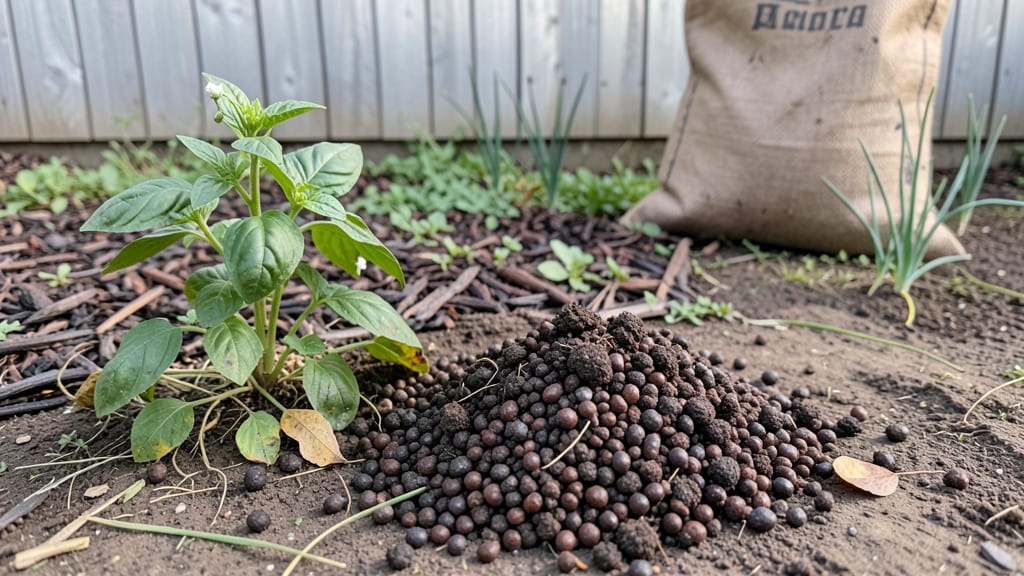
Using alpaca manure for garden creates a nutrient-dense fertilizer that boosts soil fertility and plant growth with its high nitrogen levels, while being gentler on plants than traditional livestock manure. Its fast decomposition makes it perfect for composting or direct soil use when properly aged.
Alpaca manure stands out because its nitrogen-to-phosphorus balance is nearly ideal for most plants, especially leafy greens and flowering crops. 🌱 Unlike cow or horse manure, it's less likely to burn plants when fresh and contains fewer weed seeds, making it a cleaner option for organic gardens.
I’ve seen gardeners swear by it for reviving depleted soil—just remember to age it for at least 6 months before using near edible plants to avoid pathogens.
For best results, mix aged alpaca manure into compost piles or spread it as a 1-2 inch layer over garden beds in spring. It’s particularly effective for vegetables like tomatoes and peppers, where nitrogen supports vigorous foliage growth.
The key is patience—fresh manure can overheat compost or introduce harmful bacteria, so proper aging is non-negotiable.
💡 In This Article
- How Alpaca Manure Boosts Soil Health
- Step-by-Step Guide to Using Alpaca Manure Safely
How alpaca manure boosts soil health
Alpaca manure is a powerhouse for soil health because of its near-perfect nutrient balance. It typically contains about 1.5-2.5% nitrogen (N), 0.5-1.0% phosphorus (P), and 0.5-1.0% potassium (K)—a ratio (around 3:1:1) that closely matches what most plants need, especially leafy greens and flowering crops.
This composition is gentler than cow manure (which can have 0.5-1.0% N but often higher phosphorus) or horse manure (which can be 1.0-2.0% N but more variable). The nitrogen in alpaca manure is primarily in organic form, meaning it releases slowly, feeding plants steadily without the risk of burning roots.
The real magic happens in the microbial world. Alpaca manure is packed with beneficial bacteria and fungi that break down organic matter, creating a thriving soil ecosystem.
Studies show it can increase soil microbial activity by up to 40% compared to untreated soil, which improves nutrient cycling and disease resistance in plants.
Unlike cow manure, which can introduce harmful pathogens like E. coli when fresh, alpaca manure has a naturally lower risk due to alpacas' herbivorous diet and their higher body temperature (around 99-102°F) that helps kill some pathogens during digestion.
Its pH is usually neutral to slightly alkaline (around 7.0-8.0), which is ideal for most garden plants and helps neutralize acidic soils.
Here’s how the nutrient breakdown translates to real-world benefits: The nitrogen supports lush foliage growth, phosphorus encourages strong root development and flowering, and potassium helps plants resist stress and diseases. For example, tomatoes grown with alpaca manure often produce 20-30% more fruit due to improved nutrient availability and soil structure.
The manure also improves soil aeration and water retention—its fibrous texture creates tiny air pockets that roots love, while its organic matter holds moisture better than synthetic fertilizers.
When comparing to other manures, alpaca stands out for its consistency and lower weed seed count. Cow manure can introduce 50-100+ weed seeds per pound, while alpaca manure typically has fewer than 10 seeds per pound due to alpacas' selective grazing habits.
Horse manure, on the other hand, can be too rich in nitrogen for some plants and may require more aging to avoid overheating compost piles. The gentle, balanced nature of alpaca manure makes it a favorite among organic gardeners for delicate crops like lettuce, strawberries, and herbs.
One often-overlooked benefit is how alpaca manure supports beneficial nematodes and earthworms. These soil-dwelling creatures thrive in its nutrient-rich environment, further improving soil structure and nutrient availability.
For instance, earthworm populations can increase by 30-50% in soils regularly amended with alpaca manure, which means better drainage and more efficient nutrient uptake for plants.
The manure’s slow-release properties also mean you won’t see the rapid nutrient spikes that can lead to algae blooms in compost tea or plant burns with other fertilizers.
The pH balance of alpaca manure is another game-changer. Most plants prefer a soil pH between 6.0 and 7.5, and alpaca manure’s neutral to slightly alkaline nature helps maintain this range. This is particularly useful for acid-loving plants like blueberries, which often need soil amendments to lower acidity.
The manure’s alkaline tendencies also help reduce harmful pathogens like Phytophthora, a fungus that causes root rot in many plants. 🌱