
Light Requirements
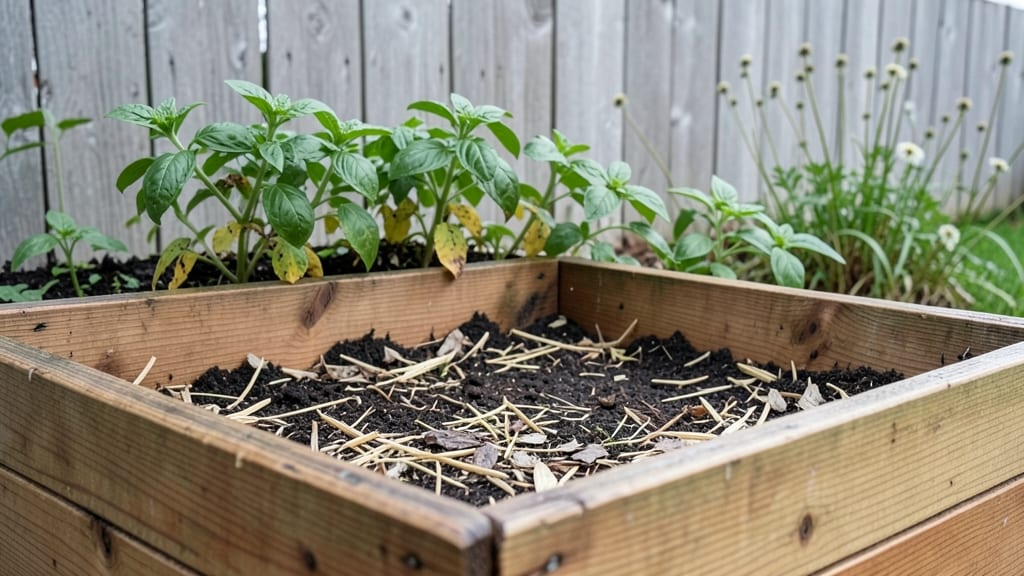
A 4 x 8 raised garden bed needs 32 cubic feet of soil for a 6-inch depth and 64 cubic feet for 12 inches. The depth you choose directly impacts drainage and root development, while your soil mix (like loam or compost blends) affects both cost and plant health. Don’t forget to add 10% extra for settling and amendments.
A 4 x 8 raised bed’s soil volume depends entirely on its height—think of it like filling a box with layers. 6-inch beds are ideal for shallow-rooted veggies like lettuce, while 12-inch beds support deeper roots like tomatoes. 🌱 The math is simple: multiply length × width × depth (in feet) to get cubic feet.
For example, a 4 x 8 x 1-foot bed needs 32 cubic feet, but if you go deeper to 1.5 feet, you’ll need 48 cubic feet. Many gardeners opt for 8-12 inches to balance drainage and moisture retention, though some heavy feeders may need even more.
💡 In This Article
- Calculating Soil Volume for Different Raised Bed Heights
- Best Soil Mixes and Cost-Saving Tips for Raised Beds
Calculating soil volume for different raised bed heights
Here's what's actually happening when you calculate soil volume: you're multiplying three dimensions—length × width × height—to determine cubic feet. For a standard 4-foot by 8-foot raised bed, the math starts with 4 × 8 = 32 square feet of base area.
Multiply that by 0.5 feet (6 inches), and you get 16 cubic feet—but wait! That's just one layer. Most gardeners use two layers (6 inches total) for proper root depth, doubling the volume to 32 cubic feet. 🔥
Depth matters because it directly affects plant health. Shallow beds (6 inches) work well for fast-growing, shallow-rooted plants like lettuce or herbs, but deeper beds (12+ inches) are essential for tomatoes, carrots, or potatoes.
The extra depth improves drainage, prevents soil compaction, and allows roots to access nutrients deeper in the profile. For example, a 12-inch bed doubles the volume to 64 cubic feet—that's like adding an extra layer of soil for your plants to thrive in.
What most people don't realize is how soil settles over time. When you first fill a bed, the soil appears fluffy and voluminous, but within weeks, it compacts to about 90% of its original volume. That's why experts recommend buying 10-20% extra soil to account for settling and amendments.
For a 6-inch bed, this means ordering 35-38 cubic feet instead of 32. The same rule applies to deeper beds—always round up to avoid running short mid-project.
Let's talk about custom bed sizes. If you're not working with a 4 x 8 bed, use this simple formula: Length (ft) × Width (ft) × Depth (ft) = Cubic Feet.
For instance, a 3 x 6-foot bed at 10 inches (0.83 ft) needs 14.94 cubic feet—round up to 16 cubic feet for settling. Pro tip: Convert inches to feet by dividing by 12 (e.g., 12 inches ÷ 12 = 1 foot).
This ensures you order the right amount without overpaying for excess.
Soil type also plays a role in volume needs. Loam (a balanced mix of sand, silt, and clay) compacts less than pure compost, so you might need slightly more of the latter.
A 50-50 blend of topsoil and compost is common, but heavy compost mixes (like those with 50% peat moss) can shrink more dramatically. Always check the moisture content—wet soil weighs more and settles faster than dry soil, so adjust your calculations if you're working with freshly delivered materials. ✨
For visual learners, imagine stacking two 4 x 8-foot plywood sheets (each 0.5 inches thick) to represent a 6-inch bed. Now multiply that volume by the weight of your chosen soil mix—typically 1,000-1,500 pounds per cubic yard.
This helps you gauge whether you need help lifting or transporting the soil. Lighter blends (with perlite or vermiculite) reduce weight but may require more volume to achieve the same depth.
The golden rule: Measure twice, order once. Skimping on soil depth or volume can stunt plant growth, while overestimating leads to wasted money. Start with your bed's dimensions, apply the formula, and add that 10% buffer—your plants (and your wallet) will thank you. 💫