
Planting
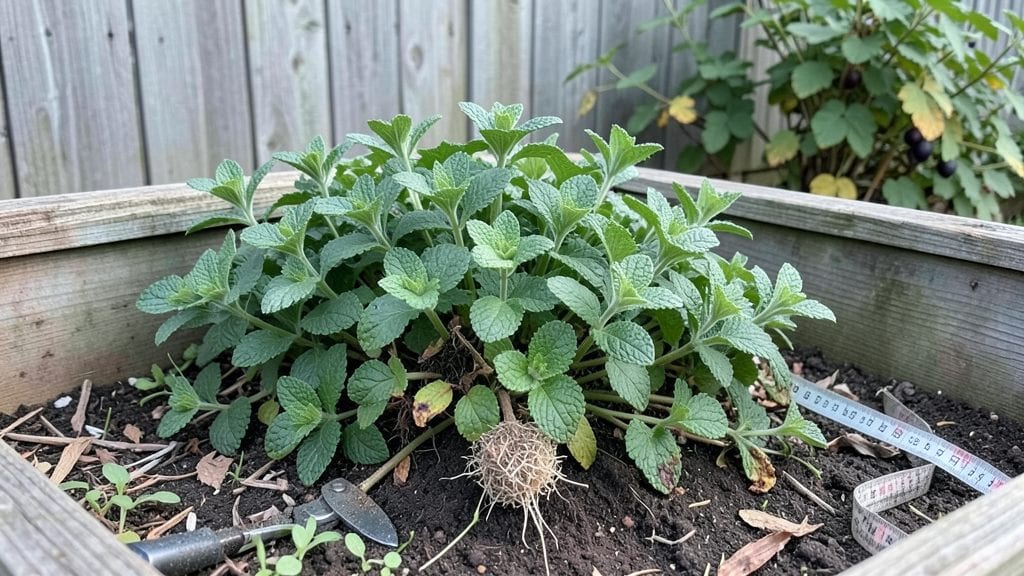
Making raised garden beds 12 inches deep is the sweet spot for most vegetables 🌱, but the right depth depends on what you’re growing—and what you’re willing to lift.
Struggling to decide how deep your raised garden beds should be? The right depth isn’t just about aesthetics—it’s the foundation of your plants’ success, especially for deep-rooted vegetables and perennials that thrive year after year.
Too shallow, and your carrots will bend or your tomatoes struggle to anchor. Too deep, and you’re wasting materials (and back strength) for crops like lettuce that barely need 6 inches of soil. The key is matching depth to your plants’ needs while keeping maintenance manageable.
In this guide, I’ll break down the science behind root zones, how to customize depth for your garden goals, and why 18 inches might be overkill for herbs but essential for asparagus. Let’s dig in.
Optimal raised garden bed depth by plant type: root zone science explained
When building raised garden beds, I’ve found that depth isn’t one-size-fits-all. Shallow-rooted herbs like basil need just 6-8 inches of soil, while deep-rooted crops like asparagus demand 18+ inches to thrive.
The key is matching your bed’s depth to the plants you’re growing, ensuring their root zones have room to expand without crowding. I’ve learned this the hard way—planting carrots in a 10-inch bed leads to stunted roots and poor harvests!
Most gardeners default to 12-inch raised beds, but this works best for moderate-rooted plants like tomatoes, peppers, and leafy greens. For perennials or deep-rooted vegetables, you’ll need to go deeper.
The good news? You can customize your beds to accommodate different plant types, even in the same garden layout. I’ll show you exactly how in this breakdown.
Root depth determines how much space your plants need to access water and nutrients. For example, strawberries only need 6-12 inches, but artichokes can grow roots up to 5 feet deep. Understanding these differences helps you avoid wasted space or cramped roots. I’ve included a plant-by-plant guide below to simplify the process.
Here’s the summary table breaking down depth requirements by plant type, so you can plan your raised beds like a pro:
For shallow-rooted plants like lettuce or radishes, a 6-12 inch bed is perfect. These crops mature quickly, so depth isn’t as critical as soil fertility. I’ve seen container gardens with just 6 inches of soil grow thriving greens—proof that depth depends on the plant’s needs, not just the bed’s size.
The trick is to layer your soil with compost and organic matter to maximize nutrient density in limited space.
When growing deep-rooted vegetables like carrots or parsnips, I recommend 18-24 inches of soil. These crops need room to develop their edible roots, and compacted soil can lead to forked or stunted harvests.
To achieve this, I often build up beds in layers, mixing topsoil, compost, and sand for loose, aerated soil. For asparagus, which can live for decades, a 24-inch bed is ideal to support its long taproot.
Don’t forget about perennials like fruit trees or berry bushes. These plants benefit from 36+ inches of soil to establish strong root systems. If your yard space is limited, consider raised planters or deep containers instead of traditional in-ground planting.
I’ve used 55-gallon barrels for dwarf fruit trees, filling them with 24 inches of custom soil mix for excellent results.
One common mistake I’ve seen is assuming deeper always means better. While extra depth helps some plants, it’s also wasteful and expensive for shallow-rooted crops. For example, strawberries thrive in 6-12 inch beds but don’t need the extra space.
Instead, focus on soil quality and drainage—a well-amended 12-inch bed will outperform a poorly maintained 24-inch bed for most herbs and greens.
Pro tip: If you’re unsure about depth, start with a 12-inch bed as your baseline. It’s versatile enough for most vegetables and
How to adjust raised bed depth for soil quality, drainage, and long-term growth
The depth of your raised garden beds directly impacts root growth, soil drainage, and even your harvest yields. While a 6-inch minimum works for shallow-rooted herbs, deeper beds—12-18 inches—are ideal for tomatoes, carrots, and asparagus.
But depth isn’t just about plant roots; it’s also about water retention, nutrient distribution, and balancing material costs with long-term benefits.
If your native soil drains poorly or lacks organic matter, deeper beds give roots room to escape compaction and access fresh compost layers. For perennial plants like rhubarb or fruit bushes, consider 24-inch depths to support years of growth.
However, going too deep can waste materials and create maintenance challenges. The key is customizing depth based on your plant types, climate, and garden goals.
- 6-12 inches is ideal for most vegetables (lettuce, radishes, green beans) and herbs. This depth balances root space and material costs while allowing easy access for weeding.
- 12-18 inches accommodates deep-rooted crops like tomatoes, carrots, and potatoes. Add compost layers at the bottom to maximize nutrient availability.
- 18-24 inches supports perennials and shrubs (asparagus, rhubarb, fruit trees). Use cinder blocks or deeper wood frames to avoid excessive material costs.
- Add drainage layers (gravel or coarse sand) at the bottom if your clay soil holds too much water. This prevents root rot in waterlogged conditions.
- Layer soil strategically: Place compost-rich topsoil (6-8 inches) over bulkier, less fertile soil (e.g., garden soil or leaf mold) to save costs while ensuring nutrient density.
- Consider height for accessibility. Knee-high beds (12-18 inches) reduce strain for bending and harvesting, especially for gardeners with mobility challenges.
- Extend the growing season with deeper beds. Insulated soil warms faster in spring and stays warmer in fall, allowing earlier plantings and later harvests.
For poor-draining soils, I recommend adding a 4-inch gravel layer at the bottom before filling with soil. This creates a drainage zone while keeping nutrient-rich topsoil where roots need it most.
Pair this with mulch on top to retain moisture and suppress weeds—straw or wood chips work beautifully for this.
If you’re working with limited materials, like cinder blocks or short wood frames, focus on soil quality over depth. Amend your existing soil with compost and aged manure to improve fertility.
For example, a 10-inch bed filled with 50% compost can outperform a 12-inch bed with poor soil. Test your soil’s pH and organic matter before committing to a design.
Pro tip: Use lasagna gardening to build depth over time. Layer cardboard, straw, and compost in your bed, then top with topsoil. This method breaks down into rich soil while keeping costs low. Over 2-3 seasons, you’ll have a deep, fertile bed without heavy lifting.
Finally, don’t forget to plan for long-term maintenance. Deeper beds require more water and nutrients to sustain plants. If you’re growing heavy feeders like corn or squash, consider side-dressing with compost mid-season.
With the right depth and care, your raised beds will become a year-round powerhouse for growth. 🌱