
Planting
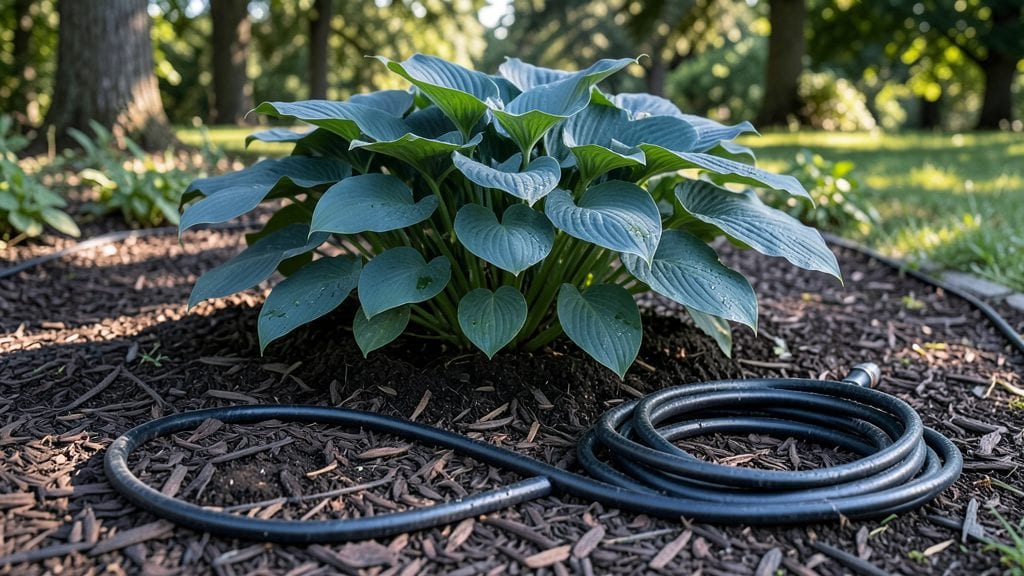
Zone 5 gardening thrives in climates where winter lows range from -20°F to -10°F (-28.9°C to -23.3°C), making it ideal for cold-tolerant perennials, frost-resistant annuals, and smart seasonal planning to protect plants from harsh freezes. Native species like coneflowers, black-eyed Susans, and evergreens flourish here, while proper mulching and wind protection boost survival rates.
This hardiness zone spans much of the northern U.S., including states like New York, Wisconsin, and Colorado, where gardeners must work with shorter growing seasons and unpredictable frost patterns. 🌱 The key to success lies in selecting plants with deep root systems or natural dormancy—think of hardy herbs like thyme or vegetables such as kale that can withstand light frosts.
I’ve found that layering straw mulch in late fall and using row covers in early spring can push harvests by 2-3 weeks, making a real difference for cold-sensitive crops.
What sets Zone 5 apart is its ability to grow a surprising variety of plants despite the chill. For example, peony bushes bloom reliably year after year, while Russian sage thrives in poor soil with minimal care.
The trick is balancing cold-hardy choices with your specific microclimate—whether you’re in a sheltered valley or a windy hilltop. Many gardeners here swear by cold frames to extend the season or plant garlic in fall for an early spring harvest.
💡 In This Article
- Understanding the USDA Plant Hardiness Zone 5 Map
- Top Cold-Hardy Plants for Zone 5 Gardens
Understanding the USDA plant hardiness Zone 5 map
Here's what's actually happening with Zone 5's temperature classification: The USDA uses a 30-year average of the coldest winter temperatures to define zones, with Zone 5 covering areas where the lowest temperatures typically fall between -20°F (-28.9°C) and -10°F (-23.3°C).
This range reflects the survival threshold for plants that can enter dormancy and protect their critical tissues.
The map divides these zones into 5a (-20°F to -15°F) and 5b (-15°F to -10°F) to account for finer climatic variations, which is crucial because even small temperature differences can determine whether a plant thrives or perishes.
The science behind this involves plant physiology: Most Zone 5 plants have evolved to survive by producing antifreeze proteins in their cells, which prevent ice crystals from forming and rupturing membranes. For example, peony roots can tolerate -30°F (-34.4°C) because they store carbohydrates that act as natural antifreeze.
Meanwhile, shallow-rooted annuals like pansies survive by growing low to the ground, where soil temperatures remain slightly warmer than air temperatures. 🌱 Understanding these adaptations helps explain why some plants labeled "Zone 5 hardy" can actually survive colder temperatures than the zone suggests.
Microclimates play a huge role in shifting these boundaries locally. A south-facing slope might be 5°F warmer than the official zone designation, while a low-lying area could be 3°F colder.
Urban heat islands—where pavement and buildings trap heat—can push temperatures up by 5-10°F in cities like Chicago, making Zone 5 gardens there more like Zone 6.
To verify your specific zone, use the interactive USDA map and input your exact latitude/longitude, then cross-check with local weather station data for 10+ years of frost records. This is how I determined my garden's actual zone was 5b, despite the general map showing 5a.
Seasonal frost patterns are another critical factor. Zone 5 typically experiences 150-200 frost-free days annually, with the last spring frost often occurring around May 10-20 and the first fall frost hitting September 20-October 10. These dates vary by 1-2 weeks depending on elevation—higher areas freeze earlier.
The key to success is planting cold-hardy crops like kale or spinach early in spring, then using row covers to extend the season by 2-4 weeks before the first frost.
I've found that tracking frost dates with a frost calendar (available from local Cooperative Extension offices) is more reliable than general zone maps.
What most people don't realize is how elevation affects these zones. For every 1,000 feet (305 meters) increase in altitude, temperatures drop by about 3.5°F (2°C). This means a mountain garden at 5,000 feet might function like Zone 3, while a valley garden could be Zone 6.
Similarly, large bodies of water create microclimates where winters are 5-10°F milder due to water's heat retention. These variations explain why some gardeners in Zone 5 can grow zone 6 plants successfully in sheltered microclimates, while others struggle with zone 4 plants in exposed areas.
To maximize your garden's potential, consider these practical adjustments: Plant early-blooming bulbs like daffodils in fall to take advantage of winter chill requirements, and choose multi-year perennials with deep root systems like coneflowers or black-eyed Susans, which can access moisture from lower soil layers where temperatures remain stable.
Layering 4-6 inches of straw mulch in late fall insulates roots from extreme cold, while windbreaks made of evergreens reduce winter desiccation. These techniques have helped my Zone 5 garden survive winters with -25°F (-31.7°C) temperatures without losing plants.