
Vegetables
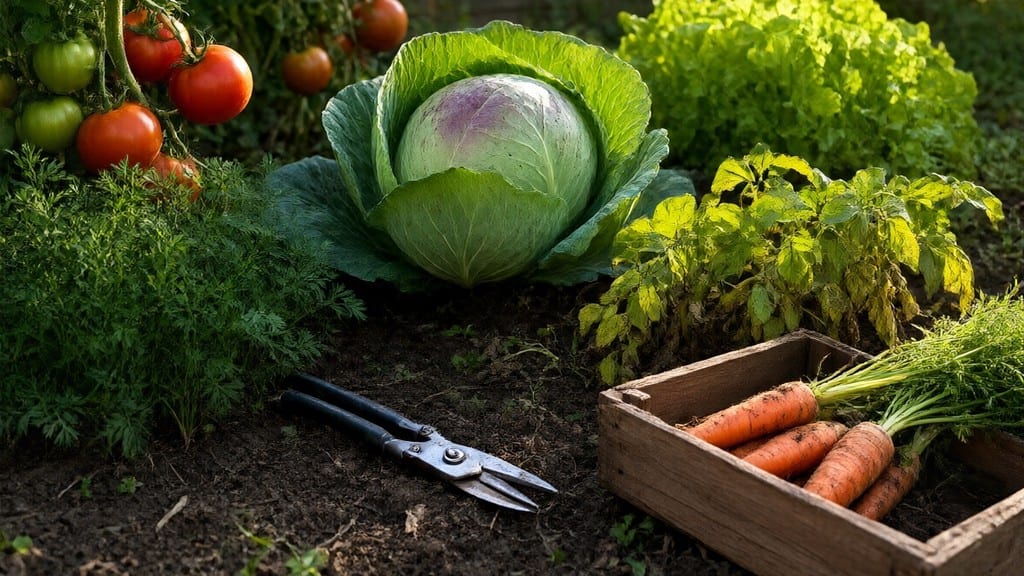
These gardens weren't just about growing food—they were a lifeline during a time when grocery stores struggled to keep shelves stocked. 🌱 With millions of men overseas and agricultural workers redirected to defense industries, families faced empty pantries and ration coupons that limited what they could buy.
The U.S. government even launched campaigns like "Food Will Win the War," encouraging citizens to dedicate even small backyards to cultivation, proving how personal efforts could directly impact national resilience.
What made victory gardens uniquely powerful was their dual purpose: they fed families while also reducing pressure on commercial farms to produce excess crops for export. Many urban areas transformed vacant lots into communal plots, showing how collective action could turn scarcity into opportunity.
The movement's legacy lives on today in urban farming and food sovereignty initiatives.
💡 In This Article
- WWII Food Shortages and Rationing Policies
- How to Start a Modern Victory Garden Today
WWII food shortages and rationing policies
The U.S. government implemented rationing policies in 1942, limiting access to staples like meat, sugar, and fats through coupon systems.
Families received monthly allowances—such as 1 pound of butter per person—forcing them to stretch resources. 🌟 This created immediate demand for homegrown alternatives, as victory gardens could produce fresh vegetables without competing for rationed goods.
The Office of War Information reported that by 1944, these gardens supplied 40% of the nation's vegetables, reducing commercial farm output pressure.
Shipping blockades further strained food supplies. The Battle of the Atlantic (1939-1945) disrupted merchant vessel traffic, causing delays and losses of up to 6 million tons of food annually.
The U.S. alone lost 3,500 ships to German U-boats by 1943, leaving ports with empty holds. 🚢 With imports like coffee and chocolate rationed, families turned to homegrown staples—potatoes, carrots, and cabbage—to fill nutritional gaps.
The government even distributed 9 million seed packets to citizens in 1943, ensuring access to basic crops.
Labor shortages worsened the crisis. 6 million agricultural workers were drafted or redirected to defense industries by 1944, leaving farms understaffed. 🌾 Women and children filled the gap, with school programs teaching children how to grow victory vegetables like radishes (ready in 3 weeks) and beans (harvestable in 60 days).
The slogan "Food Will Win the War" wasn’t just propaganda—it reflected the reality that every homegrown tomato saved 1/3 pound of canned goods for troops.
Urban areas became hotspots for innovation. Cities like Detroit and Chicago converted vacant lots into communal gardens, with some plots yielding 20 tons of produce annually. 🏙️ The success of these efforts proved that even small spaces could contribute significantly.
For example, a 10x20-foot backyard could produce 2,000 pounds of potatoes, enough to feed a family for months. This grassroots movement demonstrated how decentralized food production could stabilize economies during crises.
Rationing extended beyond food to household items. Gasoline, tires, and metal were also restricted, limiting families' ability to shop far from home. 🛒 Victory gardens solved this by bringing fresh produce within walking distance.
The government even encouraged container gardening for those without yards, using everything from milk cans to old bathtubs as planters. This adaptability ensured that even urban dwellers could participate in the effort.
What’s fascinating is how these policies created a feedback loop: the more families grew, the less pressure was placed on commercial farms, which could then prioritize exporting canned meats and dairy to Allied troops. 💡 By 1945, victory gardens covered 18 million acres—about 40% of U.S. vegetable production.
The model became so effective that it influenced post-war agricultural policies and even modern urban farming movements.