
Planting
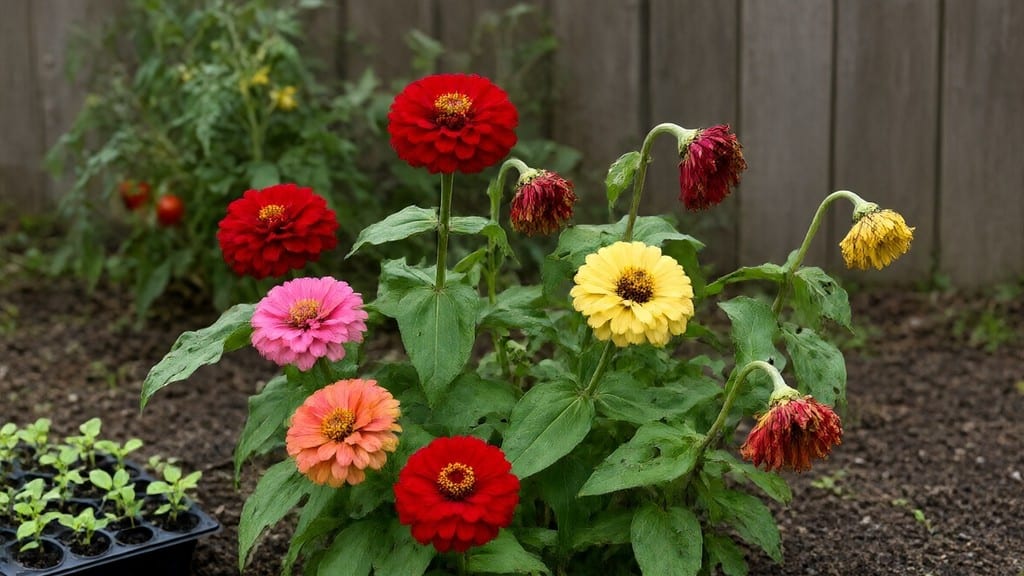
Planting a garden in West Virginia depends on your hardiness zone and crop type: start cool-season veggies like lettuce and peas in early spring (March-April) or late summer (August-September), while warm-season plants like tomatoes and peppers need soil temperatures above 60°F (late April-June). Check last frost dates—typically mid-April in the south and early May in the north—to guide timing for frost-sensitive plants.
West Virginia’s varied climate means your planting schedule should account for both elevation and regional differences—Charleston’s milder lowlands might see frost-free soil by early April, while higher elevations near Morgantown could wait until late May. 🌱 I’ve found that local gardening groups often share firsthand frost data, which can be more accurate than general zone guides, especially for frost-sensitive crops like basil or eggplants that need consistent warmth.
For cool-season crops, don’t overlook late summer plantings—spinach and kale thrive in WV’s mild autumns, often producing sweeter harvests before winter sets in.
Warm-season plants, however, demand patience: rushing them into cold soil can stunt growth, so I always test soil temps with a simple thermometer before committing to transplants like peppers or melons.
💡 In This Article
- West Virginia Frost Dates and Hardiness Zones
- Best WV Planting Calendar by Crop Type
West Virginia frost dates and hardiness zones
West Virginia spans USDA hardiness zones 5b through 7a, meaning temperatures can vary dramatically between regions. The state's mountainous terrain creates microclimates where Charleston's river valleys might experience last spring frosts by mid-April, while higher elevations near Lewisburg could see frost lingering until early May.
These variations occur because cold air settles in low-lying areas, while higher elevations often warm up faster during the day. 🌿
The average last frost date serves as your critical benchmark: most of southern WV (zones 6b-7a) typically reaches frost-free conditions by April 15, while northern areas (zones 5b-6a) often wait until May 1 or later.
This two-week window explains why gardeners in Putnam County can plant tomatoes three weeks earlier than those in Pocahontas County. The Old Farmer's Almanac provides county-specific frost date maps that account for these regional differences.
Soil temperature matters just as much as air temperature for warm-season crops. Tomatoes and peppers won't thrive until soil reaches 60°F consistently, which usually occurs 2-3 weeks after the last frost date. I recommend using a soil thermometer to verify—cold soil can stunt growth even if air temperatures appear warm.
For cool-season crops, you can start seeds indoors 6-8 weeks before your expected last frost date to give them a head start.
Microclimates create opportunities for extended growing seasons. Urban areas like Charleston benefit from the "heat island" effect, where pavement and buildings create slightly warmer conditions. Meanwhile, gardeners in the Allegheny Mountains can use cold frames to start cool-season crops 4-6 weeks earlier than the general frost date suggests.
These local variations mean your neighbor's planting schedule might differ from yours by 3-4 weeks depending on elevation and exposure.
For fall planting, aim to sow cool-season crops 90-120 days before your first expected frost (typically October 15-November 1 in most of WV). The key is timing: plant too early and you'll get bitter greens; too late and crops won't mature before winter.
I've found that using row covers can extend this window by 2-3 weeks, protecting plants from light frosts down to 25°F. This technique works particularly well for spinach and kale in WV's mild autumns.
Perennial plants offer flexibility since they establish roots over multiple years. Herbs like rosemary and thyme thrive in WV's zones 6a-7a and can often survive winter with proper mulching.
For annuals, the 10-day rule applies: wait until nighttime temperatures consistently stay above 50°F before planting frost-sensitive varieties like basil or okra. This simple observation can save your plants from unexpected late frosts.
Remember that these are averages—actual frost dates can vary by 1-2 weeks each year. The most reliable method is to track your own local data for 3-5 years to establish your specific planting windows.
Many WV gardening clubs maintain community frost date records that prove more accurate than national averages. 🌱