
Fertilization
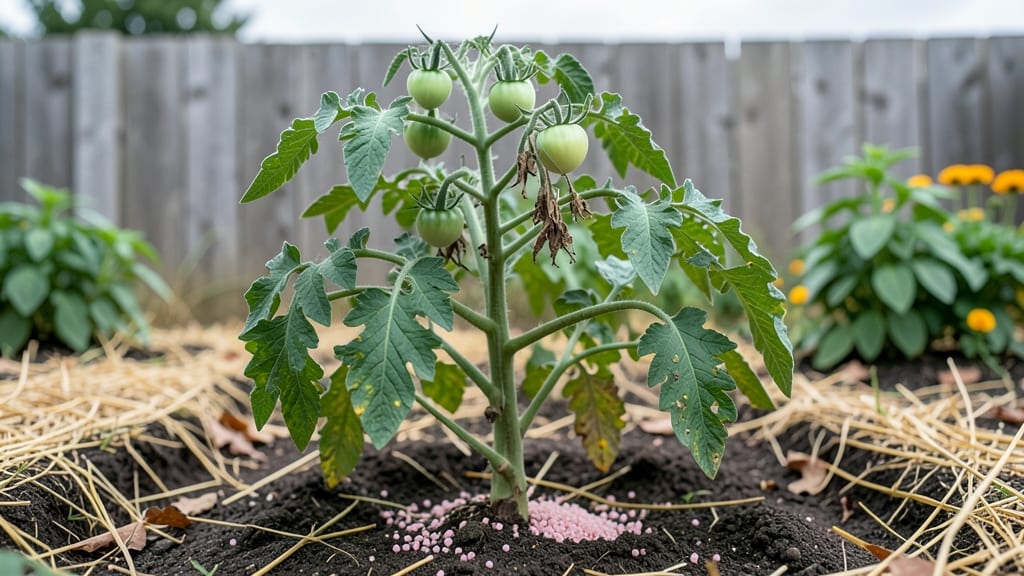
Fertilizing your garden at the right time boosts growth and saves money—spring and early fall are the sweet spots for most plants in USDA Zone 6.
Timing your garden fertilization can mean the difference between thriving plants and wasted nutrients—so knowing when to feed your soil is just as important as what you use. Skip the wrong window, and you risk burning roots or flushing nutrients before plants can use them.
For spring gardens, feed right after the last frost (around April 15 in Zone 6) when new shoots emerge. In fall, a light dose in August helps cool-season crops like kale and carrots store energy for winter.
Below, I’ll break down the exact schedule for vegetables, flowers, and lawns—plus how to spot when your 🌱 garden is hungry (or overfed). No more guesswork!
Seasonal fertilization schedule for year-round plant growth
Fertilizing your garden at the right time ensures your plants get the nutrients they need when they need them most. Spring kicks off active growth, summer demands steady feeding, and fall prepares plants for dormancy.
Even winter has subtle opportunities depending on your climate. Timing isn't one-size-fits-all—it varies by plant type, region, and seasonal patterns.
For example, cool-season crops like lettuce and peas thrive with early spring fertilization, while warm-season vegetables such as tomatoes and peppers need feeding after the last frost. Lawns have different needs than flowers, and perennials often require a different approach than annuals.
Understanding these distinctions helps you avoid wasted nutrients or over-fertilization.
Below is a clear breakdown of the best fertilization windows for each season, tailored for vegetables, flowers, and lawns. Whether you're in a temperate or tropical climate, this schedule ensures your garden stays productive year-round.
🌱
In spring, focus on early-season fertilization to jumpstart growth. For cool climates, apply a balanced fertilizer (like 10-10-10) when you plant cool-season crops such as broccoli or spinach. In warm climates, wait until after the last frost to fertilize warm-season plants like peppers or cucumbers.
During summer, your garden is in its most active phase, so feed plants every 4-6 weeks.
Use a slow-release fertilizer to avoid nutrient spikes that can burn roots. Vegetables like tomatoes and peppers benefit from a high-phosphorus boost when they start flowering. Lawns also need regular feeding—apply a lawn-specific fertilizer every 6-8 weeks.
As fall approaches, shift to a low-nitrogen fertilizer to help plants store nutrients for winter. Cool-season crops like kale and carrots will appreciate a light feeding in early fall, while perennials benefit from a final dose before dormancy.
Avoid fertilizing too late in the season, as new growth can be damaged by early frosts.
In winter, most gardens enter dormancy, but tropical climates offer exceptions. If you're in a warm zone, focus on evergreen plants and citrus trees, which may need light feeding. For everyone else, skip fertilization entirely and focus on soil health—adding compost or mulch instead.
Pro tip: Always test your soil before fertilizing. A simple pH test (aim for 6.0-7.0) and nutrient analysis will tell you exactly what your garden needs. Over-fertilizing is just as harmful as under-fertilizing, so follow the label and adjust based on plant responses.
🌿
How to adjust fertilization timing for different plant types
Not all plants thrive on the same fertilization schedule—what works for fast-growing lettuce can burn long-season tomatoes. Understanding your plants' unique needs helps you avoid wasted nutrients or stunted growth.
For example, annuals like marigolds need frequent feeding, while perennials like lavender prefer minimal intervention. Even your lawn has different timing rules than vegetable beds.
One of the biggest mistakes I see is treating all garden plants the same. Vegetables like radishes grow so quickly they need light, frequent feedings, while fruit trees establish roots for years before producing.
The key is matching fertilization to each plant's growth cycle and nutrient demands. Let's break down the best times to fertilize based on plant type, plus how to spot when you're overdoing it.
- 1. Fast-growing vegetables (lettuce, radishes, spinach): Fertilize every 2-3 weeks with a balanced fertilizer (10-10-10) once they've sprouted. These plants need quick nutrient uptake to reach harvest in 30-60 days.
- 2. Long-season crops (tomatoes, peppers, squash): Apply slow-release fertilizer at planting, then mid-season (6-8 weeks later) when flowers appear. Avoid late-summer feeding—it encourages leafy growth over fruit.
- 3. Perennials (roses, herbs, fruit trees): Fertilize early spring (before new growth) and late summer (for root strengthening). Use low-nitrogen formulas (5-10-10) to prevent excessive foliage at the expense of blooms or fruit.
- 4. Annual flowers (petunias, zinnias, impatiens): Feed every 4-6 weeks with a phosphorus-rich fertilizer (5-10-5) to promote continuous blooming. Start when seedlings are 2-3 inches tall.
- 5. Lawns (cool-season vs. warm-season grasses): Cool-season grasses (fescue, bluegrass) need early spring and fall feedings, while warm-season grasses (Bermuda, Zoysia) thrive with late spring to early summer fertilization. Always water deeply after to activate nutrients.
Signs you're over-fertilizing include yellowing leaves, leaf burn (brown edges), or excessive top growth with few flowers/fruit. For vegetables, this often shows as bitter-tasting produce or stunted growth.
If you see these symptoms, flush the soil with extra water and hold off on feeding for 4-6 weeks.
For perennials, I recommend a soil test every 2-3 years to check nutrient levels. Many perennials, like lavender or orchids, actually prefer lean soil and thrive with minimal fertilization.
Over time, I've learned to observe my plants—if they're lush but not blooming, they're getting too much nitrogen.
Adjusting fertilization timing based on plant type saves money and prevents plant stress. Start with a balanced fertilizer, then fine-tune based on growth responses.
For example, my tomato plants always respond well to a mid-season calcium boost (like crushed eggshells) to prevent blossom-end rot—a trick I picked up after years of trial and error.
🌱