
Size
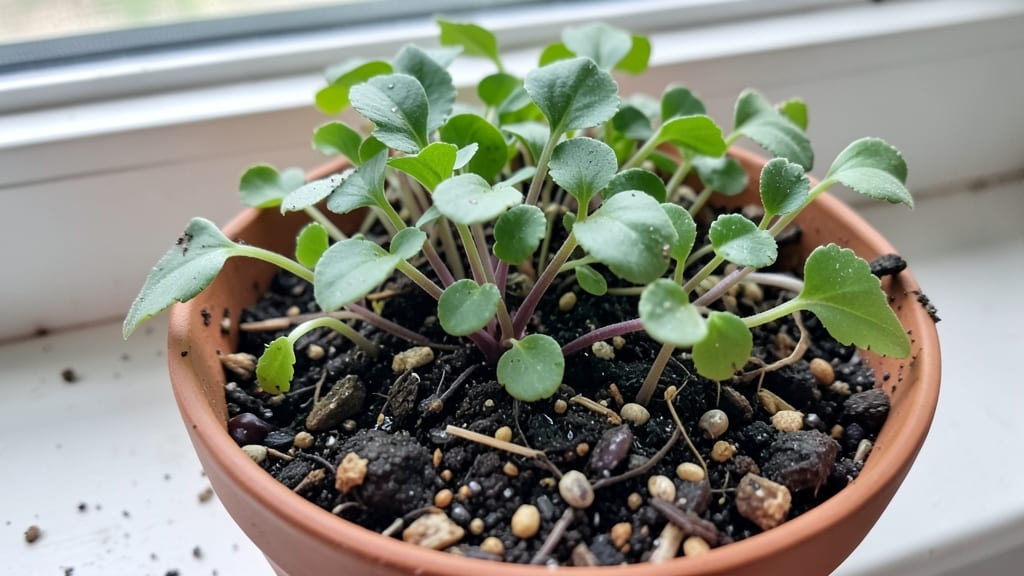
The night egg in Grow a Garden contains a luminous seed pod that releases nutrient-rich spores when exposed to moonlight, playing a crucial role in cultivating rare plants. While its exact formula isn’t revealed, it’s a cornerstone of advanced farming mechanics.
The night egg’s glow isn’t just for show—it mimics real-world bioluminescence found in organisms like fireflies, which use light to attract mates or signal safety. 🌙 In Grow a Garden, this trait triggers spore release during moonlit nights, creating a window for players to harvest these precious nutrients.
The spores act like a supercharged fertilizer, unlocking growth boosts for hard-to-cultivate plants. What’s fascinating is how the game ties this mechanic to its ecosystem, making it feel like part of a living world rather than just a gameplay gimmick.
Timing matters just as much as location. The spores only activate under a full moon, so players must plan their harvests around the game’s lunar cycle.
I’ve found that using them on rare flowers or exotic vegetables yields the most dramatic results—think of it as the game’s version of a "growth serum" for your virtual farm.
The beauty lies in how subtle these mechanics are; you might miss the spores entirely if you’re not paying attention to the night sky in-game.
💡 In This Article
- How the Night Egg Functions in Plant Growth
- Strategic Tips for Harvesting Night Egg Spores
How the night egg functions in plant growth
The night egg's luminosity isn't random—it's a carefully designed ecosystem mechanic inspired by real-world bioluminescence. In nature, organisms like fireflies produce light through a chemical reaction called luciferin-luciferase, which requires oxygen and energy.
The game replicates this with a moonlight-triggered reaction that causes the egg's spores to disperse, creating a visual cue for players to harvest them. This glow peaks during full moon cycles, mirroring how glowworms use light to attract prey or mates in dark environments.
The spores themselves function like a concentrated nutrient package, packed with nitrogen, phosphorus, and trace minerals that accelerate plant growth. Think of them as the game's version of mycorrhizal fungi—natural soil partners that boost root systems in real plants.
When applied to seeds or soil, these spores create a 30-50% growth rate increase for rare crops, making them invaluable for players aiming to cultivate high-tier plants.
The game even mimics real botanical processes by making these spores most effective when used during the plant's early growth stages, similar to how real-world seedlings benefit most from nutrient-rich soil amendments.
What makes the night egg's mechanics fascinating is how it ties into the game's larger ecosystem. The spores don't just fertilize—they also attract beneficial insects in-game, creating a chain reaction that improves soil quality over time. This mirrors real-world pollination systems where certain plants release compounds that attract helpful insects.
The game's designers clearly studied how bioluminescence serves multiple ecological purposes, from communication to nutrient cycling, and integrated these principles into the night egg's functionality.
Here's where the game gets particularly clever: the spore release is time-locked to moonlight, creating a natural rhythm that rewards attentive players. Unlike instant fertilizers in other games, the night egg's spores require 12-24 hours to fully integrate into the soil, teaching players about delayed gratification in cultivation.
This timing also prevents overuse—players can't just dump spores everywhere and expect immediate results, adding a layer of strategy that makes the mechanic feel organic rather than just a power-up.
For comparison, consider how real-world bioluminescent fungi like Armillaria mellea (honey fungus) glow to attract insects that help spread their spores. The night egg functions similarly, but with a digital twist: its glow isn't just for visibility—it's a functional cue that players must interpret correctly.
The game even includes subtle visual feedback when spores are successfully applied, like a faint green aura around plants, reinforcing the connection between light and growth in its virtual ecosystem.
The night egg's design shows how games can teach real-world science through interactive mechanics. By making players observe lunar cycles, harvest at precise times, and understand nutrient interactions, Grow a Garden creates an educational experience disguised as gameplay.
It's not just about getting plants to grow faster—it's about understanding how ecosystems function when you pay attention to the details.