
Size
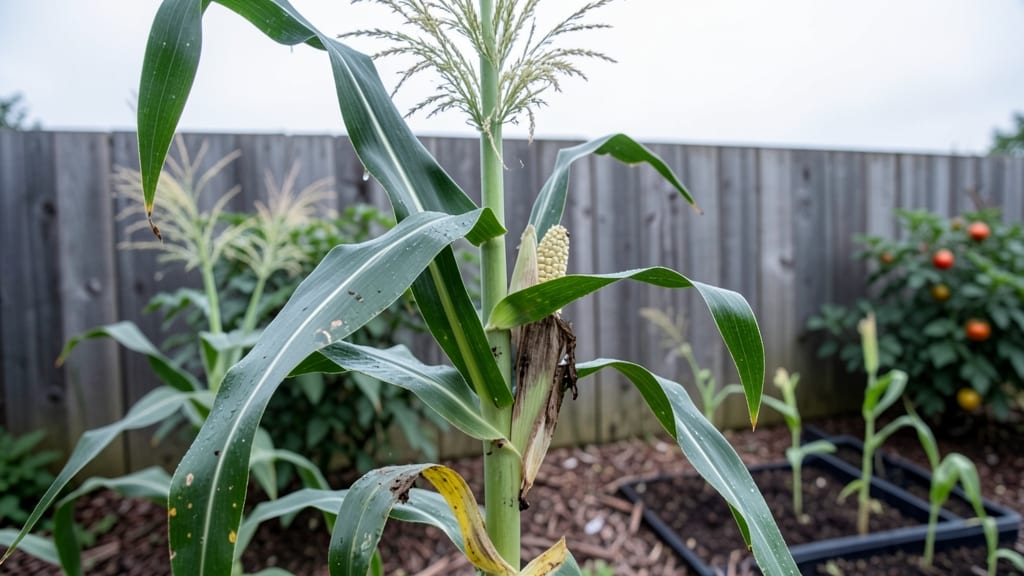
Growing a garden from an acorn means planting the seeds for a future privacy screen that outlasts any fence. 🌿 The process starts with finding the right acorn—from a healthy oak—and ends with a towering tree that provides shade, windbreaks, and natural beauty for decades.
This isn't about instant results; it's about patience and watching nature do its work.
The first step is stratification, which mimics winter conditions to trick the acorn into germinating. Fill a jar with moist sand, add your acorns, and refrigerate them for about 90 days.
You'll need well-draining soil, a sunny spot, and a little time—think years, not seasons. The payoff? A sturdy, low-maintenance tree that grows taller than any store-bought privacy screen.
Once sprouted, plant your acorn in a pot or directly in the ground, keeping the soil moist but not soggy. Young oak seedlings grow slowly at first, but with consistent care, they'll develop into strong saplings.
By year five, you'll see real growth—branches filling out, leaves turning vibrant green. This isn't just gardening; it's planting a legacy.
Common challenges include mold on acorns or slow growth, but both are normal. Oak trees are tough—they thrive on neglect once established. With the right conditions, your acorn-grown tree will outpace any other privacy solution, standing strong for generations. Here's how to get started right.
📚 In This Guide
- What you need
- Instructions
- Tips and common mistakes
- Wrapping up and next steps
What you need
- ● Acorns: 50–100 fresh, healthy acorns (preferably from oak trees like Quercus robur or Quercus alba).
- ● Growing medium: 1 part peat moss or coconut coir
- ● 1 part perlite or vermiculite (for drainage)
- ○ 1 part sand (optional, for grit)
- ● Containers: 6–12 small pots (4–6 inches deep) with drainage holes, or a shallow tray for sowing.
- ● Tools: Pruning shears (for trimming mature saplings)
- ● Garden trowel (for transplanting)
- ● Spray bottle (for gentle watering)
- ● Sunlight: A location with at least 6 hours of direct sunlight daily (oak trees thrive in full sun!).
- ● Space: Plan for 10–15 feet of mature height per tree—space saplings 10–15 feet apart for a dense screen.
- ● Patience: Acorns take 3–5 years to grow into a privacy screen, but the wait is worth it!
- ● Mulch (shredded bark or straw) to retain moisture and suppress weeds.
- ● Slow-release fertilizer (balanced 10-10-10 or oak-specific blend).
- ● Tree stakes and twine (for young saplings in windy areas).
- ● Soil test kit (to check pH—oaks prefer slightly acidic to neutral soil (pH 6.0–7.5)).
How to create a year-round acorn privacy screen
Turn those fallen acorns into a lush, natural privacy barrier that thrives in every season.
🌱 Step 1: Collect and Prepare Acorn Seeds
Gather acorns from mature oak trees in late fall, when they're fresh but not rotting. Look for plump, intact acorns with no cracks or holes—these are your best bets for germination. I like to collect them from the ground under healthy trees, avoiding any with visible insect damage. Store them in a cool, dry place until you're ready to plant.
Before planting, soak the acorns in lukewarm water for 24 hours to soften the hard shell and kickstart germination. This step is crucial—acorns have one of the hardest seed coats in nature, and without soaking, many will never sprout. After soaking, drain the water and let them dry slightly so they don’t mold in the soil.
🪴 Step 2: Plant Acorns in Nursery Pots
Fill 4-inch nursery pots with a mix of 50% potting soil and 50% perlite to ensure good drainage—acorns rot easily if they sit in soggy soil. Plant 1-2 acorns per pot, burying them 1 inch deep in the soil. Press the soil gently around them to secure them without compacting too tightly.
Water lightly until the soil feels evenly moist but not saturated. Place the pots in a warm, sunny spot where temperatures stay between 65-75°F. Acorns can take 4-8 weeks to germinate, so patience is key. Keep the soil consistently moist during this time—let it dry out slightly between waterings, but never let it become bone-dry.
☀️ Step 3: Transplant Seedlings into the Ground
Once seedlings reach 6-12 inches tall and develop 3-4 true leaves, they’re ready for their permanent home. Choose a location with partial shade to full sun—young acorns thrive in dappled light but will tolerate full sun once established. Dig holes twice as wide as the root ball but only as deep as the container.
Space seedlings 10-15 feet apart to give them room to grow into a dense screen. Plant them on a cool, cloudy day to reduce transplant shock. Water deeply after planting to settle the soil and encourage root growth. Mulch around the base with 2-3 inches of wood chips to retain moisture and suppress weeds.
🌿 Step 4: Maintain Growth for a Thick Privacy Screen
Water young acorns once a week during dry spells, aiming for 1 inch of water per week. Once established, they’ll need less frequent watering—mature oaks are incredibly drought-tolerant. Fertilize lightly in early spring with a balanced 10-10-10 fertilizer to encourage strong growth, but avoid overdoing it—too much nitrogen makes leaves soft and attracts pests.
Prune in late winter to shape the screen and remove any dead or crossing branches. This keeps the barrier neat and encourages bushier growth. Over time, your acorns will grow into a 15-20 foot tall natural wall, providing year-round privacy without the need for fences or artificial barriers.
Tips & tricks for perfect acorn privacy screens
Here's what nobody tells you about growing a thriving acorn privacy barrier that actually works year-round.
The Soaking Secret: That 24-hour soak isn't just recommended—it's non-negotiable for breaking acorns' tough shells. I learned this the hard way after trying to plant uns soaked acorns that never sprouted. Use lukewarm water (not hot) and change it after 12 hours to prevent mold. The goal is to soften the shell without cooking the seed inside.
Germination Conditions: Those 65-75°F temperatures in Step 2 are critical for consistent germination. If your home is cooler, place pots near a sunny window or use a seedling heat mat. Watch for tiny white roots breaking through the shell—that's your cue germination has started! Too much heat above 80°F can actually inhibit sprouting.
Transplant Timing: Wait until seedlings have 3-4 true leaves before transplanting—they need that foliage to fuel root growth. I always transplant on cloudy days to avoid stressing the delicate young plants. The 10-15 foot spacing might seem generous, but it's essential for creating that dense screen you're after.
Long-Term Maintenance: Once established, your oak screen will need minimal watering—just 1 inch per week during dry spells. The key is mulching with 2-3 inches of wood chips, which locks in moisture and creates the perfect microclimate for root growth. This is how you get that lush, natural barrier that thrives through all seasons.
Pro Tips for Acorn Grow A Garden
- Here's what nobody tells you about growing a thriving acorn privacy barrier that actually works year-round.
- The Soaking Secret: That 24-hour soak isn't just recommended—it's non-negotiable for breaking acorns' tough shells.
- Germination Conditions: Those 65-75°F temperatures in Step 2 are critical for consistent germination.
Frequently asked questions
Got questions about growing a privacy screen with acorns? You're not alone!
Here are some of the most common concerns—and answers—to help you get started on your year-round natural barrier.
Can I grow a privacy screen from acorns I find in my yard?
Yes! Many oak species (like white, red, or pin oak) produce acorns that grow into fast-growing trees. Just ensure they’re fresh (plump, no cracks) and from a healthy tree. Avoid acorns from diseased or sprayed trees to ensure strong seedlings. Pro tip: Collect acorns in fall and plant them immediately or store them in a damp paper towel in the fridge until spring.
How long does it take for acorn-grown trees to create a privacy screen?
Patience is key! Acorn-grown oaks typically take 5–10 years to reach 15–20 feet tall—ideal for a dense screen. For faster results, plant saplings (2–3 years old) instead of acorns. Space seedlings 8–12 feet apart for optimal growth and sunlight filtering. Fun fact: Some oak varieties, like bur oak, grow slightly faster, reducing wait time!
What’s the best way to plant acorns for a privacy screen?
Start by soaking acorns in water for 24 hours to soften the shell. Plant them 1 inch deep in well-draining soil, 6 inches apart in a trench. Keep the soil moist (not soggy) and place them in a sunny spot. Transplant seedlings to their final location in spring once they’re 6–12 inches tall. Pro tip: Use a mix of sand and peat moss for faster germination!
Will squirrels or animals eat my acorns before they sprout?
Yes! Squirrels, raccoons, and birds love acorns. To protect them, plant acorns in wire mesh cages (buried slightly) or use chicken wire until sprouts appear. Once seedlings are 4–6 inches tall, they’re less appealing to critters. Bonus: Scatter a few acorns far from your garden as a distraction!
What if my acorns don’t sprout? Troubleshooting tips?
Don’t worry—many factors affect germination. If acorns fail to sprout after 3–4 weeks, try:
- Stratification: Place acorns in a damp paper towel in the fridge for 60–90 days to mimic winter.
- Freshness: Older acorns (over 6 months) may not sprout—collect new ones!
- Moisture: Keep soil consistently damp but not waterlogged.
- Temperature: Ideal germination temp is 60–70°F.
If all else fails, opt for nursery-bought oak saplings for guaranteed growth.
Wrapping up and next steps
Growing a lush, year-round privacy screen from acorns is a rewarding project that blends nature’s beauty with practicality. 🌳 With the right oak species, patience, and care, you’ll transform your outdoor space into a serene, natural haven—all while supporting local ecosystems.
Whether you’re a beginner or a seasoned gardener, every small step brings you closer to that dream green barrier.
Ready to take the next step? Start by planting your first acorn this fall or spring, and watch your garden grow—literally! For extra guidance, check out local oak tree resources or join gardening communities to share your progress.
Your future privacy screen (and future generations of oaks!) will thank you. 🌱