
Tools
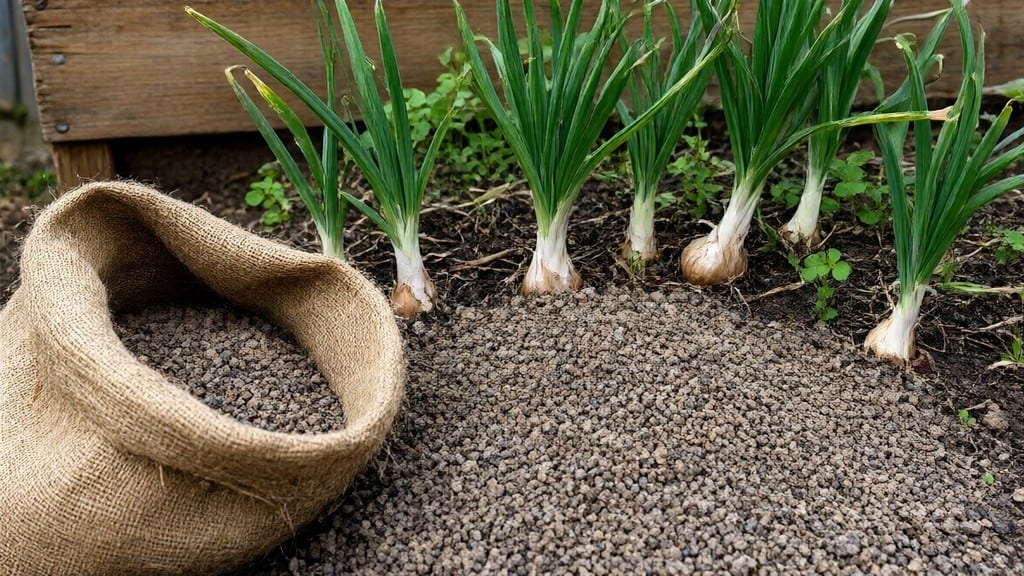
Putting organic mulch, cardboard, or landscape fabric under raised garden beds improves drainage, suppresses weeds, and prevents soil erosion while supporting root growth and healthy plant development.
The foundation you choose for your raised beds directly impacts plant health and soil quality over time.
I’ve found that organic options like straw or wood chips break down naturally, enriching the soil with nutrients as they decompose, while synthetic fabrics offer long-term weed control but may require removal when they degrade. 🌱 Climate plays a huge role—dry areas benefit from moisture-retaining mulch, whereas wet climates need materials that promote drainage to prevent root rot.
For beginners, I recommend starting with cardboard—it’s free, biodegradable, and blocks weeds effectively when layered properly. However, avoid glossy or colored cardboard, as inks can leach harmful chemicals into the soil. If you’re prioritizing sustainability, composted leaves or grass clippings are excellent choices, though they may need replenishing annually.
💡 In This Article
- How to Choose the Right Under-Bed Material
- Best Organic and Non-Organic Options for Raised Beds
How to choose the right under-bed material
The foundation layer in your raised bed acts like a filter system for water, air, and nutrients. Here's what's actually happening: each material affects soil aeration differently. For example, cardboard creates a temporary barrier that blocks weeds but allows moisture to seep through gradually.
Its cellulose fibers break down over 3-6 months, adding organic matter to the soil. In contrast, landscape fabric with 0.5mm holes lets water through while physically preventing weed seeds from sprouting—ideal for areas with aggressive weed pressure.
Climate dictates which materials perform best. In dry regions, organic mulches like straw or wood chips retain 20-30% more moisture in the soil compared to bare ground, thanks to their ability to shade the soil surface. The texture of straw—lightweight and airy—also improves aeration around shallow roots.
Meanwhile, in wet climates, coarse materials like gravel (with 1/4-inch particles) create drainage channels that prevent waterlogging, which can cause root rot in vegetables like tomatoes or peppers.
What most people don't realize is how plant types influence material selection. Heavy feeders like corn or squash benefit from nutrient-rich options such as composted leaves or grass clippings, which decompose into nitrogen-rich humus.
For delicate plants like strawberries or herbs, a stable fabric layer prevents soil compaction from foot traffic while maintaining consistent moisture levels. The key factor here is root depth—shallow-rooted plants need fine, decomposable materials, while deep-rooted perennials tolerate more stable barriers.
Consider these trade-offs when choosing: organic materials decompose and enrich soil but require annual replenishment, while synthetic fabrics last 5-10 years but don't contribute to soil fertility.
For example, black plastic mulch suppresses weeds effectively but can raise soil temperatures by 10-15°F in summer—great for heat-loving crops like peppers but potentially stressful for cool-season greens. The science behind this involves how each material interacts with sunlight, water, and microbial activity in the soil.
Here's a practical tip: layer materials strategically. Start with a 2-inch layer of coarse wood chips at the bottom for drainage, then add 1-inch of compost, followed by your chosen under-bed material. This creates a gradient that balances aeration and moisture retention.
For example, in my Zone 6 garden, I use cardboard topped with pine needles—the needles provide acidity for blueberries while the cardboard blocks weeds without smothering roots.
One advanced consideration is soil pH. Materials like cedar mulch naturally acidify soil over time (pH drops by 0.5-1.0 units annually), making it perfect for acid-loving plants like azaleas or potatoes.
Conversely, hardwood mulch remains neutral, ideal for vegetables that prefer pH 6.0-7.0. Always test your soil before committing to a material—this simple step can prevent costly mistakes with pH-sensitive crops.
Remember this: the best material depends on your specific growing conditions. Start with your climate zone, plant needs, and maintenance preferences, then layer accordingly. The right foundation will save you time weeding and give your plants the strong start they deserve. 🌱