
Planting
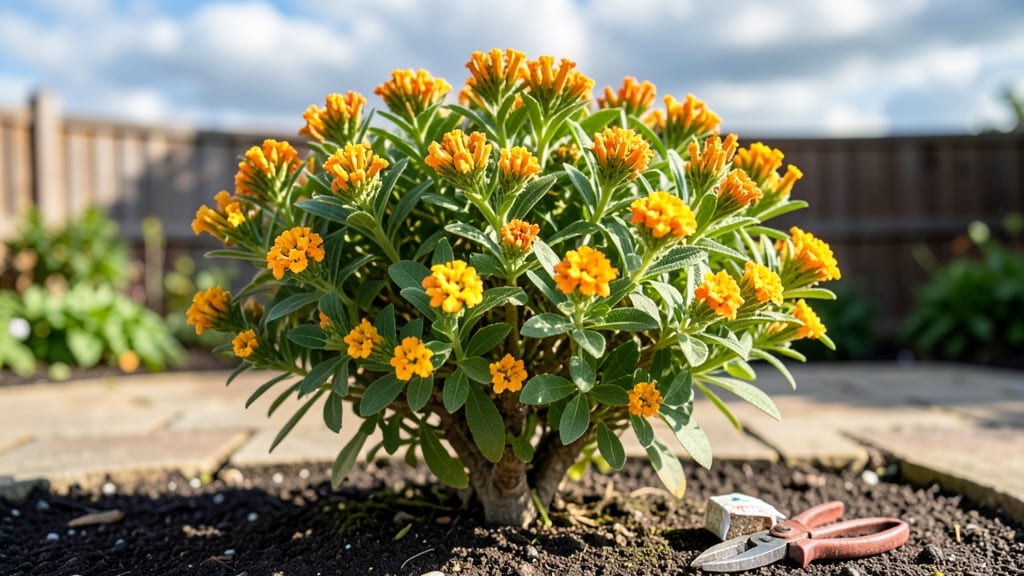
Understanding Houston's gardening zone helps you choose plants that thrive in its warm, humid climate with occasional cold snaps. 🌿 The city's subtropical location means most plants can grow year-round, but some tropical varieties may need winter protection.
For example, citrus trees and bougainvillea flourish here naturally, while palms like the Mexican fan palm handle Houston's heat and humidity beautifully. The key is selecting species that match the zone's temperature range and humidity levels.
What sets Houston apart is its ability to support both native Texas plants and tropical imports. 💛 Rare freezes below 20°F can damage tender plants, so gardeners often use mulch or row covers during winter.
This adaptability makes Houston one of the most diverse gardening regions in the U.S., blending desert-adapted plants with moisture-loving subtropical species.
💡 In This Article
- Houston’s Climate and Zone 9a/9b Plant Adaptations
- Best Plants for Houston’s Gardening Zones 9a and 9b
Houston’s climate and zone 9a/9b plant adaptations
Houston’s subtropical climate creates a unique gardening environment where high humidity (often exceeding 80% in summer) and warm winters define plant survival.
The 9a/9b designation reflects average winter lows between 20°F to 30°F, but what’s less obvious is how this range interacts with Houston’s 100+ days of 90°F+ heat annually.
This dual extreme creates a microclimate where plants must handle both intense summer sun and occasional cold snaps—like the 2021 freeze that dropped temps to 16°F for days.
The key factor is plant hardiness, measured by how well species tolerate temperature fluctuations.
Native Texas plants like Mexican feather grass (Nassella tenuissima) thrive here because their roots can rapidly adjust to moisture changes, while subtropical imports like elephant ears (Colocasia) rely on mulch to insulate their rhizomes during rare freezes. 🌿 The science behind this involves cold acclimation: plants like Mexican petunias (Ruellia brittoniana) enter a semi-dormant state when nights dip below 50°F, conserving energy until warmth returns.
What most gardeners don’t realize is how soil heat capacity plays a role. Houston’s clay-heavy soils retain heat longer than sandy soils, creating a 5-10°F warmer microclimate near the ground—critical for tender plants like citrus trees.
This is why grafted varieties (like Satsuma mandarins) survive better than seed-grown ones: their rootstocks are bred to handle temperature swings. The trade-off? These same soils can become waterlogged during Houston’s 20+ inches of annual rainfall, requiring raised beds for root-sensitive plants.
Seasonal variations add complexity. Summer’s 95% humidity fosters fungal diseases in tropical plants, while winter’s dry spells stress moisture-loving species like hibiscus. The solution? Drip irrigation keeps foliage dry, and windbreaks reduce evaporation.
For example, Mexican fan palms (Washingtonia robusta) handle Houston’s heat but need well-draining soil to prevent root rot—a lesson learned from the 2017 hurricane season, when standing water killed many palms.
Native plants like Texas sage (Leucophyllum frutescens) offer resilience with silver foliage that reflects sunlight, reducing heat stress, while their deep roots access groundwater during droughts.
Compare this to bougainvillea, which thrives in Houston’s heat but drops leaves below 40°F—a visual cue that winter’s approaching. 💫 The balance between native toughness and tropical vibrancy defines Houston’s gardening success.
Advanced gardeners use microclimate mapping to maximize zone potential. A north-facing wall can create a Zone 10 microclimate (ideal for ginger or banana plants), while a south-facing bed might stay in Zone 8 during freezes.
This explains why some Houstonians grow coffee plants outdoors—they’re tucked into protected corners where temps rarely dip below 25°F.