
Advice
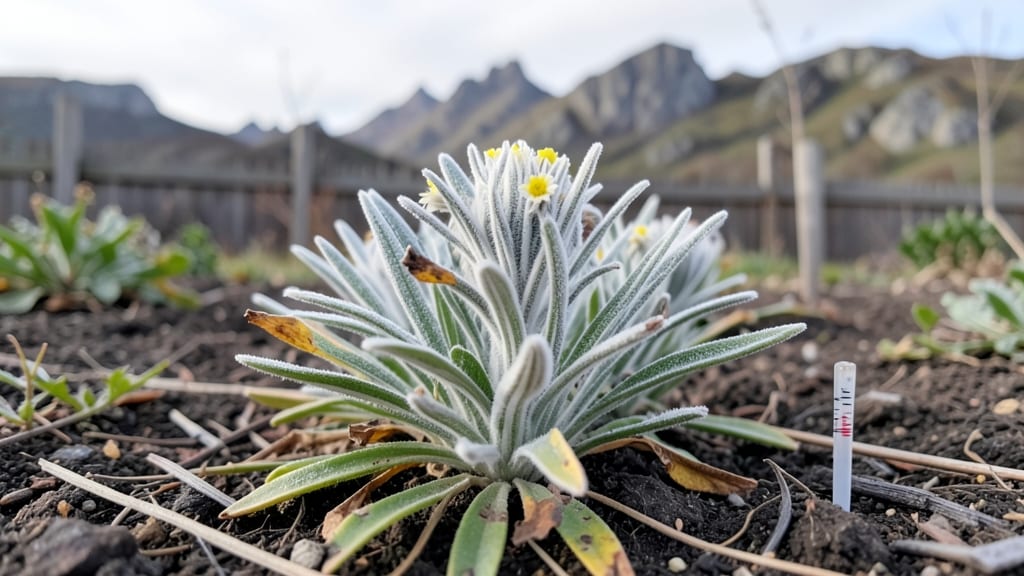
Gardening at elevations above 2,500 feet comes with its own set of rules—thin air, intense UV, and shorter seasons demand a different approach than lowland growing. 🌱 I’ve spent years perfecting my high-altitude garden in Colorado, where a single late frost can wipe out a season’s work if you’re not careful.
The key isn’t fighting the climate but working with it: selecting cold-hardy plants, protecting soil moisture, and leveraging microclimates to extend your growing window.
The right plants make all the difference. Forget heat-loving tomatoes—opt for varieties like purple potatoes, hardy barley, or alpine flowers that thrive in cooler temps and thinner air.
My garden’s soil mix includes extra compost to retain moisture, and I use black plastic mulch to warm the soil faster in spring. Watering is critical too; high-altitude plants need consistent moisture, but overwatering leads to root rot in poorly draining soils.
A drip irrigation system keeps things steady without wasting water.
What you’ll gain is a garden that outperforms expectations—lush foliage, robust harvests, and flowers that bloom later into fall. My Andean marigolds still flourish in September when lowland gardens have already faded. The trade-off?
More attention to windbreaks and frost protection, but the payoff is worth it. You’ll end up with a thriving garden that feels uniquely yours, adapted to the challenges and rewards of high-altitude growing.
This approach works whether you’re in the Rockies, the Andes, or the Himalayas—just adjust for local microclimates and frost patterns. The principles stay the same: choose wisely, protect your plants, and embrace the shorter season as an opportunity to grow what truly thrives at elevation.
📚 In This Guide
- What you need
- Instructions
- Tips and common mistakes
- Wrapping up and next steps
What you need
- ● High-altitude-adapted seeds: Choose cold-hardy, drought-resistant varieties (e.g., potatoes, barley, quinoa, or alpine flowers). Quantity: 2–5 lbs (adjust based on garden size).
- ● Well-draining soil: Mix 50% native soil with 30% compost and 20% perlite or sand to prevent compaction. Quantity: 1–2 cubic yards (for a 10’x10’ plot).
- ● Raised beds or containers: Use cedar or untreated wood (to avoid chemical leaching) or fabric grow bags. Size: At least 6” deep (8”+ for root crops).
- ○ Drip irrigation system: High-altitude gardens dry out fast! Install low-flow emitters (e.g., Rain Bird or Netafim) with pressure regulators (set to 20–30 PSI). Optional: Add a timing controller for automation.
- ● Windbreaks: Bamboo stakes, trellises, or woven fencing (4–6 ft tall) to shield plants from harsh winds. Pro tip: Plant native shrubs (e.g., serviceberry or currants) as natural barriers!
- ● Mulch: Straw, wood chips, or gravel (2–3” layer) to retain moisture and regulate soil temp. Avoid: Fresh grass clippings (they mat down).
- ● pH testing kit: High-altitude soil is often alkaline. Adjust with sulfur (to lower pH) or lime (to raise it) as needed.
- ● Cold frames or row covers: Extend the growing season with frost-proof covers (e.g., Agribon or polycarbonate tunnels).
- ● Soil warming cables: Jumpstart spring planting in chilly climates (e.g., Sunnex cables).
- ● Oxygenating bacteria: Add to water sources (e.g., Microbe-Lift) to boost plant health in thin air.
- ● Solar-powered lights: For late-season harvests or early starts (e.g., Brightex LED grow lights).
- ● Altitude zone: Research your specific elevation (e.g., 5,000–8,000 ft = Zone 5–7; 8,000–10,000 ft = Zone 3–5).
- ● Sunlight hours: High-altitude gardens get more intense UV rays—ensure 6+ hours of direct sun daily.
- ● Water rights/access: Thin air = faster evaporation. Plan for 2–3x more water than lowland gardens.
- ● Local regulations: Check if your area restricts raised beds, irrigation, or native plant use.
Instructions for adapting plants to high-altitude growing conditions
High-altitude gardening demands thoughtful adjustments—here’s how to match plants to your thin-air climate.
🌱 Step 1: Select Cold-Hardy, Fast-Maturing Varieties
Choose plants bred for short growing seasons and cooler temperatures. Look for labels like "early maturing" or "cold-tolerant" on seed packets. I always opt for varieties like 'Early Girl' tomatoes, 'Arctic Shelling' peas, or 'Northern Lights' lettuce—these thrive in 45-55°F nighttime temps that would shock lowland plants.
Check your USDA Hardiness Zone (most high-altitude areas are Zone 3-6) and select plants rated for at least one zone colder than your location. For example, if you're in Zone 5, prioritize Zone 4 or colder varieties. Avoid tropical plants like okra or sweet potatoes—they’ll languish in thin air.
☀️ Step 2: Extend the Growing Season Strategically
Use black plastic mulch or floating row covers to warm soil by 5-10°F and protect young plants from chilly winds. I lay down the mulch 2-3 weeks before planting to let it heat up, then cover seedlings immediately after transplanting. This creates a microclimate that buys 2-3 extra weeks of growing time.
For late-season crops, try low tunnels or cold frames—they trap heat during the day and insulate at night. I’ve kept spinach and kale producing until mid-November using this method. Just remember to vent them on warm days to prevent overheating.
💧 Step 3: Adjust Watering for Thin-Air Soil Dynamics
High-altitude soil dries out 30-50% faster due to lower humidity and increased evaporation. Water 10-20% more frequently than you would at sea level, but always check 2 inches deep—if it’s dry, it’s time to water. I use drip irrigation on a timer to deliver consistent moisture without wetting foliage, which reduces disease risk.
Mulch heavily with 3-4 inches of straw or wood chips to retain moisture and regulate soil temperature. The mulch acts like a blanket, keeping roots cooler in summer and warmer in spring. Avoid synthetic mulches—they can overheat soil in direct sunlight.
🌿 Step 4: Fertilize for Nutrient Uptake in Low-Oxygen Soil
Plants at high altitudes struggle to absorb nutrients efficiently because of reduced oxygen in the soil. Use a balanced, slow-release fertilizer (like 10-10-10) at half the recommended rate every 3-4 weeks starting when plants show true leaves. Over-fertilizing can burn roots in thin air.
Add compost or well-rotted manure to planting holes before transplanting—this boosts organic matter, which improves soil structure and water retention. I mix in 1-2 cups per plant and water deeply to help it settle. Avoid fresh manure; it can scorch plants in high-altitude conditions.
⏰ Step 5: Monitor and Protect Against Harsh Conditions
Watch for frost pockets—low-lying areas can freeze even when higher ground stays above 32°F. I place frost-sensitive plants on south-facing slopes or raised beds where cold air drains away. Use row covers or cloches on nights when temperatures dip below 40°F to protect tender plants.
High winds are another challenge—use windbreaks like tall evergreens or trellises to shield plants. I’ve seen 20 mph winds flatten young seedlings in open areas, but a simple burlap windbreak reduces damage by 70%. Stake tall plants early to prevent them from snapping in storms.
Tips & tricks for perfect high altitude gardening
A few key adjustments can transform your high-altitude garden from struggling to thriving. Here's what I've learned after years of adapting plants to thin-air conditions.
Variety Selection Matters: When choosing plants in Step 1, pay special attention to the nighttime temperature range of 45-55°F mentioned for cold-tolerant varieties. I've found that 'Early Girl' tomatoes actually perform better at 50°F nighttime temps than the labeled range, so don't be afraid to experiment with slightly hardier varieties than recommended. The key is to test a few options—some may surprise you with their adaptability to your specific microclimate.
Soil Preparation Strategy: Before implementing the 2-3 weeks mulch pre-treatment in Step 2, I recommend amending your soil with 1-2 inches of compost mixed into the top 6 inches of soil. This improves water retention and nutrient availability, which becomes critical when dealing with the 30-50% faster drying rates mentioned in Step 3. The compost acts like a moisture reservoir that helps compensate for the thin-air conditions.
Watering Precision: The 10-20% more frequent watering guideline in Step 3 deserves special attention. I've found that early morning watering (between 4-6 AM) works best at high altitudes because it allows foliage to dry completely before evening, reducing fungal diseases. Use a moisture meter to check that 2 inches deep—if it reads dry at 8 AM, you're likely watering too infrequently for your specific conditions.
Frost Protection Tactics: For the 40°F protection threshold in Step 5, I've had success with a layered approach: use row covers for 35-40°F nights, and add cloches or small hoop houses when temperatures drop below 35°F. The 32°F frost pocket warning should prompt you to monitor low areas with a minimum/maximum thermometer—these can reveal temperature swings you wouldn't notice otherwise.
Pro Tips for High Altitude Gardening
- A few key adjustments can transform your high-altitude garden from struggling to thriving.
- Variety Selection Matters: When choosing plants in Step 1, pay special attention to the nighttime temperature range of 45-55°F mentioned for cold-tolerant varieties.
- Soil Preparation Strategy: Before implementing the 2-3 weeks mulch pre-treatment in Step 2, I recommend amending your soil with 1-2 inches of compost mixed into the top 6 inches of soil.
Frequently asked questions
Got questions about high-altitude gardening? You’re not alone! Here are some of the most common concerns—and their solutions—to help you grow like a pro in thin air.
How does high altitude affect plant growth?
Thinner air means less oxygen and lower temperatures, which can slow plant growth. However, shorter growing seasons and intense sunlight can actually benefit certain crops like potatoes, barley, and hardy greens. The key is choosing adapted varieties and adjusting your planting timeline.
When should I start planting at high altitudes?
Start seeds 4–6 weeks earlier indoors than you would at lower elevations. Outdoor planting should begin 2–4 weeks later than recommended for your zone, as cooler temps delay germination. Use a local frost calendar as a guide!
Can I grow the same plants as my lowland neighbors?
Not all plants thrive at high altitudes! Stick to cold-hardy, fast-maturing varieties like kale, radishes, or peas. Leafy greens and root vegetables often do well, while heat-loving crops (like tomatoes or peppers) may struggle. Consider high-altitude seed packets for best results.
Do I need to water differently at high elevations?
Yes! Soil dries out faster due to lower humidity and stronger sunlight. Water deeply early in the day to reduce evaporation, and use mulch to retain moisture. Drip irrigation or soaker hoses work best in thin air.
Are pests a bigger problem in high-altitude gardens?
Fewer pests thrive at high elevations, but aphids, cutworms, and slugs can still be issues. Focus on preventative care: companion planting, row covers, and organic sprays. Monitor plants closely—cool nights can weaken defenses!
What if my plants aren’t growing well?
Troubleshoot with these steps:
- Check soil nutrients—high altitudes can deplete minerals faster.
- Adjust sunlight—some plants need shade from intense UV.
- Extend the season with cold frames or cloches.
- Try high-altitude hybrids bred for your specific conditions.
Wrapping up and next steps
High altitude gardening isn’t just possible—it’s a rewarding challenge that connects you to nature’s resilience. By choosing the right hardy plants, adapting your soil, and embracing seasonal timing, you can grow a thriving garden even in thin air. Remember, every expert gardener started with a single seedling!
Ready to take the next step? Start small—try a container garden or a few cold-hardy herbs on your balcony or patio. Then, expand your green thumb with native perennials or cold frames. The high-altitude earth is waiting for your creativity! 🌱✨