
Watering
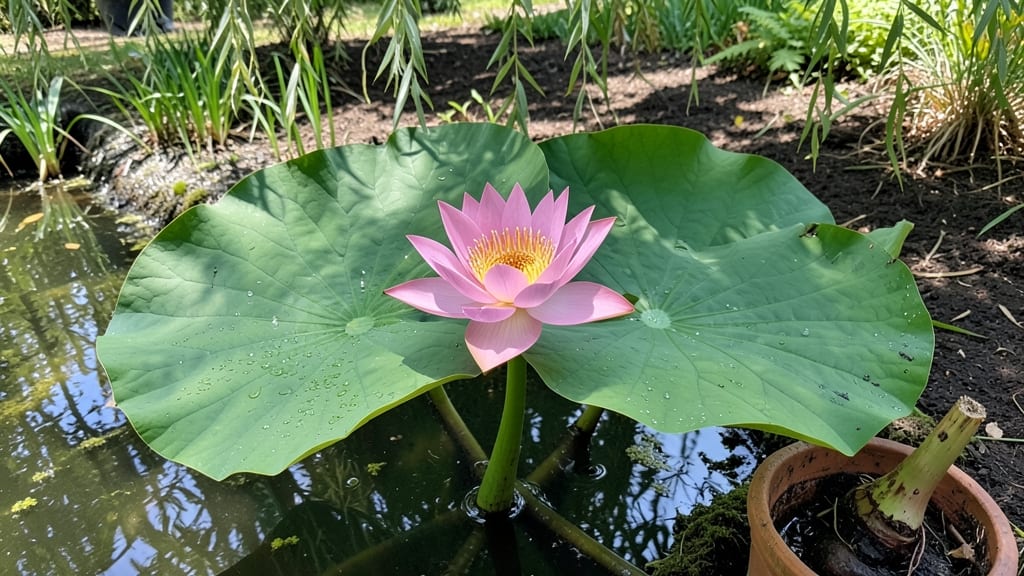
Creating a water lily garden transforms any pond into a tranquil oasis where nature’s artistry takes center stage. 🌿 I’ll never forget the first time I watched my lilies unfurl their velvety petals at dawn, turning ripples into a mirror for the morning sky.
The secret lies in balancing their needs with your pond’s ecosystem—sunlight, depth, and the right companions to make them truly shine.
You’ll need a pond at least 18 inches deep (for hardy varieties) or 3 feet for tropical types, plus a spot with 6+ hours of sun daily.
Start with 3-5 plants per 100 square feet of surface area to avoid overcrowding, and pair them with cattails, rushes, or water hyacinths for natural harmony. The right setup means fewer pests, more blooms, and a pond that feels like a secret garden just for you.
By summer’s peak, your pond will burst with jewel-toned blooms—deep purples, snowy whites, and fiery reds—that float like living art. The fragrance alone makes it worth the effort, but the real magic happens when dragonflies hover and frogs croak at dusk.
This isn’t just a garden; it’s a living painting that changes with the seasons.
Works for any pond size, from a small koi pond to a wildlife-friendly wetland. Whether you’re adding lighting for evening ambiance or seating for quiet contemplation, the design adapts to your vision. Let’s make your pond the envy of the neighborhood—one lily at a time.
📚 In This Guide
- What you need
- Instructions
- Tips and common mistakes
- Wrapping up and next steps
What you need
- ● Water lilies: 3–5 mature plants (e.g., Nymphaea varieties) per 100 sq. ft. of pond surface. Choose hardy types like 'Helvola' (yellow) or 'Alba' (white).
- ● Pond liner: 20–30 mil EPDM rubber or PVC (size depends on pond depth/width).
- ● Underlayment: Pond underlayment fabric (1 roll covers ~100 sq. ft.).
- ● Gravel or sand: 1–2 inches of ½-inch washed gravel for drainage (50 lbs covers ~10 sq. ft.).
- ● Pond pump: 1,000–2,000 GPH (gallons per hour) for circulation (adjust based on pond size).
- ○ Pond filter: UV clarifier or sponge filter (optional but recommended for clarity).
- ● Floating plant baskets: 3–5 (12–18 inches in diameter) with mesh bottoms for root growth.
- ● Pond thermometer: 1 (to monitor water temperature for lilies).
- ● Barley straw: 1–2 bales (natural algae inhibitor).
- ● Decorative rocks: Smooth stones or pebbles for pond edges (10–20 lbs for aesthetic appeal).
- ● LED pond lights: Solar-powered or battery-operated for nighttime ambiance.
- ● Floating ferns: 2–3 plants (e.g., Salvinia) to complement lilies.
- ● Pond dye: Blue or green tint to enhance color (follow package instructions).
- ● Fish: Koi or goldfish (if desired; ensure pond is large enough for their needs).
- ● A sunny pond location with 6+ hours of direct sunlight daily.
- ● Pond depth of 18–24 inches (deeper for tropical lilies).
- ● Access to a water source (hose or well) for filling.
- ● Basic gardening tools: shovel, rake, and scissors for plant trimming.
Step-by-Step guide to designing a stunning water lily garden
Here's how to create a tranquil pond oasis with floating beauty that thrives year after year.
🪴 Step 1: Choose and Prepare Your Pond Location
Select a spot with at least 6 hours of sunlight daily—water lilies are sun-worshippers. I always check for shade from nearby trees at midday, as afternoon sun is crucial for blooms. Dig your pond to a depth of 12-18 inches in the center, with gently sloping sides for easy access.
Line the bottom with a pond liner or heavy-duty plastic sheeting, overlapping edges by 6 inches and securing with landscape staples. Smooth out wrinkles to prevent sharp edges from damaging roots later. For a natural look, cover the liner with 3-4 inches of sand before adding water.
💧 Step 2: Install a Circulation System
Water lilies need gentle movement to prevent stagnation and encourage strong growth. Install a small pond pump (100-200 GPH) near the edge, positioned so water flows toward the center. Place a spray bar or fountain head to create a soft, circular flow that mimics natural currents.
Test the flow before adding plants—water should move steadily but not create strong currents. I like to run it for 24 hours beforehand to check for leaks or uneven water levels. Aim for 6-12 inches of water depth in the planting area, as deeper water cools roots in summer.
🌱 Step 3: Plant Water Lilies at Correct Depths
Start with 4-6 hardy water lily tubers, spacing them 18-24 inches apart in the pond's center. Use a pond basket with planting medium—this keeps roots contained while allowing water circulation. Fill the basket halfway with the planting medium, then place the tuber on top with roots facing downward.
Cover with additional medium until the top of the tuber is just below the surface. Deeper water varieties (like 'Helvola' or 'Black Dragon') go in the center, while shallower types (like 'Alba' or 'Stella') get placed toward the edges. Water lilies multiply quickly, so starting with fewer plants prevents overcrowding.
☀️ Step 4: Add Complementary Pond Plants
Surround your water lilies with marginal plants like cattails or sweet flag along the edges for texture contrast. These thrive in 3-6 inches of water and create a natural transition from land to pond. For submerged plants, add hornwort or anacharis to provide oxygen and prevent algae blooms.
Leave 12-18 inches of open water space between lilies and margins—this prevents shade competition and makes maintenance easier. You'll see new growth emerge within 3-4 weeks, with first blooms appearing in 6-8 weeks during warm weather.
⏰ Step 5: Maintain Water Quality and Bloom Health
Test water weekly with a pond test kit—ideal levels are pH 6.5-7.5 and ammonia/nitrites at 0 ppm. Remove up to 25% of foliage annually in early spring to prevent overcrowding. I always fertilize lightly in spring with slow-release pond tablets placed in the planting baskets.
Deadhead spent blooms regularly to encourage more flowers. In fall, reduce water depth to 12 inches and cover the pond with netting to prevent debris buildup. With proper care, your water lilies will reward you with vibrant blooms from early summer through frost.
Tips & tricks for perfect water lily garden design
Creating a stunning water lily garden takes more than just dropping tubers in water—here's what I've learned to ensure your pond thrives for years.
Sunlight Strategy: The 6 hours of sunlight mentioned is non-negotiable, but here's the thing: afternoon sun (2-6pm) is most critical for blooms. I always check my pond's shade patterns at midday—if nearby trees cast shadows during this window, consider trimming branches or relocating your pond slightly. Partial shade in the morning is fine, but never compromise afternoon light.
Pond Depth Precision: That 12-18 inch depth range in Step 1 is perfect for root health, but don't just eyeball it. Use a measuring tape to verify depth at planting time—water lilies need consistent depth for proper growth. I mark my pond's center with a bamboo stake to ensure I'm planting at exactly 18 inches for deeper varieties.
Circulation Timing: Running your pump for 24 hours before planting isn't just about checking leaks—it's about temperature stabilization. Cold water can shock new tubers. Let the water reach at least 60°F before planting, especially in spring. I always run my pump for 48 hours in early spring to ensure consistent temperatures throughout the pond.
Planting Medium Hack: The planting baskets in Step 3 work wonders, but here's a pro tip: mix your planting medium with a handful of small pebbles (about 10% of the volume). This improves drainage while keeping roots contained. I use aquarium gravel—it's cheap, sterile, and creates perfect air pockets for root growth.
Pro Tips for Water Lily Garden
- Creating a stunning water lily garden takes more than just dropping tubers in water—here's what I've learned to ensure your pond thrives for years.
- Sunlight Strategy: The 6 hours of sunlight mentioned is non-negotiable, but here's the thing: afternoon sun (2-6pm) is most critical for blooms.
- Pond Depth Precision: That 12-18 inch depth range in Step 1 is perfect for root health, but don't just eyeball it.
Frequently asked questions
Got questions about creating your dream water lily garden? You’re not alone! Here are some of the most common inquiries—plus clear, actionable answers to help you design a stunning, low-maintenance oasis.
What’s the best time of year to plant water lilies?
Plant water lilies in early spring (after the last frost) or late summer (before fall temperatures drop). Hardy varieties like Nymphaea odorata thrive in mild climates year-round, but cooler regions benefit from spring planting. Avoid winter—lilies need stable water temps (above 50°F) to root successfully.
How deep should my pond be for water lilies?
Depth matters! Tropical lilies need 18–24 inches of water, while hardy varieties (like Nymphaea ‘Helvola’) do well in 12–18 inches. Shallow edges (<6 inches) can host marginal plants, but lilies need deeper zones to anchor and bloom. Use a pond liner or preformed basin to customize depths easily.
Will water lilies attract pests like frogs or mosquitoes?
Water lilies attract beneficial wildlife (like frogs and dragonflies), which reduce mosquitoes naturally! To minimize pests, ensure your pond has moving water features (like a small fountain) and fish (koi or goldfish). Avoid stagnant water, and add a few mosquito dunks (Bacillus thuringiensis) as a precaution.
Can I grow water lilies in a small container or bucket?
Yes! Use a 5–10 gallon container with drainage holes (covered by mesh) for tropical lilies. Place it in a sunny spot with at least 6+ hours of light. Hardy lilies may need a larger container (15+ gallons) to overwinter. Add aquatic plant fertilizer tabs to the soil for nutrients.
What if my water lilies aren’t blooming?
Lilies skip blooms due to light, nutrients, or depth issues. Check these fixes:
- Light: Ensure 6+ hours of direct sun daily.
- Nutrients: Add pond fertilizer in spring.
- Depth: Adjust water level (tropical lilies need 18–24").
- Temperature: Hardy lilies may need warmer water (70°F+).
Wrapping up and next steps
Creating a water lily garden is more than just adding beauty to your pond—it’s about crafting a tranquil sanctuary that connects you with nature’s elegance. 🌿 From selecting the right varieties to maintaining their health, every step brings you closer to a serene, low-maintenance oasis.
Whether you’re a beginner or a seasoned gardener, the key is patience and passion.
Now that you’re inspired, take the plunge! Start small with a single lily or go all out—your pond will thank you. Grab your tools, get your hands dirty, and watch your floating garden bloom into a breathtaking centerpiece. Happy planting! 🌸