
Watering
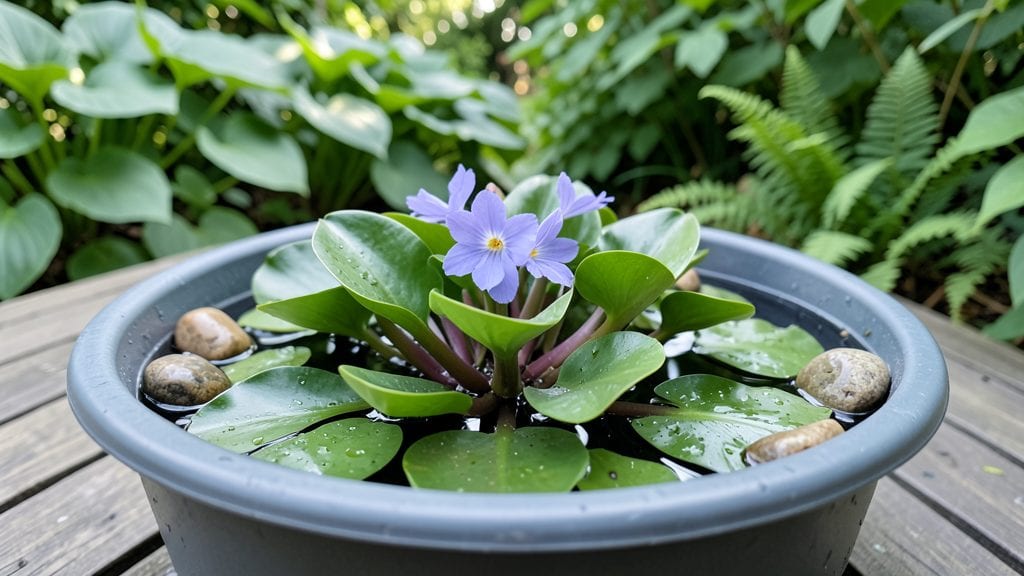
A water garden tub is a compact, self-contained aquatic system that mimics nature by integrating live plants, filtration, and lighting to create a thriving mini ecosystem. Begin with a sealed container, add a nutrient-rich base layer, and plant oxygenators like water lilies before adding fish or koi.
A water garden tub thrives on balance—aquatic plants like hornwort or water hyacinth work overtime to absorb excess nutrients, while a biological filter breaks down waste naturally. 🌿 The key is patience: rushing to add fish before the plant-filtration system stabilizes can throw off the delicate chemistry, leading to murky water or algae outbreaks.
I always recommend testing water parameters weekly until the system matures, usually within 4-6 weeks.
This setup isn't just for aesthetics—it's a functional ecosystem that requires minimal maintenance once established. The right substrate mix (like expanded clay pebbles over sand) prevents root rot while supporting beneficial bacteria.
For beginners, I suggest starting small: a 20-gallon tub with just plants first, then gradually introducing hardy species like goldfish or rosy red minnows once the water stays crystal clear.
💡 In This Article
- Key Components for a Balanced Water Garden Tub Ecosystem
- Step-by-Step Setup Guide for Beginners
Key components for a balanced water garden tub ecosystem
The heart of any thriving water garden tub lies in its ability to replicate natural wetland processes. Here's what's actually happening: aquatic plants like hornwort and water lilies perform photosynthesis during daylight hours, producing oxygen while absorbing excess nutrients like nitrates and phosphates that fish waste produces.
This oxygenation process maintains water quality, while the plants' roots create microhabitats for beneficial bacteria that break down organic matter—similar to how wetlands naturally filter water. 🌿 The key factor is this nutrient cycle: plants consume what fish produce, and vice versa, creating a closed-loop system.
The substrate layer isn't just decorative—it's the foundation of chemical stability. A 3-inch base layer of sand (pH-neutral, like play sand) provides anchor roots while preventing compaction, while a 2-inch top layer of expanded clay pebbles creates surface area for beneficial bacteria colonies.
These bacteria convert toxic ammonia (from fish waste) first to nitrites, then to nitrates—just like in natural aquatic systems. The pebbles also prevent light from reaching the substrate, which prevents algae growth at the base.
For best results, use a mix that maintains a pH between 6.5-7.5, as extreme values can stress plants and fish.
Filtration works in two critical ways: mechanical and biological. A sponge filter or air-driven filter handles the mechanical part by physically trapping debris, while the biological component comes from the filter media's surface area. Beneficial bacteria like Nitrosomonas and Nitrobacter colonize this media, performing the nitrogen cycle I mentioned earlier.
What most people don't realize is that these bacteria need time to establish—typically 4-6 weeks—before the system can safely support fish. During this period, plants do most of the heavy lifting in keeping water clean.
Lighting plays a dual role: it powers photosynthesis while preventing algae overgrowth. Too little light (under 4-6 hours/day) causes plants to weaken, while too much (over 8 hours/day) can trigger algae blooms.
The ideal balance comes from using full-spectrum LED lights on a timer, positioned to illuminate plants without creating dark corners where algae thrives. Natural sunlight through a window works too, but beware of temperature fluctuations—water gardens should maintain 65-75°F for most tropical species.
Let's talk about the often-overlooked water movement component. Gentle circulation from a small water pump (typically 100-200 GPH) prevents stagnation and helps distribute oxygen throughout the system. This mimics natural currents in ponds, which prevent stratification (where warm surface water and cold bottom water don't mix).
Without movement, you'll see issues like dead zones where waste accumulates and oxygen levels drop—perfect conditions for fish stress or disease. A good rule of thumb is to aim for water movement that creates small ripples, not waves.
For beginners, I recommend starting with a 70/30 plant-to-fish ratio by volume. This means if your tub is 20 gallons, you should have enough plant mass to cover about 14 gallons of that volume. This plant density gives you the maximum biological filtration capacity before adding fish.
The most efficient oxygenators include water hyacinth (floating), hornwort (submerged), and water lettuce—all of which can double their biomass in 2-3 weeks under optimal conditions. 💫
The secret to long-term success is monitoring the nitrate levels. Keep them below 20 ppm—any higher suggests your plant-to-fish balance is off. You can test this with simple liquid test kits available for under $15.
Most beginners make the mistake of adding too many fish too soon, which is why I always say: "Start small, plant first, then fish." This approach gives your ecosystem time to mature its natural filtration processes before adding inhabitants.