
Tools
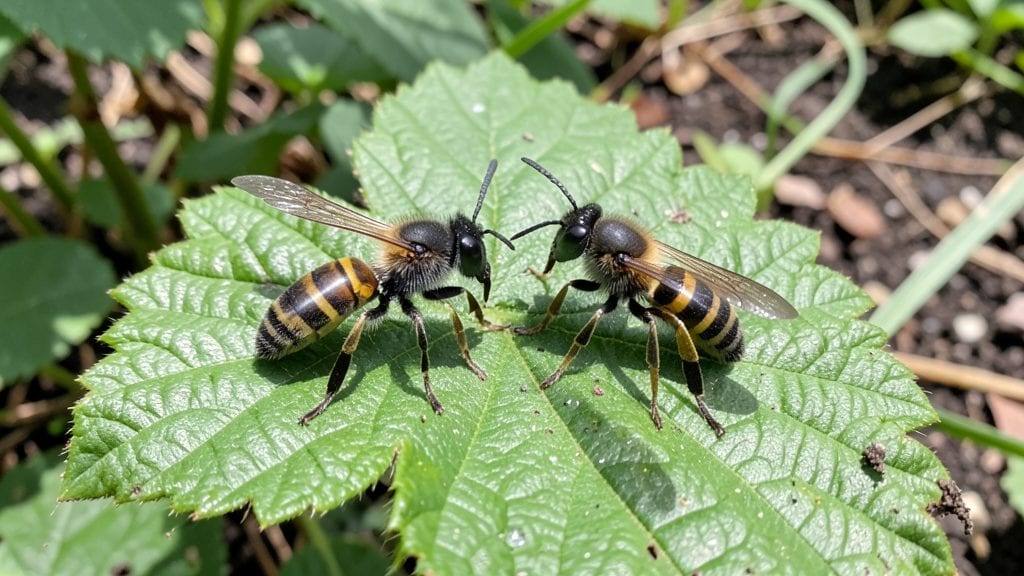
Dealing with wasps in your garden doesn’t mean sacrificing pollinators or spraying toxins. ✨ I’ve learned the hard way that most wasps are actually allies—until they’re not.
The key is telling the difference between the beneficial ones and the nuisance species, then using targeted, humane methods to keep them out without harming your plants or the ecosystem.
Most gardeners panic when they see wasps, but here’s the thing—only about 10% of species are aggressive. Paper wasps and yellowjackets are the troublemakers, while mud daubers and potter wasps hunt pests like caterpillars.
The solution? Focus on exclusion (sealing entry points) and natural deterrents (peppermint oil, citrus peels) before resorting to traps.
By the end of this, you’ll have a wasp-free zone that still welcomes bees and butterflies. Think crunchy vegetables, blooming flowers, and zero stings—all while keeping the garden’s natural balance intact. The best part? These methods work year-round, with peak effectiveness in late summer when wasp activity peaks.
No more guessing whether that nest is harmful or helpful—just clear, actionable steps to protect your garden the right way. Let’s get started with the tools and timing that actually work.
Why Your Garden Becomes A Wasp Hotspot
Wasps may seem like unwelcome guests, but their presence in your garden isn’t random—it’s often a response to specific environmental cues and resources. Understanding why they’re drawn to your outdoor space is the first step in managing them without harming beneficial pollinators or your plants.
Here’s a breakdown of the key reasons these striped intruders show up, backed by science and actionable insights.
Wasps are attracted to gardens primarily because of sugary and protein-rich food sources. Unlike bees, which rely on pollen, wasps seek out:
- Fruit ripening on plants – Overripe berries, fallen apples, and even watermelon rinds emit fermenting sugars that mimic the scent of wasp larvae’s natural diet. Pro tip: 💡 Harvest fruits promptly and remove overripe ones to reduce temptation.
- Nectar from flowering plants – While some flowers (like asters or coneflowers) attract beneficial wasps (e.g., mud-daubers), others—such as Lantana or Honeysuckle—produce nectar high in simple sugars, which social wasps (like yellowjackets) crave.
- Human food debris – Picnic leftovers, soda spills, or even pet food left outdoors can create a wasp buffet. Science note: Wasps have olfactory receptors 16x more sensitive to fermenting odors than humans, making them zero in on hidden spills.
Actionable fix: Avoid planting high-sugar flowers near seating areas, and use wasps-proof trash bins with tight-sealing lids.
Wasps don’t just visit—they settle in. Your garden may offer ideal nesting conditions, such as:
- Pre-existing cavities – Paper wasps love undisturbed nooks like eaves, hollow stems (e.g., bamboo), or gaps in fences. Yellowjackets prefer underground burrows in loose soil or mulch piles.
- Protected structures – Overhangs, porch lights, or even birdhouses (ironically) provide shelter from predators and weather. Fun fact: 🐝 Some wasp species reuse old nests, so removing a nest doesn’t always stop them from returning to the same spot.
- Mulch and debris – Thick mulch layers or leaf litter can trap moisture, creating a cozy environment for ground-nesting wasps like mud-daubers.
Actionable fix: Seal gaps with caulk, remove old nests after dark (when wasps are less active), and keep mulch 3–4 inches away from structures.
Wasps need water—not just for drinking, but to dissolve food for their larvae. Gardens with:
- Standing water – Birdbaths, clogged gutters, or even wet pet bowls become wasp watering holes. Science note: Wasps can detect water sources up to 100 feet away using hygroscopic receptors on their antennae.
- High humidity – Shady, damp areas (like under decks or dense foliage) encourage wasp activity, especially in summer months when humidity peaks.
Actionable fix: Add a shallow, moving water feature (like a small fountain) to distract wasps from still water, or use mosquito dunks (which also deter wasps) in standing water.
Not all plants are equal when it comes to wasp attraction. Some invite them, while others deter them:
| Wasp-Magnet Plants | Wasp-Repelling Plants |
|---|---|
| Lantana, Honeysuckle, Dandelions, Cosmos | Basil, Mint, Marigolds, Lavender, Rosemary |
| Overripe fruit trees (peaches, plums) | Citrus (wasps dislike strong citrus scents) |
Pro tip: 🌿 Plant wasp-repelling herbs near seating areas or entryways to create a natural barrier. Bonus: These plants also boost pollination!
Wasps are seasonal opportunists, and their behavior shifts with temperature and weather:
- Late summer heat waves – When food becomes scarce, wasps become more aggressive to protect their nests before winter. Science note: 🔥 Yellowjackets double their foraging in 90°F+ weather.
- Rainy periods – Wasps seek shelter in gardens after storms, increasing sightings near eaves or sheds.
- Early spring warmth – Queen wasps emerge to found new colonies, often choosing gardens with accessible nesting sites.
Actionable fix: Monitor wasp activity in July–August (peak season) and take preventive measures like nest deterrents or traps placed away from plants.
Humane Ways to Remove Wasps Safely
Wasps in your garden don’t have to mean war—there are effective, non-toxic solutions that protect both your space and the pollinators you want to keep. Below, we break down cause-specific fixes, from trapping to habitat tweaks, so you can reclaim your garden without cruelty or chemicals.
Prevention is the easiest way to avoid wasp problems. Since wasps are drawn to sweet scents, protein, and standing water, start by eliminating their favorite snacks:
- 🍯 Cover food & drinks – Wasp scouts can detect sugar from 50+ feet away!
Use mesh covers on outdoor dining areas, trash cans, and compost bins. - 🥩 Secure protein sources – Wasps love pet food, meat scraps, and dead insects. Store pet bowls indoors or use wasps-proof feeders for birds. - 💧 Remove standing water – Puddles, clogged gutters, and birdbaths become breeding grounds. Empty water sources weekly or add a floating cisco fish (they eat larvae). - 🌿 Trim sweet-smelling plants – Roses, fruit trees, and jasmine attract wasps. Prune blooms or opt for wasps-repellent herbs like mint, basil, or lavender near entry points.
💡 Pro Tip: A citrus peel spray (blend peels with water, strain, and spray) deters wasps naturally—reapply after rain.
If wasps have already nested, humane relocation is key. Avoid poison bait stations—they kill wasps and beneficial insects.
🔥 DIY Wasp Trap (No Harm, Just Redirection)
Materials Needed:
- Empty 2-liter plastic bottle
- Scissors
- Sweet liquid (apple cider vinegar + sugar or fermented fruit juice)
- Tape
Steps:
- 🍳 Cut the bottle – Remove the top third (keep the cap).
- 👨🍳 Invert & tape – Place the top section inside the bottle, upside-down, and secure with tape to create a funnel.
- 🥘 Bait it – Fill the bottom with your sweet liquid.
- 🔪 Hang near nests – Place traps 5–10 feet from the ground (wasps fly low when foraging).
- ⏰ Check daily – Once full, release wasps far from your home (at least ½ mile away) at dusk when they’re less active.
⚠️ Warning: Never use soda or alcohol—it can harm wasps. Stick to natural sugars.
Wasps exploit tiny gaps to build nests. A quick inspection can save hours of future headaches:
| Common Entry Points | How to Fix It |
|---|---|
| Gutter downspouts | Install fine mesh screens or slope gutters to prevent water pooling. |
| Vent covers | Replace old vents with wasps-proof mesh (¼-inch holes max). |
| Cracks in siding/roof | Seal with caulk or expanding foam. |
| Under decks/porches | Hang yellow sticky traps (wasps are attracted to yellow) or wasps-repellent plants like geraniums. |
💡 Pro Tip: Spray soapy water (1 tbsp dish soap + 1 gallon water) on nests at night—it dissolves the paper wasps use to build, weakening the structure over time.
Instead of fighting wasps, invite their predators to keep populations in check:
- 🐦 Birdhouses for wrens & bluebirds – These birds eat wasp larvae.
- 🐝 Ladybugs & lacewings – Release beneficial insect eggs near nests (available at garden centers).
- 🐍 Frogs & toads – Add a small pond to attract amphibians that feast on wasp grubs.
✨ Bonus: Plant dill, fennel, or yarrow—these attract parasitic wasps (like Trichogramma) that prey on garden pests, not your plants.
Some nests are too risky to handle alone. Call a pest control expert if:
- The nest is larger than a basketball (paper wasps) or football-sized (yellowjackets).
- Wasps are extremely aggressive (common with ground nests).
- The nest is in a hard-to-reach place (e.g., inside a wall).
💡 Pro Tip: Look for licensed humane pest controllers who use carbon dioxide asphyxiation (wasps are trapped and frozen, not poisoned).
Before wasp season peaks (late summer), run through this quick checklist to stay ahead: ✅ Inspect & seal all entry points. ✅ Set up traps in early spring (before nesting). ✅ Plant wasp-repellent herbs near patios. ✅ Keep food sealed—no leftovers outside! ✅ Monitor water sources weekly.
With these humane, plant-safe methods, you can enjoy your garden without fear—and even help protect pollinators in the process. 🌿🐝
Frequently asked questions
Why do wasps suddenly appear in my garden every summer?
Wasps thrive in summer because of abundant food sources and warmer temperatures. They target ripening fruits, sweet nectar, and protein-rich scraps. Late summer (July-August) is peak nesting season when colonies grow largest before winter. Eliminating food sources and sealing entry points can reduce their presence.
Are all wasps equally dangerous in gardens?
No—only about 10% of species are aggressive. Paper wasps and yellowjackets are the troublemakers, while mud daubers and potter wasps actually help by hunting pests like caterpillars. The key is identifying nests: paper wasps build exposed, umbrella-shaped nests, while yellowjackets create hidden underground burrows.
Can I safely remove a wasp nest myself?
Only attempt removal if the nest is small (golf ball size) and in an accessible spot. Use a pesticide-free approach: spray soapy water at night (when wasps are less active) or relocate them with a DIY trap. Never use bleach or gasoline—these attract more wasps. For large nests (>basketball size), call a professional humane pest control service.
What plants naturally repel wasps from my garden?
Plant wasp-repelling herbs like mint, basil, lavender, and rosemary near seating areas. Citrus plants (lemons, oranges) also work well because wasps dislike their strong scent. Avoid high-sugar flowers like lantana or honeysuckle, which attract wasps. Strategic planting creates a natural barrier while still supporting pollinators.
How do I keep wasps away from outdoor dining areas?
Use mesh covers on tables and food, keep drinks sealed, and avoid sweet-smelling candles or perfumes. Place a shallow dish of vinegar mixed with a drop of dish soap nearby—wasps will investigate but get trapped. Hang yellow sticky traps (wasps are drawn to yellow) away from plants to lure them away from dining areas.