
Companion Plants
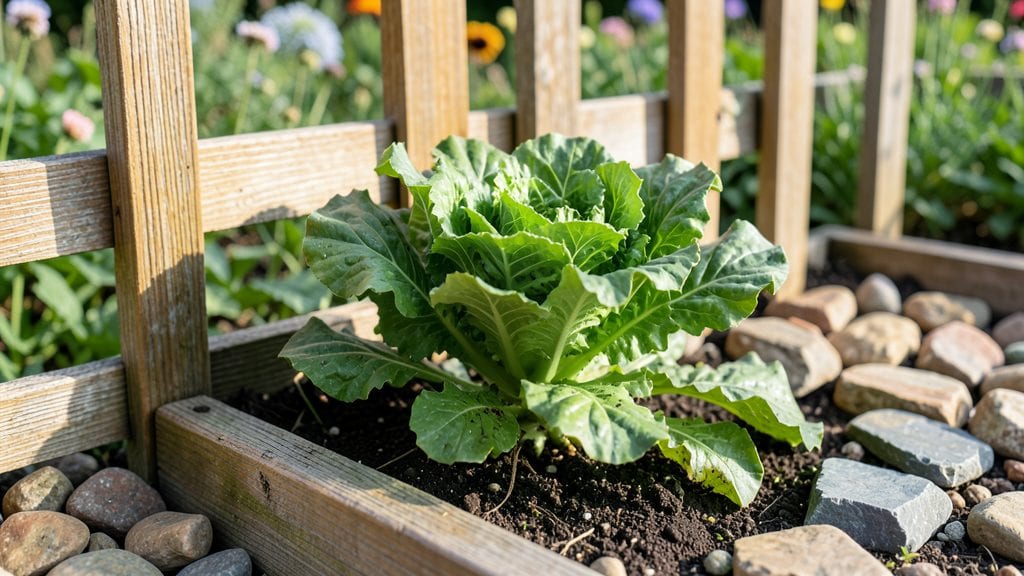
Victory garden plants aren't just about growing food—they're about reclaiming a piece of history while creating a thriving, self-sufficient harvest. 🌱 Back in World War II, these gardens fed families and boosted morale, and today, they're making a comeback for the same reasons: resilience, community, and fresh produce.
The best part? Many of these plants naturally repel pests, so you get double the benefit—food and protection in one.
The core of any victory garden is a mix of high-yield vegetables like tomatoes, potatoes, and cabbage, paired with pest-fighting herbs such as basil, rosemary, and thyme. Flowers like marigolds and nasturtiums aren’t just pretty—they deter insects and attract pollinators, creating a balanced ecosystem.
I’ve found that planting these in blocks or rows mimics the diversity of a wild meadow, confusing pests and keeping your garden healthy without chemicals.
Imagine walking out to a garden bursting with vibrant green leaves, fragrant herbs, and colorful blooms—all working together to produce food while keeping bugs at bay. The satisfaction of harvesting what you grew, especially knowing it’s free from synthetic pesticides, is unmatched.
Plus, victory gardens are perfect for small spaces, urban lots, or even container setups if you’re short on land.
Whether you’re inspired by history or just love the idea of growing your own food, these plants are your best bet for a productive, low-maintenance garden. The best time to start is now—spring or early summer—so you can enjoy the rewards by midsummer.
Let’s get those seeds in the ground and bring a little piece of wartime ingenuity to your backyard!
📚 In This Guide
- What you need
- Instructions
- Tips and common mistakes
- Wrapping up and next steps
What you need
- ● Seeds or seedlings: Choose pest-repelling varieties like basil, marigolds, nasturtiums, dill, or catnip (5–10 plants per 100 sq. ft.).
- ● Garden soil: 1–2 cubic yards of well-draining, organic-rich soil (or compost mix for containers).
- ● Containers or raised beds: 5–10 gallon pots (for herbs) or 4’x8’ raised beds (for veggies/flowers).
- ● Watering can or hose: With a gentle spray nozzle for seedlings.
- ● Gloves & kneeling pad: For comfort and hygiene.
- ● Pruners or scissors: Sharp, clean tools for trimming.
- ● Mulch: Straw or wood chips (2–3 inches) to retain moisture.
- ● Compost: Homemade or store-bought (for nutrient boosts).
- ● Organic pest control: Neem oil, diatomaceous earth, or insecticidal soap.
- ● Trellis or stakes: For climbing plants like nasturtiums or basil.
- ● pH test kit: To ensure soil is ideal (most herbs prefer 6.0–7.0).
- ● Shade cloth: For seedlings in hot climates.
How to design a victory garden that repels pests naturally
Here's how to create a thriving, self-defending garden using time-tested plants that deter pests while boosting patriotism.
🌱 Step 1: Select Your Core Pest-Repelling Plants
Start with marigolds—their strong scent confuses aphids and nematodes while attracting beneficial insects. Plant basil near tomatoes to deter flies and mosquitoes, and include nasturtiums as edible ground covers that repel squash bugs. I like to interplant rosemary and lavender along borders—their woody fragrance deters rabbits and deer while adding stunning purple blooms.
For a 4-person harvest, include 10 marigold plants, 5 basil plants, 3 nasturtium plants, and 2 rosemary bushes. These ratios ensure enough pest protection while leaving room for your main crops. I always place marigolds in a checkerboard pattern—their scent creates a natural barrier that pests avoid.
🌿 Step 2: Plan Your Garden Layout for Maximum Defense
Design your garden in concentric rings with the strongest repellents on the outer edges. Place lavender and rosemary along fences or property lines—their scent carries farthest and deters larger pests like rabbits. Next, add marigolds as a middle ring, followed by basil and nasturtiums closer to your vegetables.
This layered approach mimics natural ecosystems, where each plant plays a role in pest control. I like to group tomatoes with basil and cucumbers with nasturtiums—these pairings create microclimates where pests struggle to establish. Space plants 12-18 inches apart to allow airflow and prevent fungal diseases that stressed plants attract.
✂️ Step 3: Maintain Your Garden for Continuous Pest Control
Harvest marigolds and basil regularly—pruning encourages bushier growth and stronger scent production. Pinch back nasturtiums after flowering to promote new blooms and maintain their pest-repelling properties. For rosemary and lavender, trim back leggy stems in early spring to keep them compact and fragrant.
Water in the early morning to allow foliage to dry quickly—wet plants attract slugs and fungal diseases. I've found that mulching with straw around the base of plants helps retain moisture while creating an inhospitable environment for pests like cutworms. Rotate crops annually to prevent soil-borne pests from building up in one spot.
💧 Step 4: Enhance Pest Control with Companion Planting
Add garlic and chives near roses or fruit trees—their sulfur compounds repel Japanese beetles and aphids. Plant dill and fennel near cabbage families to deter cabbage moths, and include sunflowers as trap crops for squash bugs. These additions create a multi-layered defense system that works even better than chemical sprays.
I like to interplant carrots with onions—the onions' sharp scent confuses carrot flies, while the carrots' deep roots aerate the soil. This symbiotic pairing ensures both plants thrive while minimizing pest pressure. Always rotate these combinations yearly to maintain their effectiveness.
☀️ Step 5: Monitor and Adjust for Seasonal Changes
Check your garden weekly for early signs of pest activity—yellowing leaves on marigolds or wilting basil often signal stress from hidden pests. If you notice aphids on your roses, introduce ladybugs or spray with neem oil for a natural solution. I've found that companion planting works best when paired with regular inspections—catching problems early prevents them from spreading.
Adjust your plantings as seasons change—plant extra marigolds in late summer to deter fall pests like cabbage worms, and add winter savory in early autumn to repel mice and other rodents. This proactive approach ensures your garden remains a self-sustaining fortress against pests year-round.
Tips & tricks for perfect victory garden plant arrangements
These game-changing strategies will transform your garden into a self-sustaining pest-fighting powerhouse while maximizing your patriotic harvest.
Plant Placement Precision: The concentric ring layout in Step 2 is absolutely critical—lavender and rosemary's strong scent needs to be positioned along property lines first, as their fragrance carries farthest. I've found that placing marigolds in a checkerboard pattern (as mentioned in Step 1) creates a visual and olfactory barrier that confuses pests trying to navigate your garden. This strategic arrangement mimics how native ecosystems naturally repel invaders while allowing beneficial insects to thrive.
Harvest Timing Strategy: When maintaining your garden in Step 3, I can't emphasize enough how crucial regular harvesting is—especially for marigolds and basil. I harvest my marigolds every 2-3 weeks, and basil leaves as soon as they reach 3-4 inches tall. This constant pruning doesn't just boost growth; it intensifies their pest-repelling properties by stimulating new, fragrant foliage production. Think of it as giving your plants a natural "fight or flight" response to pest threats.
Seasonal Adaptation: The seasonal adjustments in Step 5 are where many gardeners fall short. I've learned the hard way that simply planting your summer garden and calling it done leads to fall pest explosions. That's why I always plant extra marigolds in late summer—they're my secret weapon against cabbage worms and other fall pests. Winter savory is another underrated powerhouse that deserves more attention for its rodent-repelling capabilities during colder months.
Companion Planting Combinations: The tomato-basil and cucumber-nasturtium pairings in Step 2 create microclimates that pests instinctively avoid. But here's what nobody tells you: the onion-carrot combination works even better when you add a third element. I like to plant these pairs near my dill plants—their combined scents create a multi-layered defense that's nearly impenetrable to common garden pests. It's like creating a natural "smoke screen" that confuses insects trying to find their hosts.
Pro Tips for Victory Garden Plants
- These game-changing strategies will transform your garden into a self-sustaining pest-fighting powerhouse while maximizing your patriotic harvest.
- Plant Placement Precision: The concentric ring layout in Step 2 is absolutely critical—lavender and rosemary's strong scent needs to be positioned along property lines first, as their fragrance carries farthest.
- Harvest Timing Strategy: When maintaining your garden in Step 3, I can't emphasize enough how crucial regular harvesting is—especially for marigolds and basil.
Frequently asked questions
What are the best beginner-friendly victory garden plants to start with?
If you're new to gardening, focus on easy-to-grow plants like lettuce, radishes, beans, and zucchini. These thrive in most climates, grow quickly, and require minimal care. Herbs like basil and parsley are also great for pest control and flavor!
When is the ideal time to plant victory garden crops?
Timing depends on your climate, but most cool-season crops (like spinach or peas) should go in early spring or fall, while warm-season plants (tomatoes, peppers) need after the last frost (usually late spring). Check your local frost dates for precision!
How do I naturally repel pests without chemicals in a victory garden?
Use companion planting—pair marigolds with tomatoes to deter nematodes, or plant basil near peppers to repel flies. Strong-smelling herbs like rosemary and thyme also keep pests away. Crop rotation and handpicking pests (like squash bugs) work too!
Can I grow a victory garden in containers or small spaces?
Dwarf varieties
of tomatoes, peppers, and bush beans thrive in pots. Leafy greens (kale, Swiss chard) and herbs (cilantro, dill) grow well in shallow containers. Just ensure containers have drainage and get 6+ hours of sunlight daily.
What do I do if my victory garden plants wilt or die suddenly?
Check for underwatering, overwatering, or pests first. Wilting often means roots need moisture (but soggy soil = rot). Inspect leaves for holes (pests) or yellowing (nutrient deficiency). Adjust care and consider mulching to retain moisture.
Wrapping up and next steps
You’ve got everything you need to grow a thriving, pest-repelling victory garden! 🌱 From marigolds that deter nematodes to basil that keeps flies at bay, these companion plants aren’t just patriotic—they’re practical.
Not only will your harvest flourish, but you’ll also be growing a greener, chemical-free space for your family and community.
Ready to take the next step? Start small—plant a few of these powerhouses in your garden this season and watch the magic happen. Happy planting! 🌿