
Tools
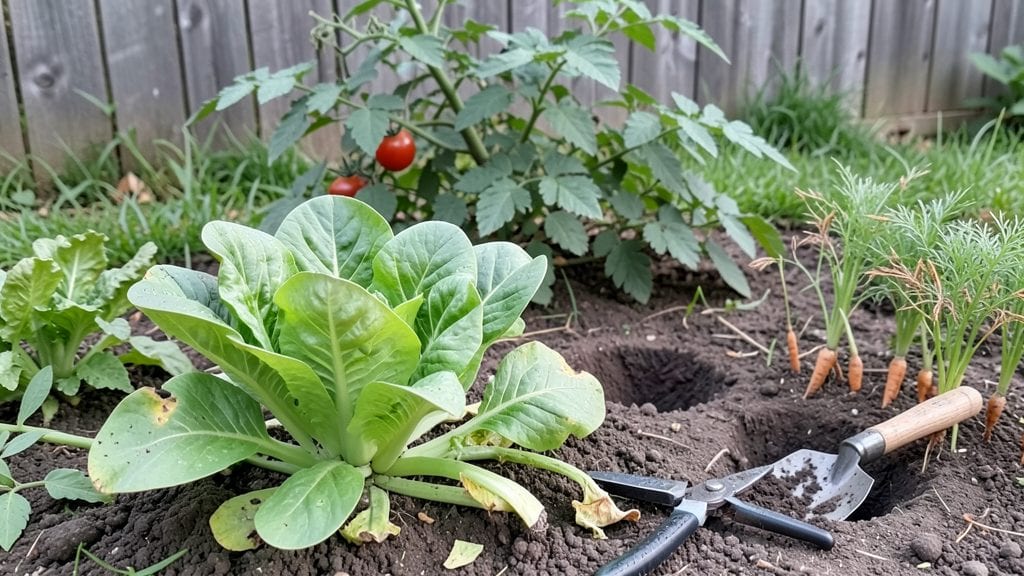
A victory garden definition centers on homegrown vegetable plots designed to supplement food supplies during shortages, especially during World War I and World War II when they became a patriotic symbol for national food security. These gardens reduced dependence on commercial sources while building community resilience.
A victory garden isn't just about growing food—it's about reclaiming control over what you eat. 🌱 During wartime, these plots became a way for families to contribute directly to the war effort by conserving resources, like meat and grains, for soldiers.
Even today, they're making a comeback as people prioritize sustainability and food independence. The concept proves that even small plots can make a big impact when combined with smart planning and community effort.
What's fascinating is how these gardens evolved from wartime necessity into a modern movement. Many urban gardeners now use vertical spaces or container gardening to grow fresh produce in limited areas.
The core idea remains the same: grow what you need, reduce waste, and build resilience—whether for national security or personal preparedness.
💡 In This Article
- Origins and Evolution of Victory Gardens
- Modern Victory Gardens: How to Start Yours
Origins and evolution of victory gardens
The concept of victory gardens first took root during World War I when food shortages threatened American families.
The U.S. government launched the first official campaign in 1917, urging citizens to grow their own vegetables to free up commercial supplies for troops. Charles Lathrop Pack, a journalist and gardening advocate, coined the term "victory garden" to inspire patriotism through home gardening.
By 1918, nearly 5 million gardens were producing 40% of the nation's fresh produce, demonstrating how citizen efforts could directly impact wartime logistics. 🌱
World War II saw victory gardens reach unprecedented scale, with 20 million gardens producing 40% of all vegetables consumed in the U.S. The government distributed 15 million seed packets and published gardening guides featuring 100+ crop varieties, from tomatoes to potatoes.
First Lady Eleanor Roosevelt even planted a 2,000-square-foot garden at the White House, setting a national example. The Victory Garden Program became a cultural phenomenon, with families competing to grow the largest zucchini or most abundant harvest.
This era proved that homegrown food wasn't just practical—it was a powerful symbol of national unity.
What made victory gardens so effective was their dual purpose: they conserved resources while boosting morale. By growing 25-30 pounds of produce per garden annually, families reduced demand on strained supply chains.
The psychological impact was equally significant—gardening provided a tangible way to contribute to the war effort, even for those unable to serve in combat. Post-war, these gardens faded as commercial agriculture resumed, but their legacy lived on in suburban gardening culture. 💫
The modern revival began in the 1970s with energy crises and 1990s urban farming movements, but today's victory gardens differ in key ways. Contemporary versions focus on sustainability—using compost, rainwater collection, and heirloom seeds—while maintaining the original goal of food self-sufficiency.
Urban gardeners now use vertical planters and hydroponics to maximize space, proving the concept adapts to modern challenges. The core principle remains unchanged: grow your own food to build resilience, whether for national security or personal preparedness.
One fascinating evolution is the data-driven approach today's gardeners use. Apps like Gardenate calculate planting zones and harvest times with precision, while community gardens now track yields to demonstrate their impact. For example, a 100-square-foot urban garden can produce 600+ pounds of food annually—enough to feed a family for months.
This modern efficiency mirrors the wartime spirit of maximizing every square foot of growing space. 🌿
The cultural impact of victory gardens extends beyond food production. During both world wars, they fostered community through shared labor and harvests, while today they address food deserts and climate change. Organizations like American Community Gardening Association now connect urban gardeners with resources, proving the concept's enduring relevance.
Whether for patriotism, sustainability, or self-reliance, victory gardens remain a testament to how small-scale agriculture can create big change. 💛