
Vegetables
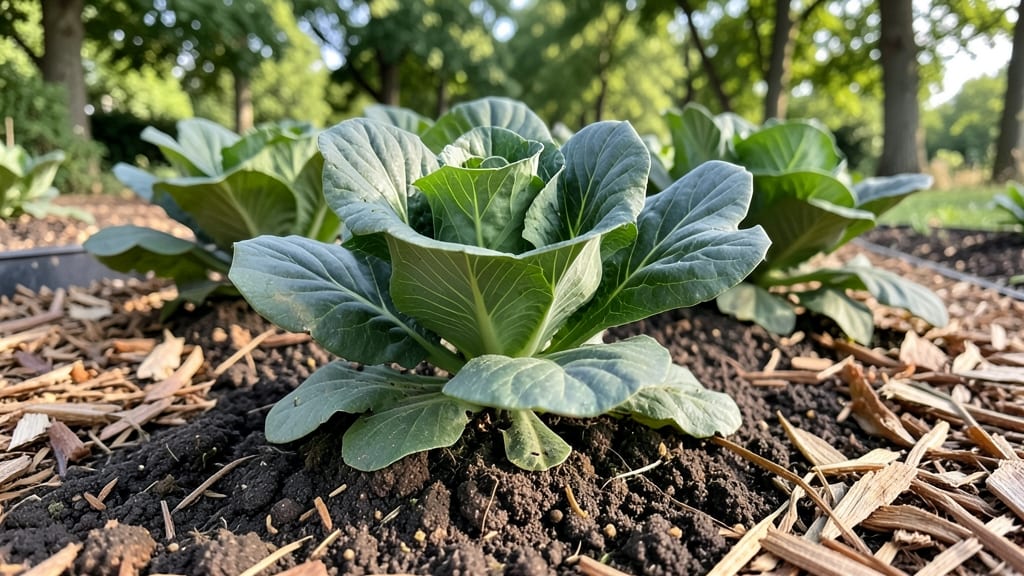
Vegetable gardening in Colorado transforms the state’s dramatic climate swings—freezing nights, intense sun, and unpredictable hail—into reliable harvests with the right varieties and timing. 🌱 The key is matching crops to microclimates: Front Range gardeners can plant spinach in early March, while Western Slope growers wait until late April when the soil finally warms.
Cold-hardy crops like kale, peas, and broccoli thrive here with minimal fuss, while tomatoes and peppers demand extended seasons—think cold frames or row covers for early starts.
My first year, I lost half my pepper plants to late frosts, but now I swear by heat-tolerant varieties like 'NuMex Sandia' and 'Arkansas Traveler' tomatoes, which handle our 90-degree days without wilting.
Alkaline soils and dry winds are the real villains, but amending beds with compost and mulching heavily keeps moisture where it belongs. Even in drought years, my Swiss chard and bush beans stay productive because they’re adapted to Colorado’s thin air and rocky soil.
The payoff? Fresh greens by May, tomatoes by August, and storage crops like carrots lasting through winter.
Local resources like CSU Extension’s plant hardiness maps and county-specific frost dates make this easier than ever.
Whether you’re on the Front Range or the Western Slope, the right varieties and a little extra protection turn Colorado’s growing season into a foolproof harvest machine—no matter what Mother Nature throws at you.
📚 In This Guide
- What you need
- Instructions
- Tips and common mistakes
- Wrapping up and next steps
What you need
- ● Garden Space: At least 100 sq. ft. (e.g., raised beds, in-ground plots, or containers). Colorado’s short growing season favors raised beds for better drainage and warmth.
- ● Soil: 1–2 cubic yards of high-quality, well-draining garden soil (amend with compost if your native soil is clay-heavy). Aim for a pH of 6.0–7.0.
- ● Compost: 2–3 cubic feet per 100 sq. ft. to enrich soil with nutrients.
- ● Seeds or Seedlings: Choose cold-hardy varieties like: Lettuce, spinach, kale (direct-sow in early spring)
- ● Peas, radishes, carrots (fast-growing and frost-tolerant)
- ● Potatoes, cabbage, broccoli (plant in late spring after last frost)
- ● Watering Supplies: Hose with adjustable nozzle or drip irrigation system (critical for Colorado’s dry air).
- ● Water storage (5–10 gallons) for consistent moisture.
- ● Basic Tools: Trowel (for planting seeds)
- ● Garden fork (to aerate soil)
- ● Pruners (for harvesting and trimming)
- ● Gloves (to protect hands from thorns/soil)
- ○ Optional (But Helpful!): Soil thermometer (to monitor planting times)
- ● Row covers or frost cloth (for extending the season)
- ● Trellis or stakes (for vining plants like peas or cucumbers)
- ● Wheelbarrow (for hauling soil/compost)
- ● Know Your Zone: Colorado spans Zones 4–7. Check your USDA Plant Hardiness Zone to time plantings correctly.
- ● Sunlight: Ensure your garden gets 6–8 hours of direct sun daily (south-facing spots work best).
- ● Local Regulations: Verify if your area requires permits for raised beds or irrigation systems.
- ● Patience: High-altitude gardens grow slower—plan for a shorter but productive season!
Instructions for planting a thriving Colorado vegetable garden
Colorado’s high-altitude climate demands smart planning—here’s how to grow cold-hardy vegetables that thrive despite our unique conditions.
🌱 Step 1: Choose the Right Planting Window
Start seeds indoors 6-8 weeks before your last frost date—typically mid-April for most of the state. Colorado’s short growing season means you’ll want to focus on cold-tolerant varieties like broccoli, cabbage, kale, peas, and spinach, which handle our chilly springs and early falls. For heat-loving crops like tomatoes and peppers, wait until after Memorial Day when soil temperatures reach at least 60°F—any earlier and roots won’t warm up properly.
Use a planting calendar tailored to your specific elevation (Front Range vs. Western Slope). I like to mark my calendar with first frost dates (usually late September to early October) and count backward to determine when to sow each crop. For example, radishes can be direct-sown as early as March, while squash needs to wait until mid-May when nighttime temperatures stay above 50°F.
🪴 Step 2: Prepare Soil for High-Altitude Success
Colorado’s thin, alkaline soil needs amendments to support heavy feeders like tomatoes and corn. Mix 2-3 inches of compost into the top 6 inches of soil before planting, and add 1 cup of 5-10-10 fertilizer per 100 square feet to boost early growth. If your soil is particularly rocky or clay-heavy (common in the Western Slope), incorporate sand or perlite to improve drainage—waterlogged roots are a major issue at our elevations.
Test your soil’s pH—most Colorado gardens run alkaline (7.5-8.5), which locks out nutrients like iron and manganese. If needed, lower pH with elemental sulfur (apply 2-4 pounds per 100 sq ft in fall) or use acid-loving plant mixes for blueberries and potatoes. I always do a simple at-home test before planting to avoid guesswork.
☀️ Step 3: Optimize Sun and Wind Protection
Most Colorado gardens get intense sunlight, but afternoon winds (especially in the mountains) can stress young plants. Use windbreaks like tall sunflowers, cornstalks, or even burlap screens on the north side of beds. For high-value crops like peppers and eggplants, I recommend row covers during late spring to shield them from 25+ mph gusts that can snap stems.
Position heat-sensitive crops (like lettuce) in partial shade during June and July—our 90°F+ days can bolt greens in days. Instead of full sun, aim for morning light + afternoon shade from a 4-foot-tall trellis or lattice. You’ll notice leaves stay crisp and growth stays steady rather than wilting by noon.
💧 Step 4: Master Watering in a Dry Climate
Colorado’s low humidity and high winds mean water evaporates twice as fast as in coastal regions. Use drip irrigation or soaker hoses to deliver 1-1.5 inches of water per week directly to the soil—not the leaves. I set up a self-watering system with timers to avoid missed waterings, which can cause blossom-end rot in tomatoes or wilting in peppers.
Mulch heavily (3-4 inches of straw or wood chips) to retain moisture and regulate soil temperature. In July and August, I double-check soil moisture by sticking my finger 2 inches deep—if it’s dry, water deeply. Shallow watering encourages weak root systems that can’t handle our dry spells. For container gardens, use self-watering pots to prevent drying out.
✂️ Step 5: Extend the Season with Smart Techniques
Colorado’s short growing season means fall and spring crops are key. Use row covers to push harvests into October or start cool-season crops in late August for early spring harvests. I plant spinach and kale under floating row covers in mid-September—they’ll survive 20°F nights and keep producing until Christmas if protected.
For warm-season crops, try black plastic mulch to warm soil faster in spring. Lay it down 2-3 weeks before planting to raise soil temps by 5-10°F, which helps tomatoes and peppers germinate faster. You’ll see faster emergence and stronger seedlings compared to planting into cold ground.
Tips & tricks for perfect Colorado vegetable gardening
Colorado’s unique climate requires careful planning—here’s how to maximize your garden’s potential with these essential tips.
Elevation-Specific Planting: Colorado’s elevation varies dramatically, and so do planting windows. For the Front Range (5,000-7,000 ft), stick to the 6-8 week indoor start for cold-hardy crops, but adjust for higher elevations. Above 8,000 ft, extend your indoor start to 8-10 weeks to account for cooler temperatures. I’ve found that spinach and kale can tolerate 20°F nights when planted in mid-September with row covers, pushing harvests well into winter.
Soil pH Precision: Colorado’s naturally alkaline soil (pH 7.5-8.5) often needs adjustment. For acid-loving plants like blueberries and potatoes, test your soil first—if pH is above 6.0, apply elemental sulfur (2-4 lbs per 100 sq ft) in fall. For most vegetables, aim for pH 6.0-7.0. I use a simple at-home test kit to avoid guesswork, and I’ve seen tomatoes and peppers thrive when soil pH matches their ideal range.
Wind Protection Hacks: Colorado’s afternoon winds (especially in mountain regions) can devastate young plants. Beyond traditional windbreaks, I’ve had success with burlap screens on the north side of beds—they’re affordable and effective. For high-value crops like peppers and eggplants, use row covers during late spring to shield from 25+ mph gusts. Even a 4-foot-tall trellis can create a microclimate that reduces wind stress by 30%.
Watering Strategy: Colorado’s dry climate means water evaporates twice as fast as in coastal regions. The 1-1.5 inch weekly rule is a great starting point, but I’ve found that deep watering (2 inches at a time) encourages stronger root systems. Use a soaker hose or drip irrigation to deliver water directly to the soil—this prevents fungal issues from wet foliage. In July and August, I check soil moisture by sticking my finger 2 inches deep; if it’s dry, it’s time to water.
Pro Tips for Vegetable Gardening In Colorado
- Colorado’s unique climate requires careful planning—here’s how to maximize your garden’s potential with these essential tips.
- Elevation-Specific Planting: Colorado’s elevation varies dramatically, and so do planting windows.
- Soil pH Precision: Colorado’s naturally alkaline soil (pH 7.5-8.5) often needs adjustment.
Frequently asked questions
Got questions about growing veggies in Colorado’s unique climate? You’re not alone! Here are answers to the most common queries—from frost dates to soil secrets—so you can garden with confidence.
When is the best time to plant vegetables in Colorado?
Colorado’s high-altitude growing season varies by region. For most areas, start cool-season crops (like spinach or peas) 4–6 weeks before your last frost date (typically late April–early May). Warm-season veggies (tomatoes, peppers) need to wait until after the last frost (usually late May–June). Check your local frost dates for precision!
How do I protect my garden from late spring/fall frosts?
Use row covers, cloches, or cold frames to shield tender plants. For seedlings, try straw mulch or black plastic to insulate soil. If frost is forecasted, water plants deeply the night before—it releases heat as it freezes. Hardy varieties (like ‘Colorado State’ potatoes or ‘Black Krim’ tomatoes) also bounce back better!
What’s the best way to water high-altitude vegetable gardens?
Colorado’s dry air and thin soil mean deep, infrequent watering is key. Use drip irrigation or soaker hoses to deliver water at the roots (avoid overhead sprinklers to prevent disease). Water in the early morning to reduce evaporation. Pro tip: Let your finger check soil moisture—if the top 1–2 inches are dry, it’s time to water!
What pests should I watch for in Colorado gardens?
Common culprits include Colorado potato beetles, cabbage worms, and aphids. Handpick pests early, use neem oil or insecticidal soap for mild infestations, and encourage beneficial insects like ladybugs. Prevention tip: Rotate crops yearly and remove debris to disrupt pest life cycles.
Can I grow vegetables in containers or raised beds in Colorado?
Containers and raised beds thrive in Colorado’s climate—they warm up faster in spring and drain well in our dry summers. Choose deep containers (at least 12 inches) for root crops like carrots or potatoes. Fill with a mix of compost, peat moss, and perlite for optimal drainage. Bonus: Mobile containers let you chase sunlight in shady spots!
Wrapping up and next steps
Growing a thriving vegetable garden in Colorado’s high-altitude climate is absolutely doable—and incredibly rewarding! 🌱 By choosing cold-hardy varieties, preparing your soil, and timing your plantings wisely, you’ll harvest fresh, homegrown produce that rivals any store-bought option.
Whether you’re a beginner or a seasoned gardener, the key is adaptation and patience.
Ready to dive in? Start small—pick one or two crops to test this season, then expand as you gain confidence. Your future self (and your taste buds!) will thank you. Happy gardening! 🌿