
Vegetables
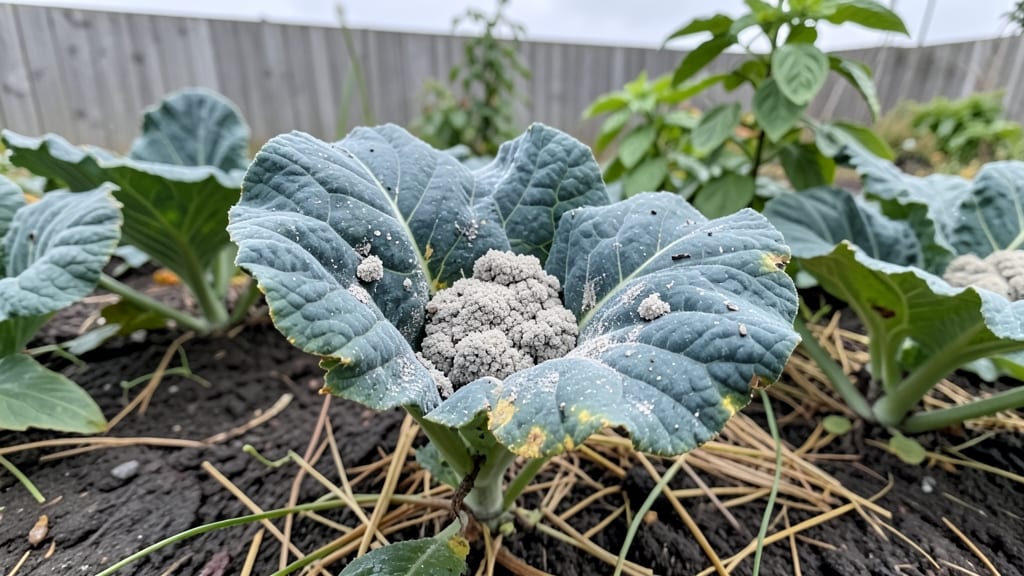
Vegetable garden fungus can turn your hard work into a sad, spotted mess—unless you act before it spreads. 🌱 I’ve lost entire tomato harvests to blight, but these preemptive sprays saved my next season, and they’ll work for you too.
The key isn’t just treating symptoms; it’s stopping the spores before they even get a foothold.
Most gardeners wait until they see brown spots or fuzzy white growth to panic, but by then it’s too late. Instead, focus on 3 simple preventative sprays—neem oil, copper fungicide, and baking soda mixtures—that create an invisible shield.
They’re easy to mix, safe for edibles, and work even in humid climates where fungus thrives. Think of them as armor for your plants.
With these sprays, you’ll watch your tomatoes, cucumbers, and peppers stay vibrant and disease-free all season. No more wilting leaves or rotting roots—just healthy, productive plants that keep giving. The best part? You can spray once a week during peak fungus season and forget about it.
Works for both organic and conventional gardens, and adapts to any vegetable—just adjust the spray schedule based on your local humidity. Here’s how to make them work for your garden’s specific needs.
Root Causes Of Garden Fungi
Fungal outbreaks in your vegetable garden aren’t just random bad luck—they’re the result of specific conditions that fungi love to exploit. Understanding these triggers is the first step to stopping them before they spread. Let’s break down the real culprits behind fungal growth in your garden beds.
Fungi thrive in moisture-rich environments, and your garden can become their perfect breeding ground if:
- Poor drainage leaves soil soggy for days after rain.
- Overhead watering (especially in the evening) keeps leaves damp overnight.
- Thick mulch or dense plantings trap humidity at soil level.
Why it happens: Fungal spores need free water to germinate. When leaves or soil stay wet for more than 6–12 hours, spores activate and infect plants. Common offenders like downy mildew and powdery mildew rely on this moisture to spread rapidly.
Actionable fix:
- Water early in the day so foliage dries by sunset.
- Use drip irrigation instead of sprinklers to keep leaves dry.
- Space plants for better airflow (fungi hate dry conditions!).
Fungi grow fastest in warm, humid conditions (ideal range: 60–85°F with high humidity). Heat alone won’t cause fungus, but when combined with moisture, it creates a fungal explosion.
Why it happens:
- High nighttime humidity (above 70%) prevents evaporation, keeping spores active.
- Sudden temperature shifts (like cool nights after hot days) stress plants, making them more susceptible.
- Tropical climates or summer heatwaves accelerate spore growth.
Actionable fix:
- Shade vulnerable plants (like tomatoes or cucumbers) with row covers during peak heat.
- Prune for airflow—remove crowded or dead foliage to reduce humidity pockets.
- Avoid late-season planting of susceptible crops (e.g., squash in muggy summers).
Stagnant air = fungal paradise. When plants are too close together, spores linger and multiply unchecked.
Why it happens:
- Dense plantings (e.g., lettuce or basil too tightly packed) trap moisture.
- Tall, leafy plants (like corn or sunflowers) block wind, creating still, humid microclimates.
- Weeds or debris under plants hold moisture and spores.
Actionable fix:
- Follow spacing guidelines (check seed packets for ideal distances).
- Thin seedlings early to prevent overcrowding.
- Remove plant debris (especially after harvest) to break fungal cycles.
Stressed plants can’t fight off fungi. Common stressors include:
- Nutrient deficiencies (e.g., low nitrogen or phosphorus).
- Physical damage (from pests, hail, or rough handling).
- Improper watering (drought followed by sudden soaking).
Why it happens: Fungi like root rot and early blight attack plants that are already struggling. A weak plant’s cuticle (protective layer) breaks down, giving spores easy entry.
Actionable fix:
- Fertilize properly—use balanced organic fertilizers (like compost tea) to boost immunity.
- Hardening off seedlings before transplanting reduces shock.
- Mulch with straw or wood chips to protect roots and retain even moisture.
Fungal spores can survive in soil for years or hitchhike on dirty tools, spreading to new plants.
Why it happens:
- Old compost or manure may contain dormant spores (especially if not fully decomposed).
- Reusing infected plant debris as mulch or compost.
- Sharing or borrowing tools (pruners, trowels) without sterilizing them.
Actionable fix:
- Solarize soil in late summer (cover with clear plastic for 4–6 weeks to kill spores).
- Sterilize tools with rubbing alcohol or a 10% bleach solution between uses.
- Avoid composting diseased plants—toss them in the trash instead.
Growing the same crop year after year in the same spot exhausts soil and invites fungal specialists.
Why it happens:
- Pathogens adapt to specific hosts (e.g., Verticillium wilt targets tomatoes, peppers, and eggplants).
- No crop rotation means fungi build up in the soil over time.
Actionable fix:
- Rotate crops annually (e.g., tomatoes → beans → brassicas).
- Plant fungicide-tolerant varieties (e.g., ‘Defiant PhR’ ph tomatoes resist late blight).
- Interplant susceptible crops with resistant ones (e.g., basil near tomatoes deters some fungi).
Quick Fixes for Fungal Woes
Fungal infections in your vegetable garden can feel like a losing battle—until you know the right moves. The good news? Most issues have simple, effective solutions if you act fast.
Below, we’ve matched common causes to proven fixes, plus tips to keep your garden thriving long-term. Think of this as your fungus-fighting playbook—no fancy tools or chemicals required!
Fungi love dampness, so if your plants are wilting or covered in fuzzy spots, excess moisture is likely the culprit. Here’s how to dry things up:
🔥 Immediate Action
- 👨🍳 Prune affected leaves (but don’t compost them—toss in the trash to stop the spread).
- ⏰ Space out watering: Water in the morning so foliage dries by night. Use a soaker hose or drip irrigation to avoid wetting leaves.
- 🌡️ Improve airflow: Thin out crowded plants and stake vines (like tomatoes or cucumbers) to let air circulate.
💡 Prevention Tips
- ✨ Mulch lightly: Use straw or wood chips (2–3 inches thick) to retain moisture without smothering plants.
- 🎯 Avoid overhead watering: Skip sprinklers—they turn leaves into fungus magnets.
- 🔥 Elevate containers: If growing in pots, ensure they have drainage holes and saucers underneath to catch excess water.
Compacted soil traps moisture and blocks roots, creating the perfect fungus party. Fluffy soil = happy plants!
🔪 Dig In the Right Way
- 🍳 Test your soil: Stick a screwdriver in—if it won’t go past 2 inches, it’s time to loosen up.
- 🌱 Add organic matter: Mix in compost or aged manure (1–2 inches deep) to improve drainage.
- 🔥 Use a broadfork: Gently fork the top 6–8 inches of soil to break up compaction without disturbing roots.
💡 Prevention Tips
- 🎯 Walk carefully: Avoid stepping on garden beds, especially when soil is wet.
- 🌡️ Plant cover crops: Clover or vetch in the off-season adds organic matter naturally.
- ✨ Avoid heavy tools: Use a hoe or hand fork instead of a tiller, which can compact soil further.
Stressed plants (from over-fertilizing, poor soil, or pests) are fungus magnets. Strengthen them to fight back!
💪 Nutrient Fixes
- 📊 Balance your fertilizers: Too much nitrogen = weak, sappy growth. Switch to a low-nitrogen, high-phosphorus fertilizer (like 5-10-10) to build roots.
- 🥗 Feed the soil, not just the plants: Add kelp meal or fish emulsion for natural immunity-boosting nutrients.
- 🍎 Crop rotation: Don’t plant the same veggies in the same spot yearly—fungi like tomatoes or peppers will linger in the soil.
💡 Prevention Tips
- 🔥 Mulch with nitrogen-free options: Use straw or leaf mold instead of fresh grass clippings (which can burn plants).
- 🎯 Water deeply but less often: Encourages strong root systems that resist disease.
- ✨ Solarize the soil: In hot climates, cover soil with clear plastic for 4–6 weeks to kill fungus spores before planting.
If you’ve spotted powdery mildew, blight, or rust, act fast with these non-toxic sprays:
🍳 DIY Fungicide Recipes
| Problem | Spray Solution | How Often |
|---|---|---|
| Powdery Mildew | 1 tbsp baking soda + 1 quart water + few drops dish soap | Every 7–10 days |
| Early Blight | 1 cup milk + 1 gallon water | Weekly until symptoms fade |
| General Fungus | 2 tbsp neem oil + 1 tsp soap + 1 gallon water | Every 5–7 days (rotate crops) |
💡 Pro Tips for Spraying
- 🌡️ Apply in the morning on dry leaves for best absorption.
- 🎯 Cover both sides of leaves—fungi hide on the undersides!
- ✨ Reapply after rain—water washes sprays away.
- 🔥 Rotate treatments: Don’t rely on one spray; mix up your defenses.
Remember: The key to beating garden fungus is prevention. Stay vigilant, keep your garden airy and dry, and your veggies will stay healthy—and delicious! For stubborn cases, combine these fixes with preventative sprays mentioned earlier in the article.
Frequently asked questions about vegetable garden fungal issues
How do I tell if my plants have fungus, not just normal stress?
Look for distinctive signs: fuzzy white or gray growth (powdery mildew), dark spots with yellow halos (early blight), or mushy stems (root rot). Fungal infections often appear on both leaf surfaces and spread quickly in damp conditions. Unlike stress, fungal damage rarely affects just the tips—it targets entire leaves or stems.
Can I use coffee grounds to prevent fungus in my garden?
Yes! Coffee grounds are naturally antifungal when used as mulch (1–2 inches thick). The caffeine and acidic compounds inhibit spore growth. Mix them with compost or spread directly around plants, but avoid overdoing it—too much can lower soil pH. Reapply every 2–3 weeks during peak fungus season for best results.
Why does fungus keep coming back even after I treat it?
Fungal spores can survive in soil for years, so single treatments rarely eliminate them. Focus on breaking the cycle: remove infected plants completely (don’t compost them), improve airflow, and rotate crops. Use preventative sprays like neem oil before symptoms appear, not just after—this stops spores from activating in the first place.
Are there any vegetables more resistant to fungus than others?
Leafy greens (kale, Swiss chard) and alliums (onions, garlic) are naturally more resistant due to their sulfur compounds. For tomatoes, choose disease-resistant varieties like ‘Defiant PhR’ or ‘Mountain Merit.’ Cucumbers and squash benefit from vertical growing (trellises) to improve airflow. Always check seed packets for fungus-resistant labels.
How soon after rain should I spray my plants for fungus prevention?
Wait 24–48 hours after rain to spray—this lets foliage dry completely and prevents diluting your treatment. For high-humidity areas, apply preventative sprays every 5–7 days during growing season. Morning is ideal: cooler temps reduce evaporation, and leaves stay dry longer. Always spray undersides of leaves where spores hide.