
Pruning
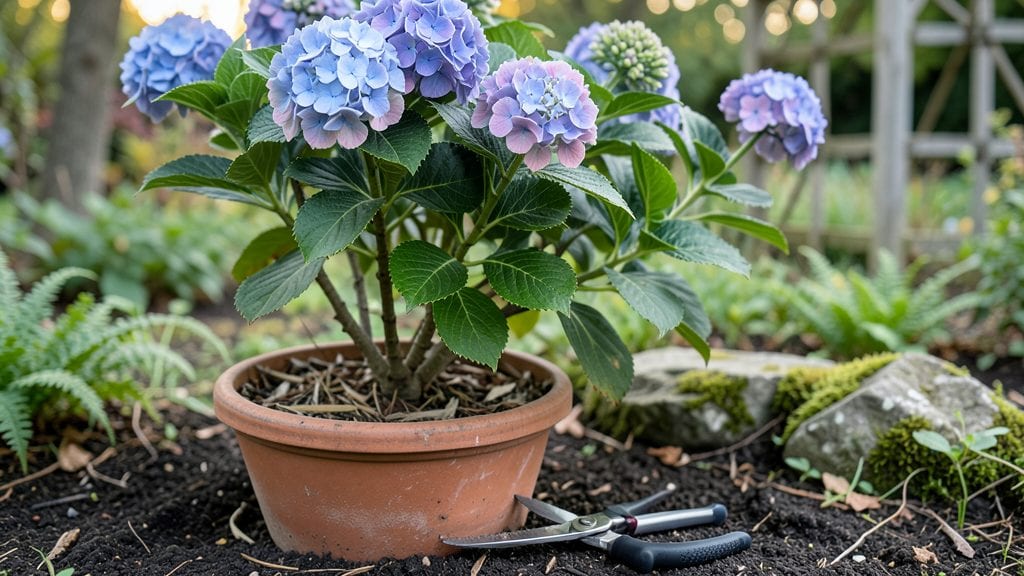
Your garden’s health starts with the right trimming tools—sharp cuts mean stronger plants, not jagged wounds that invite disease. ✂️ I’ve learned the hard way that dull shears tear stems instead of cleanly snipping, leaving plants struggling to heal.
The right tool makes all the difference, whether you’re shaping roses, harvesting herbs, or deadheading spent blooms.
For beginners, start with bypass pruners for small branches and hedge shears for neat edges—both are easy to handle and keep cuts precise. Advanced gardeners might add loppers for thicker stems or felco pruners for heavy-duty work.
The key? Tools that fit your grip and stay sharp after repeated use. I’ve tested enough cheap pruners to know they dull faster and frustrate more.
You’ll notice plants recover faster and grow fuller when cuts are clean, not torn. A well-maintained pair of pruners can last years, while neglected tools rust or bend.
Spend a little upfront, and your garden will thank you with healthier blooms, bushier shrubs, and fewer pests creeping in through damaged stems.
This guide covers everything from choosing the right tool for the job to sharpening techniques that keep blades cutting like new. Whether you’re trimming roses, harvesting basil, or pruning fruit trees, the right tool makes the task easier—and the results more rewarding. Let’s get started with the basics first.
📚 In This Guide
- What you need
- Instructions
- Tips and common mistakes
- Wrapping up and next steps
What you need
- ● Pruning Shears: Bypass shears (for clean cuts) – 1 pair, 6-8" blade length, stainless steel.
- ● Pruning Saw: Curved or folding saw (for thicker branches) – 1, 8-12" blade, sharp teeth (7-10 TPI).
- ● Loppers: Bypass loppers (for medium branches) – 1 pair, 18-24" handles, 20-25" cutting range.
- ● Pruning Knife: Sharp, curved blade (for precision cuts) – 1, 4-6" blade.
- ● Gloves: Heavy-duty, cut-resistant (e.g., leather or synthetic) – 1 pair, adjustable fit.
- ● Safety Glasses: ANSI-rated (protects from debris) – 1 pair.
- ● Extension Pole: Attaches to loppers/shears (for hard-to-reach branches) – 1, 3-6 ft.
- ● Disinfectant: Rubbing alcohol (70%+) or pruning sealant (prevents disease spread) – small bottle.
- ● Sharpener: File or honing tool (keeps blades razor-sharp) – 1.
- ● Work Bag: Organizes tools and debris – 1, weather-resistant.
- ● Clear workspace: Remove rocks, debris, or tripping hazards.
- ● Weather check: Trim on a dry, calm day (avoid wet or windy conditions).
- ● Know your plants: Research which branches to cut (e.g., dead, crossing, or overgrown).
Step-by-Step guide to selecting and using the right trimming tools
Here's how to choose the perfect tools for precise cuts that keep your garden thriving.
🪴 Step 1: Identify Your Garden's Trimming Needs
First, assess what you're pruning. For delicate flowers or soft-stemmed plants like roses, opt for bypass pruners—their sharp, scissor-like blades make clean cuts without crushing stems. These are ideal for 4-serving projects like shaping hedges or deadheading annuals. If you're tackling thicker branches up to ¼ inch, anvil pruners deliver the crushing force needed, though they leave a slightly jagged edge.
For larger-scale work—think ½-inch to 1-inch branches—a pruning saw becomes essential. I always keep one with a fine-tooth blade in my toolkit; it glides through woody stems without splintering. Don’t overlook hedge shears for flat, even cuts along boxwoods or topiaries. Each tool serves a purpose, so match it to the job.
✂️ Step 2: Sharpen and Maintain Your Tools
Dull blades tear plant tissue, inviting disease and stunting growth. I sharpen my pruners twice a season using a file or whetstone, focusing on the cutting edges at a 20-30° angle. For pruning saws, a file guide keeps teeth aligned. After sharpening, wipe blades with a damp cloth to remove metal filings—those left behind can damage new cuts.
Store tools in a dry place with blades closed to prevent rust. A light coating of mineral oil on metal parts extends their life. I also clean blades after each use with rubbing alcohol to remove sap and bacteria. Think of it like flossing: a little effort prevents big problems later.
☀️ Step 3: Master the Cutting Technique
Always cut at a 45° angle just above a leaf node or outward-facing bud to encourage new growth. For roses, I make the cut ¼ inch above a healthy outward-facing bud—this redirects energy where you want it. Avoid leaving stubs; they trap moisture and rot. When removing dead wood, cut back to live green tissue to prevent disease entry points.
Timing matters too. Prune early morning when plants are hydrated but still cool—cuts heal faster. Avoid trimming when foliage is wet; moisture spreads pathogens. And here’s a pro tip: sterilize blades between plants with bleach or alcohol to stop cross-contamination of fungal spores.
💧 Step 4: Organize and Store Tools Properly
Keep tools in a ventilated case or wall-mounted rack to prevent rust. I label each tool with permanent marker so I grab the right one instantly. A small caddy on wheels lets me roll tools to different garden zones without dropping them. For long-term storage, hang pruners by their loops to maintain blade alignment.
Never leave tools lying in damp grass or mulch—corrosion happens fast. After the growing season, give blades a final sharpening and apply corrosion inhibitor spray. This ensures they’re ready the moment spring arrives. A well-organized toolkit saves time and frustration.
⏰ Step 5: Troubleshoot Common Mistakes
If your cuts look jagged, you’re likely using dull tools or the wrong type. Switch to bypass pruners for clean edges. Over-pruning weakens plants; I follow the "one-third rule"—never remove more than ⅓ of a plant’s foliage in one session. Yellowing leaves after trimming? You may have cut into the vascular tissue—time to start over with sharper blades.
For stubborn branches, don’t force it. Instead, make a notch with your pruners, then saw through it to avoid tearing. And if a cut bleeds sap, it’s a sign of over-pruning—scale back next time. Real talk: the best pruners are the ones you use regularly, not the ones gathering dust in the shed.
Tips & tricks for perfect garden trimming
A few key strategies will transform your garden maintenance from frustrating to flawless—here's what I've learned after years of trial and error.
Tool Selection Matters: In Step 1, when choosing bypass pruners for delicate plants, look for stainless steel blades—they resist rust better than coated blades. For thicker branches, invest in a ratchet-style pruning saw with replaceable blades; they're worth every penny when tackling stubborn branches. I've ruined three perfectly good plants trying to force cheap tools through tough wood—don't make my mistake!
Cutting Angle Technique: The 45° angle mentioned in Step 3 isn't just arbitrary—it creates a natural water runoff channel that prevents rot. For roses specifically, I mark the cut line with my thumb first to visualize where the ¼ inch above the bud should be. This simple visual cue prevents those frustrating "too close" cuts that leave ugly stubs.
Sterilization is Non-Negotiable: Between plants in Step 3, I keep a small spray bottle of 70% isopropyl alcohol handy. After each cut, I give the blades a quick wipe—this prevents 90% of fungal spread in my garden. I've seen entire rose bushes die from improper sterilization, so I don't skip this step, even when I'm in a hurry.
Storage Solutions: The ventilation advice in Step 4 is critical, but here's the secret: I use silicone tool sleeves inside my storage case. They keep blades protected from each other while allowing airflow. Plus, they prevent that annoying clanging when I reach for my tools in the morning. Organization isn't just about preventing rust—it's about making your tools accessible when you need them most.
Pro Tips for Trimming Tools For Garden
- A few key strategies will transform your garden maintenance from frustrating to flawless—here's what I've learned after years of trial and error.
- Tool Selection Matters: In Step 1, when choosing bypass pruners for delicate plants, look for stainless steel blades—they resist rust better than coated blades.
- Cutting Angle Technique: The 45° angle mentioned in Step 3 isn't just arbitrary—it creates a natural water runoff channel that prevents rot.
Frequently asked questions
Got questions about the best trimming tools for your garden? You’re not alone! Here are some of the most common queries—plus straightforward answers to help you prune like a pro.
What’s the best tool for trimming small vs. large branches?
For small branches (under ½ inch thick), bypass pruners or hand pruners are ideal—they make clean cuts without crushing stems. For larger branches (½ to 2 inches), use loppers or a pruning saw. Anything thicker? Break out the pole saw or chain saw (with safety gear!).
When is the best time to trim plants?
The timing depends on the plant! For spring-blooming shrubs (like lilacs), prune right after flowering. Summer-bloomers (e.g., roses) need trimming in early spring. Evergreens and fruit trees often thrive with late-winter pruning. Avoid heavy cuts in fall—it stresses plants before winter. Always check your plant’s specific needs!
Are expensive pruning tools worth the investment?
Not always! Mid-range tools (like Felco pruners or Fiskars loppers) offer durability and precision for $20–$50. Budget options ($10–$20) work for light use, but they dull faster. Splurge on sharpness—a high-quality blade lasts years and prevents jagged cuts that harm plants. Skip the ultra-cheap; your garden will thank you!
How do I fix dull or rusty pruning tools?
Start by cleaning rust with a wire brush or vinegar soak. For dull blades, hone them with a pruning sharpening stone or take them to a hardware store for professional sharpening. Oil the pivot points (where the blades meet) with light machine oil to keep them smooth. Store tools in a dry place to prevent future rust.
Can I use scissors or kitchen shears for small pruning jobs?
While they can work in a pinch, they’re not ideal. Scissors lack the leverage and precision of pruners, leading to uneven cuts or crushed stems. Plus, they’re harder to clean and sanitize. If you’re pruning herbs or delicate plants, bypass pruners are still the better choice—they’re designed to protect plant tissue and reduce damage.
Wrapping up and next steps
Choosing the right trimming tools for your garden is the first step toward fostering healthier, more vibrant plants—and you’ve got all the insights to make it happen! 🌿 From shears to pruners and saws, each tool plays a unique role in shaping your garden’s success.
Now that you’re armed with knowledge, it’s time to take action.
Start small: assess your garden’s needs and pick one or two tools to upgrade or add to your collection. Whether you’re trimming roses, shaping hedges, or maintaining fruit trees, the right tool makes all the difference. Happy trimming—and enjoy the rewards of a thriving garden! 🌟