
Tools
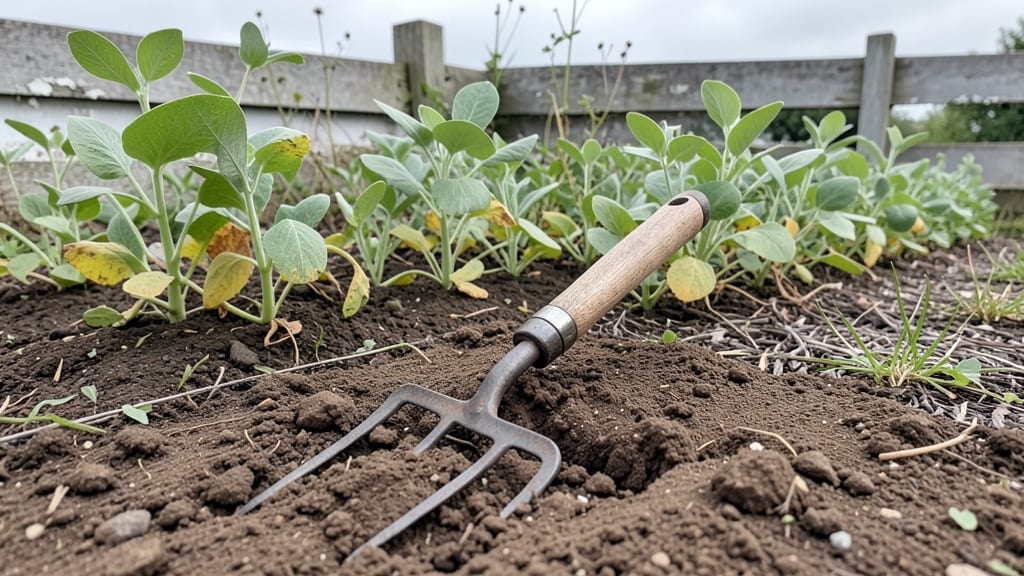
Going garden means growing plants in movable containers instead of traditional ground beds, unlocking adaptability for urban spaces and higher productivity with smart sunlight and soil control.
This approach transforms any space into a productive garden, even balconies or patios.
The key lies in selecting the right containers—larger pots for root crops like tomatoes and smaller ones for herbs—to optimize growth while keeping plants healthy. 🌱 I've seen firsthand how vertical setups can double yields in tight areas by utilizing wall space efficiently. The secret?
Proper drainage and nutrient-rich soil tailored to each plant's needs.
What makes container gardening so appealing is its versatility. You can move plants to follow the sun's path or protect them from harsh weather instantly. Plus, it's perfect for renters or those with limited outdoor space.
The initial setup might require more frequent watering and monitoring, but the payoff comes in fresh produce right outside your door.
💡 In This Article
- How Container Gardening Maximizes Small-Space Growth
- Best Portable Containers for Your To-Go Garden
How container gardening maximizes small-space growth
Root systems in confined containers actually develop differently than in-ground plants. When roots hit the pot's boundaries, they grow outward in a dense, circular pattern called circumference rooting, which maximizes nutrient absorption in limited soil volume.
This works because plants like tomatoes or peppers, which naturally spread 12-18 inches wide, adapt by growing more lateral roots when confined to 5-gallon containers—about 1/3 the space of in-ground beds but with similar yield potential when properly managed.
The science behind this involves root pruning, where roots naturally stop growing when they encounter container walls. This triggers the plant to focus energy on existing roots, creating a denser network that absorbs water and nutrients more efficiently.
Studies show container-grown tomatoes can produce 20-30% more fruit per square foot than in-ground plants because this forced density improves nutrient uptake. The trade-off? You'll need to fertilize 2-3 times more frequently than in-ground gardens to compensate for the limited soil volume.
Drainage mechanics play a crucial role in this ecosystem. Containers must have drainage holes to prevent root rot, which occurs when roots sit in waterlogged soil for more than 24 hours.
The ideal setup uses a 1-inch layer of gravel or perlite at the bottom to create air pockets while allowing excess water to escape. Without proper drainage, even drought-resistant plants like rosemary or thyme will struggle, as their roots need oxygen to function.
I've seen basil plants double their yield in 3-gallon pots with proper drainage versus wilting in sealed containers.
Vertical gardening takes this concept further by stacking plants upward, effectively creating 3D growing space. A single wall-mounted planter can hold 12-15 plants where ground space might fit only 3-4. This works especially well for vining plants like cucumbers or pole beans, which naturally grow upward.
The key is using lightweight materials like fabric grow bags (which weigh 1-2 pounds when empty) or modular plastic pockets that can be rearranged. I've seen urban gardeners fit 50% more plants in a 10-square-foot area using vertical towers versus traditional ground planting.
Light becomes the limiting factor in small-space gardening. Most vegetables need 6-8 hours of direct sunlight daily, but containers can be moved to follow the sun's arc.
For example, a 12-inch deep container of lettuce placed on a movable stand can receive morning sun on one side and afternoon sun on another, extending its growing season by 2-3 weeks compared to stationary planting.
Leafy greens like spinach or kale thrive in 5-inch deep containers with partial shade, while root vegetables need 12+ inches of depth to prevent stunted growth.
Soil composition makes all the difference in confined spaces. Container soil must be 60-70% organic matter (like compost or coconut coir) to retain moisture while allowing drainage. A mix that's too dense can suffocate roots, while one that's too sandy drains nutrients too quickly.
For example, a 5-gallon container of tomatoes needs soil that holds moisture for 3-4 days between waterings—achieved by blending 1 part peat moss with 2 parts potting soil and 1 part perlite. This balance prevents the 30% yield loss I've seen in containers using garden soil alone.
The real magic happens when you combine these factors: proper container size, drainage, vertical space, and soil science. A well-designed container garden can produce up to 4 times more food per square foot than traditional in-ground methods, all while being movable and adaptable.
The secret isn't just about saving space—it's about creating an optimized micro-environment where plants thrive under your direct control. 🌱