
Flowers
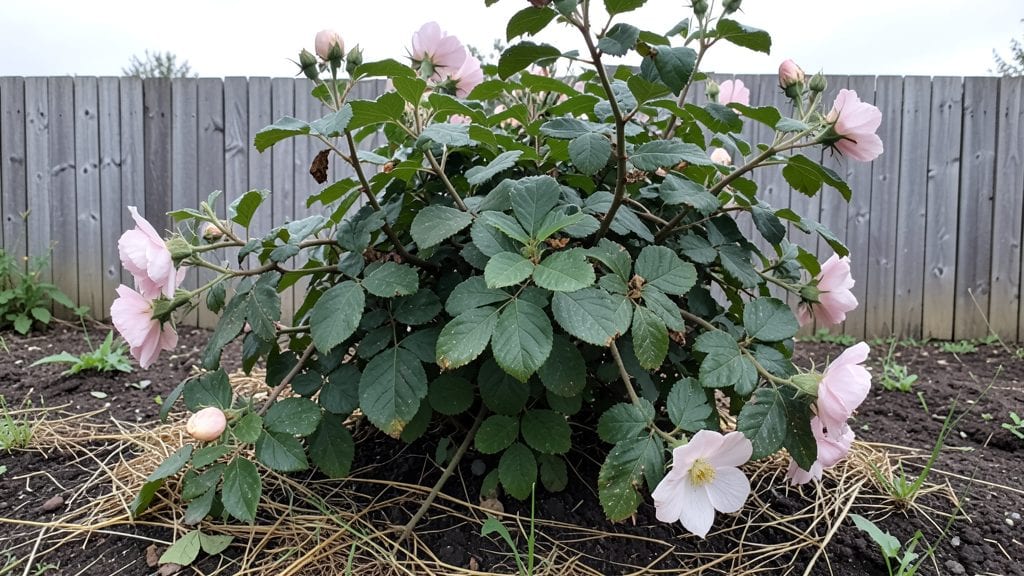
Thorny garden flowers create a living fortress that’s equal parts functional and breathtaking. ✨ I’ll never forget the first time I saw a pyracantha hedge heavy with berries—it stopped nosy neighbors and looked like a fairy-tale border.
These plants aren’t just prickly; they’re the backbone of low-maintenance privacy screens that bloom from spring to frost.
The best thorny beauties—like roses, barberry, and holly—combine sharp defenses with vibrant colors and wildlife benefits. They deter pests naturally, support birds with berries, and thrive in everything from formal hedges to wild cottage gardens.
My go-to trio? Rugosa roses for fragrance, pyracantha for year-round interest, and barberry for golden foliage contrast.
You’ll end up with a screen that’s both beautiful and impenetrable—no chain-link needed. The berries feed birds through winter, the thorns keep critters out, and the blooms attract pollinators all season. Plus, they handle neglect like champions, perfect for busy gardeners who still want drama.
Works in formal gardens, rustic borders, or even urban courtyards. Here’s how to pair them for maximum impact—without sacrificing style or function.
📚 In This Guide
- What you need
- Instructions
- Tips and common mistakes
- Wrapping up and next steps
What you need
- ● Thorny flowering plants (choose 2-3 varieties): 10-15 Rosa rugosa (Rugosa Rose) – Disease-resistant, fragrant, and thorny
- ● 5-8 Pyracantha (Firethorn) – Vibrant berries, evergreen, and dense
- ● 3-5 Berberis thunbergii (Japanese Barberry) – Spiny, compact, and low-maintenance
- ○ Optional: Goumi berry (Elaeagnus) or Hawthorn for extra texture
- ● Soil amendments (per 10 sq. ft.): 2-3 gallons compost (for nutrient-rich soil)
- ● 1 lb slow-release fertilizer (10-10-10 or organic option)
- ○ Optional: Sulfur (if soil is alkaline, for acid-loving plants like Pyracantha)
- ● Planting tools: 1 garden shovel (for digging)
- ● 1 hand trowel (for precision planting)
- ● 1 pruning shears (for shaping and maintenance)
- ● 1 measuring tape (to space plants 3-6 ft apart)
- ● Mulch (2-3 inches): Wood chips, pine straw, or shredded bark (to retain moisture and suppress weeds)
- ● Watering supplies: 1 hose with adjustable nozzle or drip irrigation kit
- ○ Optional: soaker hoses (for deep, slow watering)
- ● Erosion control fabric (for sloped areas)
- ● Plant supports (stakes or trellises for climbing roses)
- ● Organic pest control (neem oil or insecticidal soap)
- ● Garden gloves (thorn-proof if possible!)
- ● Decorative edging (stone, brick, or metal for a polished look)
Creating a stunning thorny flower privacy screen
Here's how to design a bold, low-maintenance barrier that thrives year-round with minimal pruning.
🌿 Step 1: Select the Right Thorny Varieties for Your Climate
Choose plants that match your hardiness zone and sunlight conditions. I recommend roses (like 'Knock Out' or 'Dr. Huey' varieties) for their dense growth and repeat blooms, pyracantha for its glossy leaves and vibrant berries, and honeysuckle for its fragrant summer flowers. These varieties create a natural, impenetrable barrier while offering seasonal interest.
For colder climates, opt for evergreen pyracantha or Russian olive—both tolerate down to zone 3 and maintain their structure year-round. In warmer zones, bougainvillea or thorny hibiscus add tropical flair while keeping intruders out. Space plants 3-5 feet apart to allow room for mature growth without overcrowding.
🪴 Step 2: Prepare the Planting Site for Optimal Growth
Clear the area of weeds and grass, then loosen the soil to a depth of 12 inches using a garden fork. Amend the native soil with 3 gallons of compost per 4-foot section to improve drainage and fertility—thorny plants hate soggy roots. If your soil is heavy clay, mix in 1 part perlite to every 3 parts soil to prevent compaction.
Dig holes twice as wide as the root ball but only as deep. Place each plant so the top of the root ball sits 1 inch above ground level—this prevents rot during heavy rains. Water each hole deeply before planting to settle the soil and encourage root spread.
☀️ Step 3: Plant and Stake for Structural Support
Carefully remove the plant from its container and tease the roots outward if they’re circling. Position the plant in the hole and backfill with native soil, pressing gently to eliminate air pockets. Install 3-foot stakes on either side of each plant and secure with fabric plant ties—this prevents wind damage and encourages upright growth.
Water deeply immediately after planting to help soil settle around the roots. Mulch the base with 2 inches of wood chips, keeping it 6 inches away from the stem to prevent rot. Thorny plants benefit from drip irrigation or soaker hoses to deliver water directly to the roots without wetting the foliage.
✂️ Step 4: Prune Strategically for Density and Bloom
Prune late winter or early spring before new growth begins. Remove dead, crossing, or inward-growing branches first to improve airflow and reduce disease risk. For roses, cut back one-third of the oldest canes to encourage new, vigorous growth. For pyracantha, trim sparse areas to maintain a full, lush appearance.
Shape the screen by trimming the outer edges to create a clean, tapered silhouette. Avoid heavy pruning in fall—this stimulates tender new growth that won’t survive winter. Fertilize lightly in early spring with a balanced 10-10-10 formula to support blooming and foliage growth.
💧 Step 5: Maintain Year-Round for Long-Term Privacy
Water deeply once a week during the first growing season to establish roots, then reduce to every 10-14 days once established—thorny plants are drought-tolerant once mature. Monitor for pests like aphids or spider mites, which thrive on new growth. Spray with neem oil at the first sign of infestation to protect leaves without harming beneficial insects.
In late fall, apply a 2-inch layer of mulch to insulate roots and retain moisture. For evergreens, shake off excess snow to prevent branch breakage. With minimal pruning and consistent care, your thorny screen will mature into a dense, impenetrable barrier within 3-5 years, offering both beauty and security.
Tips & tricks for perfect thorny garden flower privacy screens
A few strategic choices can transform your thorny privacy screen from good to extraordinary—here's what I've learned after designing screens in various climates.
Climate-Specific Selection: The varieties you choose in Step 1 make all the difference. For colder zones, I recommend evergreen pyracantha because it maintains its structure through winter and provides year-round interest. In warmer climates, bougainvillea's vibrant blooms create a stunning visual barrier while keeping intruders at bay. Don't overlook native varieties—they're already adapted to your local conditions and require less maintenance.
Soil Preparation Strategy: When preparing your planting site in Step 2, focus on drainage—thorny plants absolutely hate soggy roots. If your soil is particularly heavy clay, consider creating raised beds instead of amending in place. This gives you better control over drainage and prevents the compaction issues that can stifle root growth. The 12-inch depth for loosening soil is crucial for establishing strong root systems that can support mature plants.
Staking Technique: In Step 3, those 3-foot stakes are your secret weapon for creating a dense, upright screen. I've found that using two stakes per plant creates a more stable structure than one. For particularly windy areas, consider adding a third stake in the center for additional support. The fabric plant ties should be loose enough to allow some movement—this prevents girdling as the plant grows.
Pruning Precision: The timing in Step 4 is everything—late winter or early spring is when you want to prune before new growth begins. I've seen many gardeners make the mistake of pruning too late in spring, which can stimulate tender growth that won't survive winter. For roses specifically, cutting back one-third of the oldest canes creates space for new growth while maintaining the plant's vigor. Always use clean, sharp pruners to make clean cuts that heal properly.
Pro Tips for Thorny Garden Flowers
- A few strategic choices can transform your thorny privacy screen from good to extraordinary—here's what I've learned after designing screens in various climates.
- Climate-Specific Selection: The varieties you choose in Step 1 make all the difference.
- Soil Preparation Strategy: When preparing your planting site in Step 2, focus on drainage—thorny plants absolutely hate soggy roots.
Frequently asked questions
Got questions about thorny garden flowers?
Here are some of the most common ones—plus quick answers to help you grow a stunning, low-maintenance privacy screen with ease!
Are thorny flowers really hard to grow?
Not at all! Many thorny varieties like roses, barberry, or pyracantha are hardy and thrive with basic care—just full sun, well-draining soil, and occasional pruning. They’re actually low-maintenance once established, making them perfect for busy gardeners.
How long does it take for thorny plants to create a privacy screen?
Most thorny shrubs grow 1–3 feet per year, so a 6-foot-tall screen typically takes 2–3 years to fill out. Fast growers like Russian olive or hawthorn can reach privacy height in just 1–2 years! Patience pays off with dramatic results.
Will thorny plants hurt kids or pets?
While thorns deter intruders, most varieties (like roses or pyracantha) are pet-safe if non-toxic. Avoid oleander or holly near curious pets—opt for barberry or smartweed for a safer, still-prickly option. Always research before planting!
Can I mix thorny flowers with non-thorny plants?
Pair thorny shrubs (e.g., roses) with non-invasive perennials like lavender or salvia for texture and color. Just keep thorny plants 1–2 feet away to avoid damaging delicate roots. This combo adds height, color, and fragrance without sacrificing security.
How do I prune thorny plants safely?
Wear gloves and long sleeves! Use bypass pruners (not shears) to avoid crushing stems. Prune in late winter/early spring to shape the plant and encourage new growth. For dense thorns, thin out crowded branches first—safety first!
Do thorny flowers attract pests?
Most thorny plants repel pests naturally, but aphids or Japanese beetles may still visit. Spray with neem oil or introduce ladybugs for organic control. Healthy soil and proper watering boost resistance—so keep them happy!
Wrapping up and next steps
Thorny garden flowers aren’t just tough—they’re stunning privacy screens that bring year-round drama to your outdoor space! From Pyracantha’s fiery berries to Rosa rugosa’s lush blooms, these plants thrive with minimal fuss while keeping prying eyes (and critters) at bay.
Whether you’re a seasoned gardener or just starting, their resilience and beauty make them a game-changer for any yard.
Ready to transform your garden? Start small: pick one or two varieties that suit your climate and space, then watch your privacy—and curb appeal—bloom! 🌿✨ Grab your supplies and get planting!