Flowers
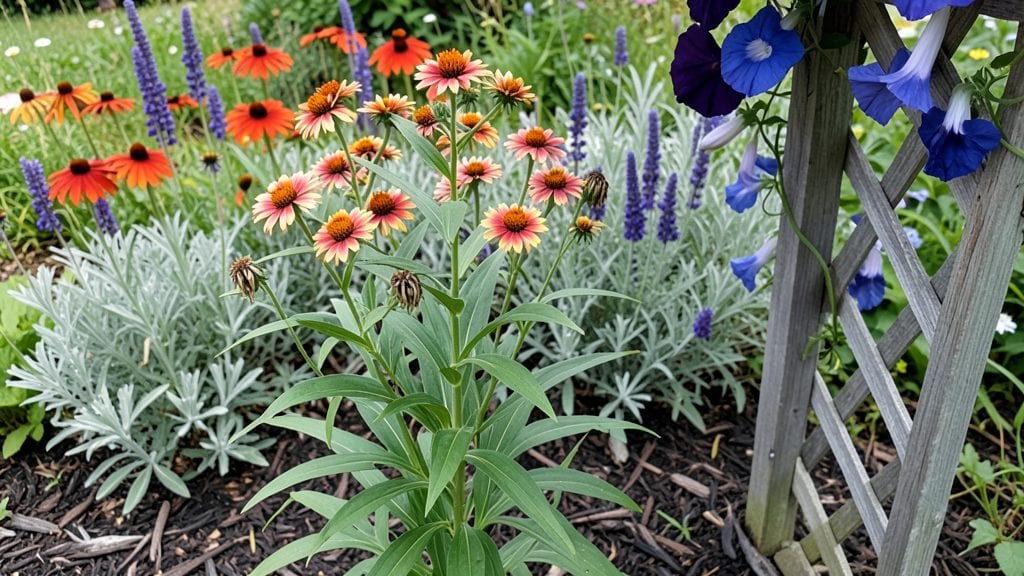
Creating a rainbow garden that bursts with color all season isn’t just about pretty flowers—it’s about crafting a living, buzzing ecosystem where every hue tells a story. 🌿 I’ve designed these gardens for years, and the secret lies in pairing bold annuals with perennials that return year after year, ensuring no dull gaps between blooms.
The key is starting with a color palette that excites you, then layering plants that thrive together while attracting bees, butterflies, and hummingbirds.
Think of your garden as a canvas where reds like zinnia ‘Benary’s Giant’ and purple cleome command attention, while soft blues from agastache and yellow black-eyed Susans create harmony.
Vertical elements—like climbing morning glories or nasturtiums—add depth, while borders of salvia and coreopsis keep the vibrancy going from spring to frost. The layout should flow from tall to short, with pollinator favorites strategically placed where they’ll be most effective.
What you’ll end up with is a garden that feels alive, where every visit reveals new shades and textures. Deadheading spent blooms keeps the colors popping, while mulching retains moisture and suppresses weeds—so the upkeep stays simple.
The best part? By mid-summer, your garden won’t just look stunning; it’ll hum with activity as pollinators flit from flower to flower, turning your yard into a thriving sanctuary.
This design works for any space—whether you’re working with a small city balcony or a sprawling backyard. The principles scale, and the joy of watching your rainbow come to life is the real reward. Let’s bring it together step by step!
📚 In This Guide
- What you need
- Instructions
- Tips and common mistakes
- Wrapping up and next steps
What you need
- ● Rainbow Garden Flowers: Choose a mix of 10–15 varieties (e.g., Marigolds, Snapdragons, Petunias, Zinnias, Cosmos, Salvia, and Lobelia) for continuous blooms. Aim for 3–5 plants per type to ensure full coverage.
- ● Well-draining soil: 1–2 cubic yards of garden soil amended with compost (or potting mix for containers).
- ● Organic fertilizer: A balanced 10-10-10 or slow-release granular fertilizer (follow package instructions for application rates).
- ● Mulch: 1–2 bags of organic mulch (e.g., shredded bark or straw) to retain moisture and suppress weeds.
- ● Watering can or hose: With a gentle spray nozzle for even hydration.
- ● Gloves and knee pads: For comfortable planting and maintenance.
- ● Pruning shears: Sharp, bypass-style shears for trimming spent blooms.
- ○ Stakes or trellises: (Optional but helpful for climbing varieties like Morning Glories or Sweet Peas).
- ● Color-coordinated garden markers: Label plants by color or variety for a polished look.
- ● Pollinator-friendly add-ons: A small birdbath or bee hotel to attract butterflies and bees.
- ● Slow-release plant food spikes: For hassle-free feeding.
- ● Decorative edging: Stones, bricks, or metal borders to define your rainbow beds.
- ● Seasonal flower seeds: Extra packets for succession planting (e.g., Cosmos or Sunflowers).
Step-by-Step design for a pollinator-friendly rainbow flower garden
Here's how to create a vibrant, low-maintenance rainbow garden that thrives all season and keeps bees buzzing.
🌱 Step 1: Plan Your Color Zones and Plant Placement
Start by sketching your space on paper, dividing it into three height tiers: back (tallest), middle, and front (shortest). I like to use warm colors—reds, oranges, yellows—in the back where they'll catch sunlight, then transition to cooler blues and purples toward the front. This creates natural depth and lets each bloom stand out. Place taller varieties like delphiniums (3-4 feet) at the back, medium-height black-eyed Susans (2-3 feet) in the middle, and low-growing pansies (6-12 inches) in the front.
Group flowers by bloom time to ensure continuous color. Early spring gets tulips and crocuses, summer fills with sunflowers and zinnias, and fall extends the show with asters and chrysanthemums. This creates a season-long rainbow effect without gaps. I always mark my plan with colored pencils—red for hot colors, blue for cool—to visualize the final look before digging.
☀️ Step 2: Prepare Soil and Choose the Right Spot
Test your soil's drainage by digging a 6-inch hole, filling it with water, and timing how long it takes to drain. If it holds water past 2 hours, amend with 2-3 inches of compost and 1 inch of coarse sand to improve aeration. Rainbow gardens thrive in full sun (6+ hours daily), but if your space gets only 4-6 hours, focus on shade-tolerant blooms like impatiens and fuchsias in the front row.
Spread a 2-inch layer of mulch (like shredded bark) over the soil after planting to retain moisture and suppress weeds. I use black mulch for its heat-retaining properties, which helps warm-season blooms like marigolds and dahlias establish faster. Avoid organic mulches like wood chips near bulb plants—they can rot and damage tender roots as they grow.
🌿 Step 3: Plant for Pollinator Success and Seasonal Flow
Dig holes twice as wide as the root ball but only as deep as the container's base. Gently loosen roots before placing each plant in its hole—this encourages them to spread outward rather than circling, which stunts growth. Space perennials 18-24 inches apart (they multiply over time) and annuals 12-18 inches apart (they bloom once but pack a punch). I plant bee-friendly varieties like lavender, coneflowers, and bee balm in clusters of 3-5 plants to create visual impact and attract pollinators.
Water deeply right after planting to settle the soil around roots, then let the top 2 inches dry out before watering again. Overwatering at this stage causes root rot, especially in heavy clay soils. You'll know you've done it right when the soil feels light and crumbly—like a damp sponge—when you squeeze a handful.
✂️ Step 4: Maintain with Strategic Pruning and Deadheading
Remove spent blooms weekly to encourage more flowers and prevent seed production, which drains a plant's energy. For perennials like daylilies and black-eyed Susans, cut back brown foliage in early spring to make room for fresh growth. I always leave 3-4 inches of stem—this protects the crown from frost and gives the plant a head start in warmer weather.
Fertilize lightly in early spring with a balanced 10-10-10 formula (follow package rates) to support vibrant blooms. Too much nitrogen makes plants leafy but flower-sparse. Instead, I side-dress with compost tea every 4-6 weeks for a gentle nutrient boost that keeps colors bright without burning roots.
🪴 Step 5: Extend the Season with Strategic Additions
Add bulbs like tulips and daffodils in fall for early spring color, then follow with annuals like petunias and snapdragons for summer. In late summer, plant fall-blooming asters and chrysanthemums to bridge the gap until frost. I also include evergreen foliage plants like heuchera and lamium to add texture and keep the garden lively even when flowers fade.
Rotate your rainbow palette each year by swapping out 20-30% of perennials for new varieties. This prevents soil depletion and keeps the garden feeling fresh. For example, if last year's garden had too many reds, this year I might add more purples (like salvias) and blues (like delphiniums) to balance the mix. The key is to plan for harmony, not perfection.
Tips & tricks for perfect rainbow garden flowers
Creating a vibrant rainbow garden takes more than just planting colorful flowers—it's about strategic planning and thoughtful maintenance. Here are the key tricks that'll make your pollinator-friendly garden thrive all season long.
Color Theory in Step 1: When planning your three height tiers in Step 1, use the color wheel to guide your placement. Warm colors (reds, oranges) in the back create visual warmth and draw the eye, while cool colors (blues, purples) in the front add contrast. I've found that grouping 3-5 plants of the same color creates stronger visual impact than scattering single blooms. For example, plant salvias and delphiniums together in clusters—their similar heights and complementary colors make them stand out beautifully.
Soil Drainage Test in Step 2: That 2-hour drainage test in Step 2 is crucial for preventing root rot, especially in heavy clay soils. If water disappears in under 30 minutes, your soil drains too quickly and needs 20% organic matter (like compost) to retain moisture. If it takes longer than 2 hours, the 1-inch coarse sand amendment is essential—it creates air pockets that prevent waterlogging. I always test multiple spots in my garden since drainage can vary even in small areas.
Root Loosening Technique in Step 3: The root loosening in Step 3 is where many gardeners go wrong. Don't just pull roots apart—gently tease them outward with your fingers to encourage outward growth. I've seen plants circle their root balls for years when this step is skipped, creating a tangled mess that stunts growth. For container plants, soak the root ball for 10 minutes before loosening to make roots more pliable. This simple step makes all the difference in establishing strong, healthy plants.
Seasonal Rotation Strategy in Step 5: The 20-30% annual rotation in Step 5 prevents soil depletion and keeps your garden feeling fresh. I recommend keeping a plant inventory list with bloom times and colors to plan your rotation. For example, if you loved the deep purples of salvias last year, consider adding blue salvia varieties this season for a different hue. This approach also helps prevent pest and disease buildup in the soil, giving your rainbow garden a longer, healthier life.
Pro Tips for Rainbow Garden Flowers
- Creating a vibrant rainbow garden takes more than just planting colorful flowers—it's about strategic planning and thoughtful maintenance.
- Color Theory in Step 1: When planning your three height tiers in Step 1, use the color wheel to guide your placement.
- Soil Drainage Test in Step 2: That 2-hour drainage test in Step 2 is crucial for preventing root rot, especially in heavy clay soils.
Frequently asked questions
Got questions about creating a dazzling rainbow garden packed with pollinator-friendly blooms? You’re not alone! Here are answers to the most common queries to help you design, plant, and maintain a vibrant, buzzing garden all season long.
What are the easiest rainbow garden flowers to grow for beginners?
Start with hardy, low-maintenance blooms like zinnia, cosmos, marigold, and sunflower. These thrive in full sun, tolerate heat, and attract pollinators effortlessly. Nasturtium and pansy are also great for cooler seasons or shaded spots.
When is the best time to plant rainbow garden flowers?
Most annuals (like petunias or impatiens) love spring planting after the last frost, while perennials (e.g., coneflower or black-eyed Susan) can go in early spring or fall. Check your local frost dates—cool-season blooms (e.g., pansies) can even handle light frosts!
Can I mix perennials and annuals in a rainbow garden?
Perennials (like bee balm or daylily) provide structure and return yearly, while annuals (e.g., calendula or snapdragons) fill gaps with instant color. Pair them by sun exposure—just ensure all plants share similar watering needs.
How do I keep my rainbow garden thriving for pollinators?
Plant in clusters (3+ of the same type) for easy navigation, avoid pesticides, and include native plants (e.g., milkweed for monarchs). Add a shallow water source (like a saucer with pebbles) and leave some "messy" stems—pollinators love it!
Why are my rainbow garden flowers wilting or dying?
Check for overwatering (most flowers hate soggy roots) or underwatering (wilting in heat). Yellow leaves? Could be nutrient deficiency—try a balanced fertilizer. Pests like aphids or powdery mildew? Spray with neem oil or introduce beneficial insects like ladybugs.
Wrapping up and next steps
Transforming your garden into a rainbow haven isn’t just about beauty—it’s about creating a thriving ecosystem that delights both you and pollinators all season long! 🌈 From sun-loving Black-Eyed Susans to shade-friendly Impatiens, these vibrant blooms bring joy, color, and life to every corner.
Whether you’re a seasoned gardener or just starting, the key is to plant with intention—mix heights, textures, and bloom times for a garden that’s always buzzing with activity.
Ready to dive in? Start small—pick 3-5 flowers from this list, gather your supplies, and let your green thumb shine! Your garden (and the bees!) will thank you. 🌱✨