Vegetables
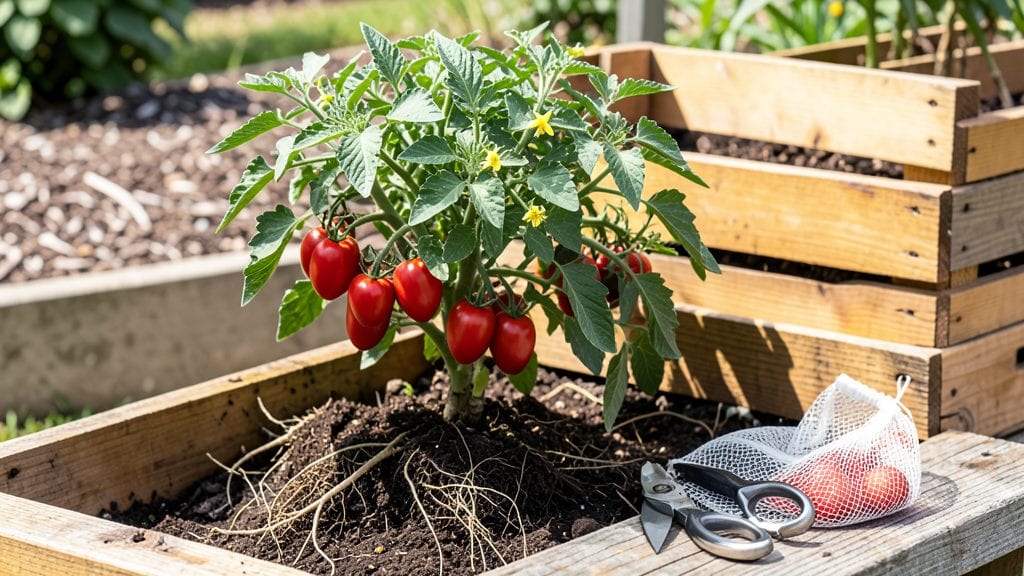
Terrace vegetable gardening turns tight spaces into productive powerhouses—my 6-by-8-foot rooftop now yields more tomatoes than my old backyard plot. The secret lies in stacking plants vertically, choosing compact varieties, and designing for airflow and sunlight.
What started as a skepticism about "balcony gardening" became my most rewarding project after realizing how much we eat from those small square feet.
You’ll need sturdy containers with drainage holes, lightweight soil mix, and plants that thrive in confined spaces—think cherry tomatoes, bush beans, and dwarf peppers instead of sprawling vines.
My setup uses a mix of 5-gallon buckets for herbs and 12-inch-deep planters for leafy greens, all arranged along the terrace edge where they get 6+ hours of morning sun.
The key is matching plant needs to the space you have, not forcing a garden to fit a rigid plan.
By mid-July, you’ll be harvesting pounds of fresh produce from a footprint smaller than a parking space. The tomatoes stay compact but sweet, the basil grows bushier than ever, and even the zucchini (yes, zucchini!) stays manageable in fabric grow bags.
The real magic? No bending, no weeding battles, and a garden that actually fits your lifestyle—not the other way around.
Works for balconies, decks, or even repurposed pallets—just adjust for your sunlight and wind exposure. Here’s how to design yours without breaking the bank or your back.
📚 In This Guide
- What you need
- Instructions
- Tips and common mistakes
- Wrapping up and next steps
What you need
- ● Containers: 3–5 medium-sized pots (10–12" diameter) or raised beds (2'x4' or larger) with drainage holes. Pro tip: Opt for lightweight materials like fabric grow bags or plastic for easy mobility! 💡
- ● Soil: 10–15 gallons of high-quality potting mix (avoid garden soil—it compacts!). Mix in compost (20–30% by volume) for nutrients.
- ● Drainage: Small pebbles, perlite, or broken pottery (1–2" layer at the bottom of containers).
- ● Fertilizer: Slow-release granules (like 10-10-10) or organic options (e.g., worm castings). Follow package rates!
- ○ Watering: A watering can with a rose attachment (for gentle watering) or a drip irrigation kit (optional but handy!).
- ● Support Structures: Trellises (for vining plants like cucumbers or beans—2–3 ft tall).
- ● Stakes or cages (for tomatoes/peppers—6 ft tall).
- ● Seeds/Seedlings: Choose compact varieties (e.g., bush beans, cherry tomatoes, lettuce, or peppers). Start with 3–5 plants max for beginners!
- ● Self-watering planters (to reduce maintenance).
- ● Mulch (straw or shredded leaves) to retain moisture.
- ● Garden gloves and a small trowel for easy planting.
- ● Grow lights (if your terrace lacks sunlight—LED bulbs work great!).
- ● Pest control: Neem oil or row covers (for aphids/caterpillars).
Instructions for designing a productive terrace vegetable garden
Transform your limited space into a thriving vegetable oasis with these strategic layouts and planting techniques.
Assess Sunlight and Space Constraints
Begin by mapping your terrace's sunlight exposure throughout the day. Most vegetables require at least 6 hours of direct sunlight, with leafy greens tolerating 4-5 hours while tomatoes and peppers demand full sun. Measure your space and note any obstructions like railings or nearby buildings that might cast shadows. I always sketch a rough layout, marking high-sun areas for heat-loving crops and partial-shade spots for cooler-season vegetables.
Divide your terrace into zones based on sunlight intensity. For example, a south-facing wall will receive the most light, making it ideal for tomatoes, peppers, and eggplants. North-facing areas or shaded corners can accommodate lettuce, spinach, or herbs like parsley and cilantro. This zoning ensures every square foot is used efficiently without overcrowding sun-hungry plants.
Select Containers and Vertical Structures
Choose containers that maximize root space while fitting your terrace's dimensions. For 4 plants, opt for 5-gallon buckets (ideal for tomatoes or bush beans) or long, narrow troughs (perfect for carrots or radishes). Stackable planters save floor space and create vertical layers, while wall-mounted pockets utilize unused vertical real estate. I prefer fabric grow bags for root vegetables like beets or turnips—they allow roots to spread naturally without compacting soil.
Incorporate vertical gardening structures like trellises, obelisks, or tiered shelves to grow vining plants such as cucumbers, pole beans, or peas. These structures not only save space but also improve air circulation, reducing the risk of fungal diseases. For example, a 6-foot trellis can support a single cucumber plant while freeing up ground space for other crops. Secure structures to railings or walls with sturdy brackets to prevent tipping in windy conditions.
Plan Companion Planting and Succession Planting
Companion planting boosts yields and deters pests in small spaces. Pair basil with tomatoes to improve flavor and repel flies, or interplant carrots with onions to confuse carrot flies. Avoid planting potatoes near tomatoes—they compete for nutrients and attract similar pests. Sketch a grid of your containers, labeling each with its intended crop and companions. This visual plan helps you spot potential conflicts before planting.
Succession planting keeps your terrace productive year-round. After harvesting bush beans or radishes (fast-growing crops), replant the same space with lettuce or spinach, which thrive in cooler temperatures. For example, sow radish seeds every 2 weeks in spring and fall—they mature in 3-4 weeks, leaving room for another round before summer heat sets in. This rotating schedule ensures a continuous harvest without overcrowding.
Optimize Soil and Water Efficiency
Use lightweight, well-draining potting mix in all containers to prevent waterlogging, which stunts root growth. Amend the mix with compost or worm castings to retain moisture and provide nutrients. For 4 plants, blend 2 cubic feet of potting mix with 1 gallon of compost and 1 cup of perlite to improve aeration. Water deeply 2-3 times per week, ensuring the top 2 inches of soil dry out between waterings—this encourages deeper root growth.
Install a drip irrigation system or use self-watering containers to conserve water and maintain consistent moisture. Mulch the soil surface with straw or shredded leaves to reduce evaporation and suppress weeds. In hot climates, apply mulch 2 inches thick; in cooler areas, 1 inch suffices. This simple layering keeps roots cool and soil fertile, reducing the need for frequent watering or fertilizing.
Monitor and Adjust for Seasonal Changes
Adjust your garden as seasons shift. In spring, prioritize cool-season crops like peas, lettuce, and kale, then transition to heat-loving plants (tomatoes, peppers, squash) by mid-May. Use row covers to extend the growing season for delicate greens in early spring or late fall. For example, spinach planted in September under a lightweight cover can survive light frosts and produce until November.
Watch for signs of stress—yellowing leaves often indicate overwatering or nutrient deficiency, while wilting in heat suggests thirst. Rotate containers quarter-turn weekly to ensure even sunlight exposure, preventing lopsided growth. Prune regularly to encourage bushier plants: pinch back leggy stems on tomatoes and trim spent flowers on herbs like thyme. These adjustments keep your terrace garden thriving in any season.
Tips & tricks for perfect terrace vegetable gardening
Transforming a small terrace into a productive garden takes thoughtful planning—and these key strategies will help you maximize every inch. Here's what I've learned from years of optimizing limited spaces without sacrificing yield or beauty.
Sunlight Strategy: In Step 1, when mapping sunlight exposure, I recommend using a simple app to track sunlight patterns throughout the day. Most phones have free tools that show sun movement—this helps you identify micro-climates on your terrace. For example, I discovered my "north-facing corner" actually gets 3 hours of morning sun, perfect for herbs like cilantro that prefer partial shade. The goal is to match each plant's light requirements precisely to avoid underperforming crops.
Container Selection: When choosing containers in Step 2, prioritize depth over width for root vegetables. For instance, 5-gallon buckets work well for tomatoes, but carrots need at least 12 inches of soil depth—consider long, narrow troughs instead. I also recommend adding drainage holes to all containers, even if they're not required. This prevents waterlogging and root rot, especially in heavy potting mixes. For fabric grow bags, fold the top edges over to create a lip that prevents soil from spilling when watering.
Companion Planting: In Step 3, when planning companion pairings, I suggest creating a simple chart of your intended crops and their companions before purchasing seeds. For example, marigolds planted near tomatoes repel nematodes while adding bright color. Another trick: interplant fast-growing radishes with slower carrots—the radishes mark where carrots are growing, making harvest easier. This visual planning prevents common mistakes like planting incompatible pairs together.
Seasonal Adjustments: For Step 5's seasonal transitions, I recommend keeping a small notebook to track what worked each season. Note which crops thrived in your specific microclimate and which struggled. For example, I discovered zucchini grows beautifully in my terrace's afternoon sun but bolts too quickly in early spring. This record becomes your personal guide for future seasons, saving you from trial-and-error planting.
Pro Tips for Terrace Vegetable Gardening
- Transforming a small terrace into a productive garden takes thoughtful planning—and these key strategies will help you maximize every inch.
- Sunlight Strategy: In Step 1, when mapping sunlight exposure, I recommend using a simple app to track sunlight patterns throughout the day.
- Container Selection: When choosing containers in Step 2, prioritize depth over width for root vegetables.
Frequently asked questions
Got questions about terrace vegetable gardening?
Here are some of the most common ones—and their practical answers—to help you grow confidently, even in limited space.
What are the best vegetables for beginners in terrace gardening?
Start with easy-to-grow, compact varieties like leafy greens (lettuce, spinach), herbs (basil, mint), cherry tomatoes, radishes, and bush beans. These thrive in containers, require minimal space, and are forgiving for new gardeners. Avoid sprawling plants like pumpkins or corn unless you have vertical supports.
When is the best time to start a terrace vegetable garden?
Timing depends on your climate! In warm regions, plant heat-loving crops (peppers, eggplants) after the last frost (spring). For cooler climates, start cold-hardy veggies (kale, peas) in early spring or late summer for a fall harvest. Always check your frost dates and plant seeds or seedlings 2–4 weeks before the ideal window.
How often should I water my terrace vegetable garden?
Terrace gardens dry out fast—water deeply every 1–2 days in hot weather, or when the top inch of soil feels dry. Use self-watering containers or drip irrigation to maintain moisture. Early morning watering prevents evaporation and fungal issues. Pro tip: Mulch with straw to retain moisture and reduce weeding!
What if my terrace isn’t sunny enough for vegetables?
Most veggies need 6+ hours of sunlight daily, but you can adapt! Grow shade-tolerant crops like lettuce, Swiss chard, or bush beans in partial shade (4–6 hours). Use reflective surfaces (mirrors, white walls) to bounce light onto plants. For herbs, try indoor grow lights or a sunny windowsill. Vertical gardens maximize light exposure too!
How do I keep pests away from my terrace garden?
Prevent pests with physical barriers (fine mesh for containers), companion planting (marigolds repel aphids), and neem oil sprays for organic control. Avoid overwatering (fungus attracts pests) and inspect leaves regularly. For aphids, blast them off with water! Pro tip: Attract ladybugs—they’re natural pest hunters!
Can I terrace garden in winter?
Yes! Use cold-hardy veggies (spinach, carrots, Brussels sprouts) and extend the season with row covers, greenhouses, or cold frames. Move containers to sheltered spots (balconies facing south) and water sparingly—soil stays wetter in cold weather. Pro tip: Harvest before hard frosts to enjoy fresh greens all year!
Wrapping up and next steps
Terrace vegetable gardening proves that big harvests don’t require big spaces—just creativity and smart planning! 🌱 Whether you’re working with a balcony, rooftop, or sloped yard, these space-saving layouts help you grow fresh, homegrown veggies without the footprint.
Start small, experiment with containers or raised beds, and watch your confidence (and garden) flourish.
Ready to dig in? Pick one layout from this guide, gather your supplies, and begin planting—your future meals (and neighbors) will thank you! 🌿