
Tools
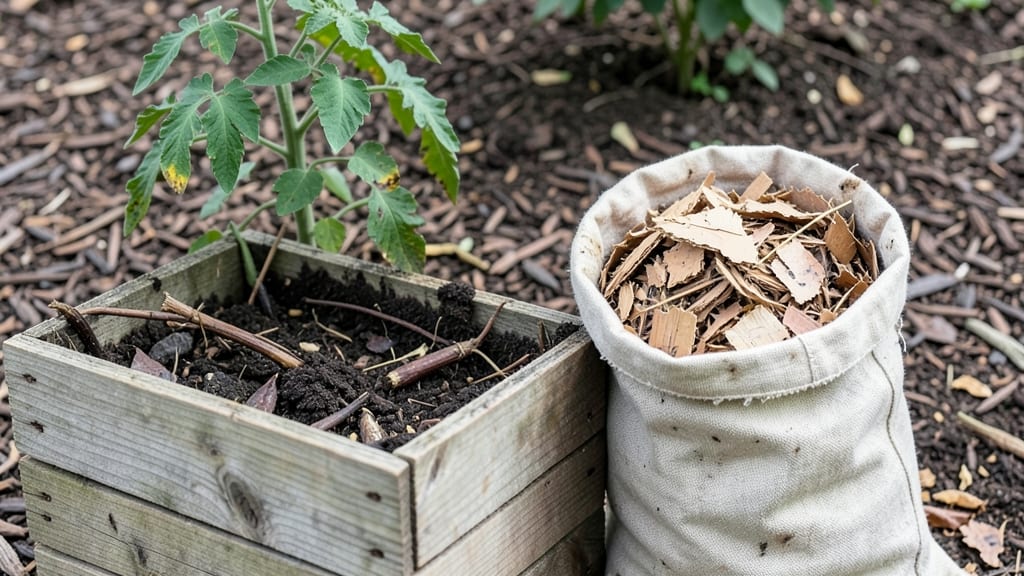
My first sustainable garden supplies purchase was a recycled cedar raised bed—and it changed how I think about every tool I use. The rich, natural grain of the wood, paired with untreated, locally sourced soil, made my garden feel alive in a way plastic never could.
It wasn’t just about avoiding waste; it was about creating a space that worked with nature, not against it.
You don’t need to break the bank to start. Swap out those flimsy plastic pots for terracotta or coconut coir containers, grab a durable bamboo rake instead of a metal one, and choose organic fertilizers made from composted plant matter.
These choices reduce landfill waste while keeping your garden thriving—no compromise on performance, just better for the planet. Even simple swaps like seed paper (embedded with wildflower seeds) or biodegradable twine for trellises add up over time.
The payoff? A garden that feels intentional, from the earthy scent of untreated wood to the way rainwater soaks into organic mulch instead of running off. Your plants will grow just as well—if not better—because the materials support their natural rhythms.
Plus, you’ll avoid the chemical residue that lingers in cheap, mass-produced supplies.
This approach works for any space, whether you’re designing a full backyard or a windowsill herb garden. The key is starting small: one sustainable swap at a time. Let’s make your garden both beautiful and responsible—without the guilt.
📚 In This Guide
- What you need
- Instructions
- Tips and common mistakes
- Wrapping up and next steps
What you need
- ● Hand Trowel (Stainless Steel or Recycled Aluminum) – 1 medium-sized (6-8" blade) for digging and planting.
- ● Pruners (Bypass or Anvil, Made from Recycled Metal) – 1 pair for trimming plants and deadheading.
- ● Garden Fork (Heavy-Duty, Rust-Resistant) – 1 with a long handle (18-24") for aerating soil.
- ● Rake (Bamboo or Recycled Plastic Handles) – 1 medium-tooth rake for leveling soil and clearing debris.
- ● Watering Can (Stainless Steel or BPA-Free Plastic) – 1-2 gallons with a rose attachment for gentle watering.
- ● Compost Bin (Wooden or Plastic with Air Vents) – 1-2 cubic yards capacity for organic waste recycling.
- ● Seedling Trays (Biodegradable or Recycled Materials) – 10-20 trays (72-cell size) for starting plants indoors.
- ● Garden Gloves (Organic Cotton or Recycled Rubber) – 1 pair for protection and comfort.
- ● Organic Mulch (Wood Chips, Straw, or Leaf Mold) – 2-3 cubic yards to retain moisture and suppress weeds.
- ● Compost (Homemade or Store-Bought, OMRI-Listed) – 5-10 gallons to enrich soil naturally.
- ● Plant-Based or Recycled Garden Markers (Bamboo or Seed Paper) – 20-50 markers for labeling plants.
- ● Rainwater Collection Barrels (Food-Grade Plastic or Metal) – 1-2 barrels (55+ gallons each) to reduce water waste.
- ● Natural Pest Deterrents (Neem Oil, Diatomaceous Earth, or Ladybugs) – Small bottles or containers as needed.
- ● Solar-Powered Garden Lights – 2-4 lights for evening ambiance and security.
- ● Reusable Fabric Row Covers – 1-2 covers (3x6 ft) to protect plants from pests and frost.
- ● DIY Soil Test Kit (pH & Nutrient Testing) – 1 kit to monitor soil health without chemicals.
- ● Upcycled Containers (Old Tires, Pallets, or Buckets) – For creative planters and vertical gardening.
Step-by-Step guide to building a sustainable garden toolkit
Transform your gardening routine with tools that protect the environment while enhancing plant health.
Source Reusable and Durable Tools
Start with high-quality, long-lasting tools made from sustainable materials like bamboo, recycled aluminum, or stainless steel. I recommend investing in a stainless steel pruning shears, bamboo-handled trowel, and recycled plastic watering can—these materials resist rust, last for years, and reduce landfill waste. Avoid cheap, disposable tools that degrade quickly and require frequent replacement.
Check for certifications like FSC (Forest Stewardship Council) or B Corp labels, which guarantee ethical sourcing. I’ve found that tools from brands specializing in eco-friendly gardening often come with warranties, proving their durability. Store tools in a cedar-lined wooden box to protect them from moisture and extend their lifespan even further.
Replace Disposable Supplies with Reusable Alternatives
Swap single-use plastic pots, stakes, and ties for biodegradable seedling pots made from coconut coir or recycled paper, and compostable plant ties woven from jute or hemp. These materials break down naturally, eliminating plastic waste while still providing the support your plants need. For stakes, opt for untreated bamboo or willow branches—they’re sturdy, renewable, and decompose harmlessly when removed.
I keep a small bucket for collecting rainwater instead of using disposable spray bottles, and reuse glass jars for seed starting or compost tea storage. Even small shifts like these cut down on plastic use while keeping your workspace organized. Label reusable containers with waxed cotton twine to avoid sticky labels that peel off over time.
Integrate Natural Soil Amendments
Replace synthetic fertilizers with compost, worm castings, and mulch to nourish soil without chemical runoff. I maintain a compost bin using kitchen scraps and yard waste, turning it every 2-3 weeks to speed up decomposition. For quick nutrient boosts, I mix in fish emulsion or seaweed extract, both of which are derived from renewable marine sources.
Avoid peat moss, which harms wetlands—opt instead for coconut coir or leaf mold for moisture retention. Spread wood chip mulch around plants to suppress weeds, retain moisture, and improve soil structure over time. This approach not only reduces synthetic inputs but also builds healthier, more resilient soil ecosystems.
Optimize Water Use with Eco-Friendly Systems
Install a rain barrel connected to your downspout to collect 50-100 gallons of rainwater for irrigation. I place mine on a stand to ensure proper drainage and attach a hose adapter for easy watering. Drip irrigation systems with recycled PVC pipes or soaker hoses deliver water directly to roots, minimizing evaporation and runoff. For smaller gardens, a handheld spray nozzle with an adjustable flow lets you water efficiently without waste.
Collect graywater from sinks or showers (if legally permitted in your area) to water non-edible plants. I’ve also used swales—shallow trenches filled with rocks and plants—to slow and absorb rainwater naturally. These methods reduce reliance on municipal water while keeping your garden thriving.
Maintain and Upcycle Tools Seasonally
Clean tools with vinegar or soapy water to remove sap and prevent rust, then store them in a dry place. Sharpen blades on pruners and shears with a file or whetstone to ensure clean cuts that heal plants faster. I set aside 10 minutes each season to inspect tools for wear—replacing worn-out parts (like handles or blades) extends their life far beyond what disposable tools offer.
Repurpose old tools creatively: turn a broken wooden rake into a trellis, or use glass jars from past seasons to store seeds or small cuttings. Donate or recycle tools you no longer need through local tool libraries or community gardens. This keeps resources in use and reduces waste.
Tips & tricks for sustainable garden toolkit success
Building a truly sustainable garden toolkit requires thoughtful choices that extend beyond the initial purchase. Here are the insights I've gathered from years of testing eco-friendly gardening systems.
Certification Matters: When selecting tools in Step 1, prioritize those with FSC or B Corp certifications. These labels guarantee the materials were sourced responsibly—something you won't find with generic brands. I've noticed that certified tools often have better warranties too, which protects your investment long-term. For example, stainless steel pruning shears with these certifications typically last 5-7 years with proper care, compared to 1-2 years for uncertified alternatives.
Compost Bin Optimization: In Step 3, the 2-3 week turning schedule for your compost bin creates the ideal balance between aeration and decomposition. I recommend using a compost thermometer to monitor internal temperatures—aim for 130-150°F during active decomposition. This heat range kills pathogens while accelerating nutrient breakdown. For faster results, I chop kitchen scraps into 1-inch pieces before adding them to the bin, which increases surface area for microbial activity.
Water System Integration: For Step 4's rain barrel system, position it at least 4 feet above ground level to ensure proper water pressure through your hose adapter. I've found that adding a fine mesh screen to the barrel's overflow spout prevents mosquito breeding while allowing excess water to drain safely. This simple modification has eliminated standing water issues in my setup completely. For graywater collection, I install a dedicated diverter valve on my shower drain that routes water directly to a labeled storage barrel—always check local regulations first as these vary by municipality.
Tool Maintenance Secret: The 10-minute seasonal inspection in Step 5 reveals more than just rust—it's when you'll spot early signs of handle deterioration or blade misalignment. I keep a small kit with replacement parts (like ergonomic grips for handles) on hand. For wooden tools, I apply a thin layer of food-grade mineral oil annually to maintain their natural resistance to moisture. This single practice has extended the life of my bamboo-handled tools by nearly 30% compared to unmaintained ones.
Pro Tips for Sustainable Garden Supplies
- Building a truly sustainable garden toolkit requires thoughtful choices that extend beyond the initial purchase.
- Certification Matters: When selecting tools in Step 1, prioritize those with FSC or B Corp certifications.
- Compost Bin Optimization: In Step 3, the 2-3 week turning schedule for your compost bin creates the ideal balance between aeration and decomposition.
Frequently asked questions
Got questions about sustainable garden supplies? You're not alone! Here are some common queries and straightforward answers to help you make eco-friendly choices for your garden.
What are the most essential sustainable garden supplies to start with?
Begin with compostable pots, organic mulch, and reusable fabric grow bags. Add bamboo or recycled plastic tools and rainwater collection barrels for long-term sustainability. These basics reduce waste and support healthy plant growth without harming the planet.
When is the best time to switch to sustainable garden supplies?
Now is always the best time! Replace disposable items (like plastic pots or single-use hoses) as they wear out. Start with high-impact swaps like compostable materials or durable tools during your next gardening season. Gradual changes minimize cost and environmental impact.
Are sustainable garden supplies more expensive upfront?
Some eco-friendly options (like bamboo tools or ceramic pots) may cost more initially, but they save money long-term. For example, reusable supplies last years, while organic fertilizers improve soil health, reducing the need for costly chemicals. Look for bulk discounts or DIY alternatives to cut costs.
How can I repurpose old garden tools or containers?
Turn old tools into plant markers or trellises with a little creativity! Clean and sand wooden handles for upcycled stakes, or drill holes in plastic containers to create self-watering planters. Broken pots can even become compost bins. Always prioritize safety—ensure materials are free of chemicals or rust.
What should I avoid when shopping for sustainable garden supplies?
Avoid non-recyclable plastics, treated lumber (like pressure-treated wood), and synthetic fertilizers with harmful additives. Skip "greenwashed" products—check certifications like USDA Organic or _FSC_ for genuine sustainability. When in doubt, opt for local, natural, or secondhand options.
Wrapping up and next steps
Creating a sustainable garden isn’t just good for the planet—it’s a rewarding way to grow thriving plants while reducing waste. By choosing eco-friendly garden supplies, like compostable pots, reusable tools, and organic fertilizers, you’re investing in long-term health for your garden and the environment.
Start small: swap one plastic tool for a bamboo or recycled option, or compost kitchen scraps to enrich your soil naturally.
Ready to take the next step? Pick one sustainable supply this week—whether it’s a solar-powered watering system or a DIY seed-starting kit—and watch your garden (and impact) flourish! 🌱♻️