
Vegetables
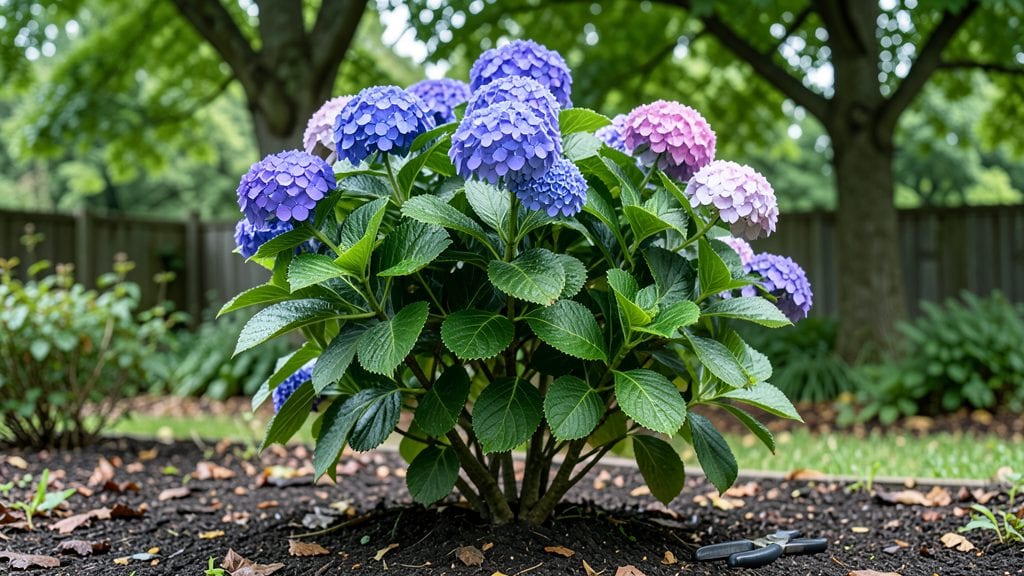
Strolling the gardens teaches you the perfect timing for planting and harvesting vegetables, so you can match your crops to local climate patterns and seasonal rhythms for the freshest yields.
Walking through well-maintained gardens isn't just relaxing—it's a masterclass in understanding how nature dictates what grows best when. 🌱 I've noticed that gardeners who pay attention to seasonal shifts often harvest vegetables at their peak flavor, like tomatoes in late summer or leafy greens in early spring.
This hands-on approach helps you avoid common mistakes, such as planting warm-season crops too early or harvesting too late when quality declines.
What makes this method so effective is how it connects you directly to your local environment. Instead of relying on rigid schedules, you learn to read subtle cues like soil temperature, daylight hours, and even the behavior of other plants in your area.
This adaptability ensures your garden thrives year-round, whether you're growing heat-loving peppers or cold-hardy kale.
💡 In This Article
- Seasonal Vegetable Planting by Climate Zones
- Harvesting Tips for Peak Flavor and Storage Life
Seasonal vegetable planting by climate zones
Understanding your local climate zone is the foundation of successful vegetable gardening. The USDA divides regions into 13 hardiness zones based on average annual minimum temperatures, which directly impacts when and what you can grow.
For example, Zone 5 (typical of northern states) has a last frost date around May 15, while Zone 9 (like Southern California) rarely sees frost, allowing year-round planting.
This 10-12 week difference in frost-free periods means cool-season crops like broccoli thrive in spring and fall in colder zones but can be planted in winter in warmer ones.
Soil temperature is another critical factor that determines planting windows. Most cool-season vegetables (such as lettuce, spinach, and peas) prefer soil temperatures between 45-65°F, while warm-season crops (tomatoes, peppers, and cucumbers) need soil to reach at least 60-70°F before planting.
In Zone 7, for instance, you might plant warm-season crops as early as March 15 when soil temperatures stabilize, but in Zone 3, you'd wait until May 1 to avoid stunted growth from cool soil. A soil thermometer is your best tool for tracking these shifts.
Calculating frost-free dates involves more than just checking a calendar—it requires observing local microclimates. Urban areas often experience 2-4°F warmer temperatures than rural zones due to concrete and buildings, while gardens near large bodies of water may have delayed frost.
I've found that gardeners in coastal areas can plant warm-season crops 2-3 weeks earlier than inland counterparts in the same zone. This is why professional growers use 3-year averages of frost dates rather than relying on single-year data.
Cool-season crops like Brussels sprouts and kale actually prefer cooler temperatures and can even tolerate light frosts, which enhances their flavor through a process called vernalization. Meanwhile, warm-season crops like eggplants and okra need consistent warmth to set fruit.
In Zone 8, where winters are mild, you can grow warm-season crops year-round with careful succession planting, while in Zone 4, you might only get one 100-day growing season for tomatoes. This is why gardeners in colder zones focus on fast-maturing varieties.
Here's what this means for your garden: Start by identifying your USDA zone and then track soil temperatures for at least two seasons to understand your local patterns.
Plant cool-season crops in early spring and late summer when temperatures drop below 80°F, and reserve warm-season planting for when soil consistently stays above 60°F. For example, in Zone 6, you might plant lettuce in March and September but tomatoes only after May 15.
This precision ensures your garden produces the most abundant harvests.
What most gardeners overlook is how daylight length affects plant development. Longer summer days trigger flowering in many vegetables, which is why tomatoes planted in late summer may not produce fruit before frost.
By aligning your planting schedule with both temperature and daylight patterns, you can extend your growing season by 4-6 weeks in both spring and fall. This is the secret behind successful year-round gardening in any climate zone. 🌱