
Tools
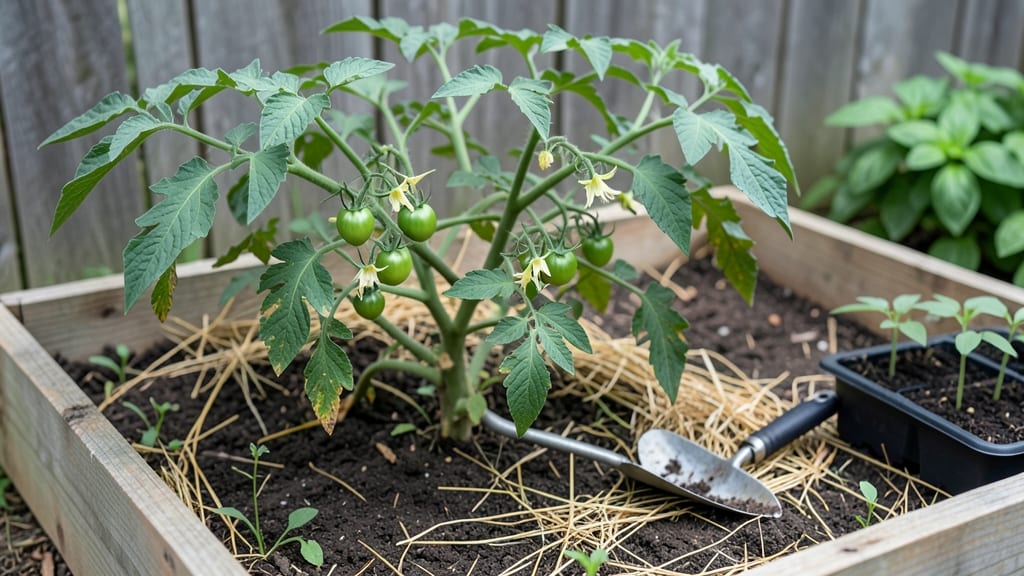
Following the right steps for gardening can turn even a small patch of dirt into a lush, productive space 🌱—and the best part is, you don’t need a green thumb to make it happen.
Transforming a patch of soil into a thriving garden isn’t just about planting seeds—it’s a year-round process that demands smart planning, consistent care, and a few pro secrets most beginners miss. These 10 proven steps will ensure your garden flourishes from spring to fall, no matter your experience level.
Whether you’re prepping soil in Zone 6a, battling pests, or figuring out when to water, I’ll walk you through the essential tasks that keep your plants happy. No guesswork, just actionable advice for year-round success—even if you’re starting from scratch.
Ready to grow? By the end, you’ll know exactly what to do, when to do it, and how to avoid the most common mistakes that kill gardens before they even begin.
10 Essential seasonal gardening steps for year-round success
Transforming a patch of soil into a thriving garden isn’t just about planting seeds—it’s a year-round process that demands smart planning, consistent care, and a few pro secrets most beginners miss. These 10 essential steps will ensure your garden flourishes from spring to fall, no matter your experience level.
Whether you're a beginner or a seasoned gardener, timing is everything, and each season brings unique challenges and opportunities.
From soil preparation in early spring to harvesting in late fall, every phase requires attention to detail. Skipping even one step can lead to poor yields, pest infestations, or wasted effort.
The key is to adapt your approach based on the season’s demands—whether that means protecting plants from frost or conserving water during droughts.
Here’s how to stay ahead of the game with a seasonal gardening checklist that maximizes your garden’s potential year-round.
Test and amend your soil pH (aim for 6.0-7.0). Add compost or aged manure to improve fertility. Cover tender plants with frost cloth or row covers to protect against late frosts.
Start planting warm-season crops like tomatoes and peppers after the last frost. Apply a 2-inch mulch layer to retain moisture and suppress weeds.
Water deeply in the morning to reduce evaporation. Monitor for pests like aphids or slugs—use neem oil or companion planting (e.g., marigolds) to deter them.
Replace harvested crops with cool-season plants like kale or radishes. Extend the season by using row covers or cold frames.
Remove diseased plants and add green manure (like clover) to restore soil nutrients. Mulch garden beds to protect roots from freezing.
Review last year’s successes and failures. Sharpen pruning shears and store tools in a dry place. Start seed catalogs for spring orders.
Pair plants like basil with tomatoes or carrots with onions to improve growth and deter pests naturally.
Prune dead or diseased branches promptly. For herbs like mint, trim back one-third to encourage bushier growth.
Common gardening mistakes that kill your plants (and how to fix them)
Even the most enthusiastic gardeners can accidentally sabotage their plants with simple oversights. I’ve seen overwatering drown roots, poor soil stifle growth, and neglected pests turn lush gardens into crispy wastelands. The good news?
Most of these mistakes are easy to spot—and fix—if you know what to look for. Let’s tackle the top 5 plant killers and how to revive (or prevent) them.
First, let’s address the silent growth-stopper: wrong planting depth. Seeds planted too shallow may dry out, while roots buried too deep can suffocate. Even mature plants suffer when their stems are buried under soil—this traps moisture and invites rot.
The fix? Follow the seed packet guidelines or plant roots at the same depth they grew in their nursery pot.
⚠️
🚨 Emergency Plant Rescue Guide
If your plants show these red flags, act fast:
- Yellow leaves → Check watering habits and soil drainage.
- Wilted stems → Test soil moisture; may need repotting or pruning.
- Holes in foliage → Inspect for pests; treat with neem oil or insecticidal soap.
- Stunted growth → Amend soil with compost or adjust sunlight exposure.
Pro Tip: Morning inspections catch problems before they spread!
Next up: overwatering, the #1 cause of root rot. Many gardeners assume "more water = happier plants," but soggy soil suffocates roots by cutting off oxygen. To test, stick your finger 1-2 inches into the soil—if it’s damp, wait.
Upgrade to well-draining soil (mix in perlite or sand) and water only when the top inch feels dry. For containers, ensure pots have drainage holes.
Don’t overlook the power of poor soil quality. Compacted or nutrient-poor soil leaves plants malnourished and vulnerable. Before planting, test your soil’s pH and amend it with compost or aged manure.
For example, tomatoes thrive in slightly acidic soil (pH 6.0–6.8), while blueberries need acidic soil (pH 4.5–5.5). A simple soil test kit (under $20) saves guesswork.
Pests and diseases often go unnoticed until it’s too late. I’ve lost entire herb gardens to aphids because I ignored the sticky residue on leaves. Start with preventative care: rotate crops yearly, remove debris, and inspect plants weekly.
Early signs like chewed leaves or webbing mean it’s time for action—try neem oil or introduce beneficial insects like ladybugs. For fungal issues, improve airflow by spacing plants properly.
Finally, ignoring seasonal changes throws off plant cycles. For instance, spring-blooming bulbs (like tulips) need a winter chill to rebloom. Adjust watering, fertilizing, and pruning to match your plant’s natural rhythm.
In fall, mulch perennials to protect roots from freezing temps. A quick seasonal checklist keeps you on track without overcomplicating things.