
Landscaping
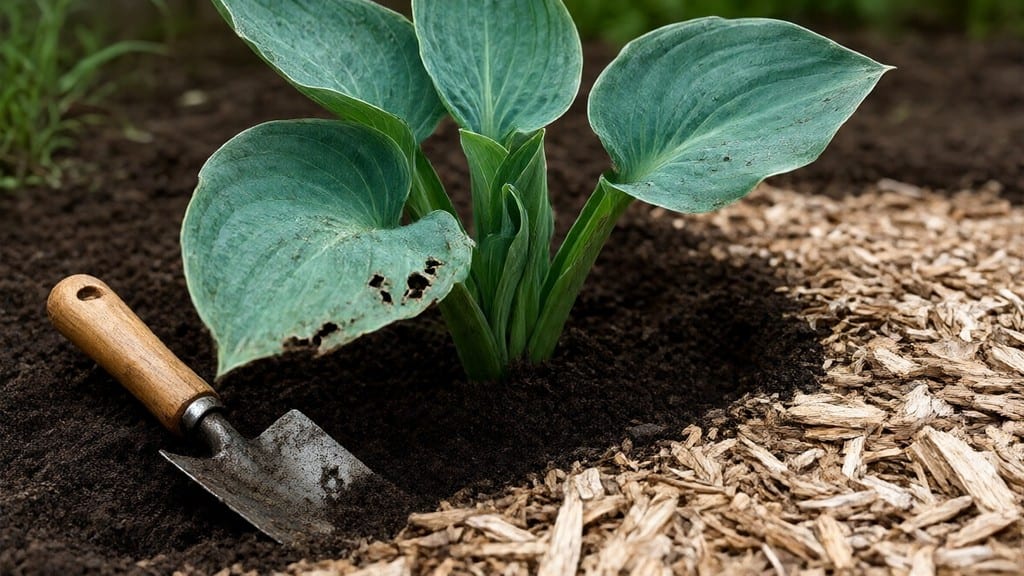
A stepped garden bed turns an awkward slope into a stunning, functional space—no backbreaking labor required.
Picture this: your yard’s steepest corner, once a muddy eyesore, now a series of lush, tiered gardens where herbs spill over edges and vegetables thrive in perfect drainage. The best part? You don’t need a landscape architect’s budget or a tractor to pull it off.
These terraced designs do more than just look pretty—they stop erosion, maximize growing space, and let you plant everything from drought-resistant succulents to cascading flowers. Whether you’re working with a gentle incline or a dramatic hillside, the right layout turns problem areas into showstopping features.
In this guide, I’ll walk you through the design principles, material choices, and plant pairings that make stepped beds both beautiful and practical—so you can start building (or dreaming) this spring.
How to design stepped garden beds for maximum drainage and plant growth
Designing stepped garden beds on a slope solves two big problems: water drainage and plant root health. Without proper planning, water pools between tiers, leading to root rot or erosion.
The key is balancing step height, drainage angles, and soil depth to create a system where water flows naturally while roots thrive. I’ve learned that even a 5-degree slope can be transformed into lush terraces with the right calculations and materials.
Before digging, measure your slope’s grade (rise over run) to determine step height and spacing. A 10% slope (10 feet rise over 100 feet) typically needs 6-inch-high steps spaced 3 feet apart for optimal drainage.
Too much height risks water pooling, while too little creates a shallow root zone. I recommend starting with 12-inch-wide tiers—wide enough for most plants but narrow enough to prevent soil compaction.
Now, let’s break down the process into clear, actionable steps to ensure your stepped garden beds stay dry, stable, and full of happy plants.
Measure Your Slope and Calculate Step Height
Use a level tool or laser measure to determine your slope’s angle. For every 1 foot of vertical rise, allow 6–12 inches of horizontal run between steps. Example: A 3-foot slope over 10 feet = 3 steps at 6-inch height each.
Choose Materials Based on Durability and Aesthetics
Stone (e.g., flagstone): Best for long-term drainage and low maintenance but costly. Wood (cedar/redwood): Budget-friendly but needs annual sealing to prevent rot. Brick/concrete blocks: Sturdy and modular but may crack if soil shifts.
Dig Tiers with a 2% Drainage Slope
Each tier should slope slightly outward (2%) to direct water toward the next step. Use a string line and stakes to mark 12-inch-wide beds with 6-inch-high edges. For soil depth, aim for 12–18 inches—deep enough for root systems but shallow enough to prevent erosion.
Layer Soil for Optimal Drainage
Start with 3 inches of gravel at the bottom of each tier for drainage, then add 6 inches of compost-rich topsoil. For heavy clay soil, mix in perlite or sand (20% by volume) to improve aeration.
Avoid compacting the soil—loose soil prevents waterlogging and encourages root growth.
Install Drainage Channels Between Steps
Use landscape fabric under gravel layers to filter debris, and add perforated drain pipes (4-inch diameter) along the back edge of each tier if your slope is steep (>15%).
For gentler slopes, gravel-filled trenches (6 inches wide) between tiers work well. This ensures excess water flows away from plant roots.
Select Plants Based on Tier Height
Place tall plants (e.g., lavender, ornamental grasses) on upper tiers where they won’t shade lower beds. Use spiller plants (e.g., creeping thyme, ferns) on edges to soften transitions. For water efficiency, group drought-tolerant plants (like sedum) on lower tiers where moisture may linger.
Add Mulch and Edging for Stability
Top each tier with 2–3 inches of mulch (cedar chips or straw) to retain moisture, suppress weeds, and protect soil from erosion. Secure edges with landscape edging (metal or plastic) to prevent soil from washing away during heavy rains.
For a natural look, use large stones as edging.
One common mistake I see is ignoring the backfill. Always use native soil or sandy loam behind retaining walls or step edges to prevent shifting. If your slope is very steep, consider retaining walls (interlocking blocks) for extra support.
For smaller slopes, wooden planter boxes stacked on cinder blocks can create a low-cost alternative with similar drainage benefits.
After building, water thoroughly for the first 2 weeks to help soil settle and test drainage. If water pools on any tier, adjust the slope slightly or add more gravel.
Over time, your stepped garden beds will become a self-sustaining ecosystem—reducing erosion, improving drainage, and giving you more growing space in a compact area.
For long-term success, I recommend seasonal maintenance: top off mulch in spring, check drainage after heavy rains, and rotate plants every 2–3 years to prevent soil depletion. With the right design, your terraced garden will not only look stunning but also thrive for decades with minimal upkeep.
Best plants for stepped garden beds: low-growing vs. vertical options
Creating a visually stunning stepped garden bed starts with selecting the right plants that thrive in elevated spaces while complementing your design. The key is balancing low-growing ground covers with vertical vines and shrubs to create depth and movement.
For example, cascading plants like creeping thyme can spill gracefully over edges, while upright lavender adds structure and fragrance.
When choosing plants, consider their water needs and mature height—drought-resistant varieties like sedum or shrubby penstemon are perfect for terraced layouts where water retention can be tricky. Edible options like strawberries or dwarf blueberries also work beautifully, adding both beauty and bounty to your garden.
For native plants, consider shrubby penstemon or beebalm, which thrive in elevated beds and require minimal maintenance. These plants not only support local ecosystems but also add vibrant colors like purple, pink, and red to your terraced design.
Pair them with evergreen ground covers like creeping juniper to maintain year-round interest.
When arranging plants, place taller varieties at the back of each step to create a natural progression in height. Use trailing plants like fuchsia or lobelia to soften edges and add movement.
These plants will cascade beautifully over the edges of your terraced beds, creating a lush, layered look that’s both functional and eye-catching.
Don’t forget to include edible plants like strawberries or dwarf citrus trees in your design. They add practical value while enhancing the aesthetic appeal of your stepped garden. Just ensure they receive adequate sunlight and well-draining soil to thrive in elevated beds.
Finally, group plants with similar water needs together to simplify irrigation. For instance, place drought-tolerant sedum and lavender near the top of your terraces where water runoff is minimal, while moisture-loving hostas or heucheras can go on lower steps where they’ll receive more consistent watering.