
Pests
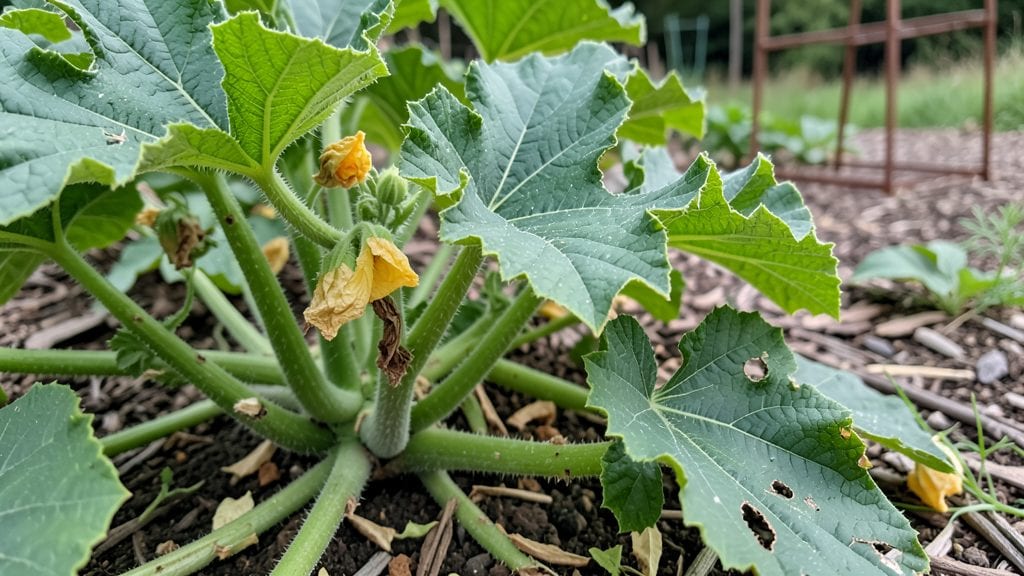
Squirrel damage can turn your garden from a thriving sanctuary into a buffet for furry thieves. 🌱 I’ve lost more tulip bulbs to squirrels than I care to admit, but after years of trial and error, I’ve found barriers that actually work—no more digging up my favorite plants overnight.
The real problem isn’t just the digging—it’s how relentless they are. Squirrels target bulbs, fruits, and even young seedlings, often leaving your garden looking like a war zone by spring.
The key is combining physical barriers with smart deterrents, like wire cages or repellent sprays, that make your garden less appealing than the woods.
With the right setup, you’ll protect your hard work without harming wildlife. Imagine waking up to intact rows of daffodils instead of half-dug-up soil. The best part? These solutions work for bulbs, berries, and even vegetable patches—no more losing your harvest before it even grows.
Whether you’re dealing with a single troublemaker or a whole squirrel colony, these methods scale easily. Let’s keep your garden safe—and your sanity intact—this growing season.
Root Causes Of Garden Raids
Squirrels aren’t just cute critters—they’re highly intelligent foragers with a knack for turning your garden into their personal buffet. Understanding why they target your plants, bulbs, and even young trees is the first step to outsmarting them. Here’s a breakdown of the key triggers, backed by science and behavior:
Squirrels are opportunistic omnivores, meaning they’ll eat almost anything—especially when natural food sources dwindle. Here’s why your garden becomes their fallback:
- Late Summer/Fall Feasting: As acorns, nuts, and seeds become scarce in their natural habitats (forests, parks), squirrels expand their search radius.
Your garden’s ripe fruits, vegetables, and bulbs (like tulips or daffodils) mimic the high-calorie meals they’d find in the wild. - Winter Prep: Squirrels are cache-oriented—they bury food for winter but often forget some.
If they’ve already stashed enough, they’ll raid gardens to supplement their diet before hibernation (or lack thereof; many stay active year-round). - Pro Tip: 🔥 Mimic their natural diet by planting oak trees, walnuts, or pecans nearby. A food-rich alternative reduces their motivation to hit your veggies.
Urban and suburban gardens are artificial ecosystems—and squirrels love them. Here’s how we accidentally invite them over:
- Easy Access to Calories: Gardens packed with high-energy crops (corn, sunflower seeds, berries, or even pet food left outside) act like a neon sign for squirrels.
Unlike wild seeds, these are easily digestible and calorie-dense. - Lack of Natural Predators: In cities, squirrels face fewer threats (like owls or foxes), so they boldly explore without fear.
Your garden becomes a low-risk, high-reward zone. - Pro Tip: 🌡️ Remove fallen fruit daily and secure trash cans with bungee cords. Even a single apple core can attract a squirrel scout who’ll return with reinforcements.
Squirrels aren’t just after snacks—they’re also nest builders and territorial. Your garden might unknowingly offer:
- Cozy Hiding Spots: Dense shrubs, tree hollows, or even birdhouses provide perfect nesting material (leaves, twigs) and shelter from predators. Evergreens (like pine or spruce) are especially attractive for winter nests. - Digging Opportunities: Bulbs (tulips, crocuses) and shallowly planted perennials are easy targets for squirrels digging nests or caching food.
A single dig can destroy months of gardening work. - Pro Tip: ✨ Prune dense shrubs away from garden beds and cover bulbs with hardware cloth (not just mulch) to block digging. Squirrels hate the feel of wire under their paws.
Squirrels are highly intelligent—some studies rank them as smart as dogs or young children.
This means they: - Learn from Peers: If one squirrel finds a weak spot in your fence or a loose lid on a compost bin, others will watch and replicate the behavior (a phenomenon called social learning). - Test Barriers: They’ll chew, scratch, or jump to see if they can bypass obstacles.
A flimsy chicken wire? Gone in minutes. A sturdy mesh? Might take longer—but they will try. - Pro Tip: 🎯 Use irregularly spaced barriers (like squirrel-proof bird feeders) to confuse them. Squirrels rely on pattern recognition, so breaking their "cheat codes" works.
Not all gardens are equally tempting. Squirrels target those with: - Open, Exposed Beds: No overhead cover means easier access to plants.
They’ll leap from tree to tree to raid ground-level crops. - Soft Soil: Sandy or loose soil is easy to dig, making bulbs and tubers low-hanging fruit (literally). - Water Sources: A birdbath or dripping hose attracts squirrels for hydration, increasing their garden visits. - Pro Tip: 💡 Add tall plants or netting above vulnerable crops (like strawberries) to create a physical barrier.
Squirrels prefer ground-level raids—deny them the easy path.
Quick Fixes for Squirrel Chaos
Squirrels may be adorable, but their relentless digging, chewing, and nesting can turn your garden into a battleground. The good news? With the right strategies, you can outsmart these furry troublemakers and protect your plants, bulbs, and hard work.
Below, we’ve mapped common squirrel damage causes to practical fixes—plus prevention tips to keep them away for good.
Squirrels love fresh, tender shoots—your seedlings and young plants are a buffet. If you spot ragged edges, missing leaves, or hollowed stems, act fast.
How to Stop It:
- 🔥 Cover Seeds & Seedlings – Use wire mesh (¼-inch hardware cloth) or floating row covers over vulnerable areas. Secure edges with soil or rocks to block sneaky squirrels.
- 🍳 Spice Up Their Taste – Squirrels dislike hot pepper spray or garlic-based repellents. Mix 1 tsp cayenne pepper + 1 tbsp dish soap + 1 quart water, spray on plants (reapply after rain).
- 👨🍳 Distract with Decoys – Hang shiny old CDs or aluminum pie pans near gardens. The reflection and noise scare them off.
💡 Pro Tip: Plant squirrel-resistant alternatives like marigolds, snapdragons, or lavender—bitter scents deter them!
If your tulips, daffodils, or potatoes vanish overnight, squirrels are likely dug them up for snacks. Look for freshly turned soil or half-buried treasures.
How to Stop It:
- ⏰ Plant Later in the Season – Squirrels target early spring bulbs. Try fall-planted crocuses or hyacinths (they bloom before squirrels wake up hungry).
- 🔪 Bury Mesh Cages – Place hardware cloth cages (12–18 inches deep) over bulb beds before planting. Cut tops off after sprouting.
- 🌡️ Fake a "No Snacks" Zone – Scatter coffee grounds or predator urine (fox/coyote) around bulb areas. The smell tricks them into thinking danger lurks.
✨ Bonus: Try daffodil bulbs—their bitter taste repels squirrels naturally!
Squirrels love hiding in sheds, compost bins, or under decks for nesting. If you hear scratching or see shredded leaves, they’ve claimed your space.
How to Stop It:
- 🔪 Seal Entry Points – Check for gaps larger than 2 inches (their size!). Use steel wool + caulk or expanding foam to block holes.
- 🥘 Remove Attractants – Store birdseed, pet food, and fallen fruit in metal bins with tight lids. Even compost piles can lure them!
- 🎯 Relocate Existing Nests – If they’ve already nested, wait until night (when they’re active), then gently remove materials and re-seal the area.
💡 Pro Tip: Install squirrel-proof bird feeders (with metal cages) to keep them from raiding seed nearby.
Ripe apples, berries, or tomatoes? Squirrels will climb, jump, and steal your harvest. Look for half-eaten fruit or scattered debris.
How to Stop It:
- 🍳 Net It Up – Drape fine mesh netting over fruit trees or bushes. Secure tightly so they can’t chew through.
- 🔪 Prune Strategically – Trim low-hanging branches so squirrels can’t leap onto plants.
- 🌡️ Harvest Early – Pick fruit as soon as it ripens to deny them a free meal.
✨ Bonus: Plant thorny roses or barberry bushes near vulnerable crops—they’ll avoid the prickles!
Want squirrels to stay away for good?
Combine these low-effort habits: - 🌿 Keep Grass Short – Squirrels hide in tall grass to ambush gardens. - 💦 Use Motion-Activated Sprinklers – A sudden spray startles them (and saves water!). - 🐶 Encourage Natural Predators – Owls, hawks, and even outdoor cats (if humane) can help control squirrel populations. - 🌱 Rotate Plant Locations – Squirrels remember favorite spots; move vulnerable plants yearly.
Final Thought: Squirrels are clever but predictable—disrupt their patterns, remove their incentives, and they’ll find easier snacks elsewhere. Start with one or two fixes, monitor results, and gradually build a squirrel-proof garden fortress! 🏰🐿️🚫
Frequently asked questions
What are the most common signs of squirrel damage in my garden?
Look for dug-up soil around bulbs, chewed leaves or stems on young plants, and half-eaten fruits or vegetables. You might also spot shredded bark on trees or scattered debris near nesting areas. Check for these clues at dawn or dusk when squirrels are most active.
Will squirrel repellents actually work, or are they just a temporary fix?
Effective repellents like hot pepper spray or predator urine can work for weeks but need reapplication after rain. For long-term results, combine repellents with physical barriers (like hardware cloth) and remove food sources (pet food, fallen fruit). Squirrels are smart—they’ll adapt if you rely solely on one method.
Can I save bulbs that squirrels have already dug up?
Yes! If the bulbs are intact, replant them immediately in a protected location with hardware cloth cages. For damaged bulbs, check for soft spots—healthy portions can be replanted, while rotten sections should be discarded. Next season, use daffodils or alliums, which squirrels dislike.
Are there any plants squirrels naturally avoid?
Squirrels typically steer clear of daffodils, snowdrops, and crocuses due to their bitter taste. Other squirrel-resistant options include marigolds, lavender, and rosemary. Plant these strategically around vulnerable areas to create a natural deterrent barrier.
How do I keep squirrels from nesting in my shed or compost bin?
Seal all gaps larger than 2 inches with steel wool and caulk, and store food sources (like birdseed) in metal containers. For existing nests, wait until night, then carefully remove materials and block entry points. Keep the area clean—squirrels are less likely to nest where there’s no nesting material available.