
Planting
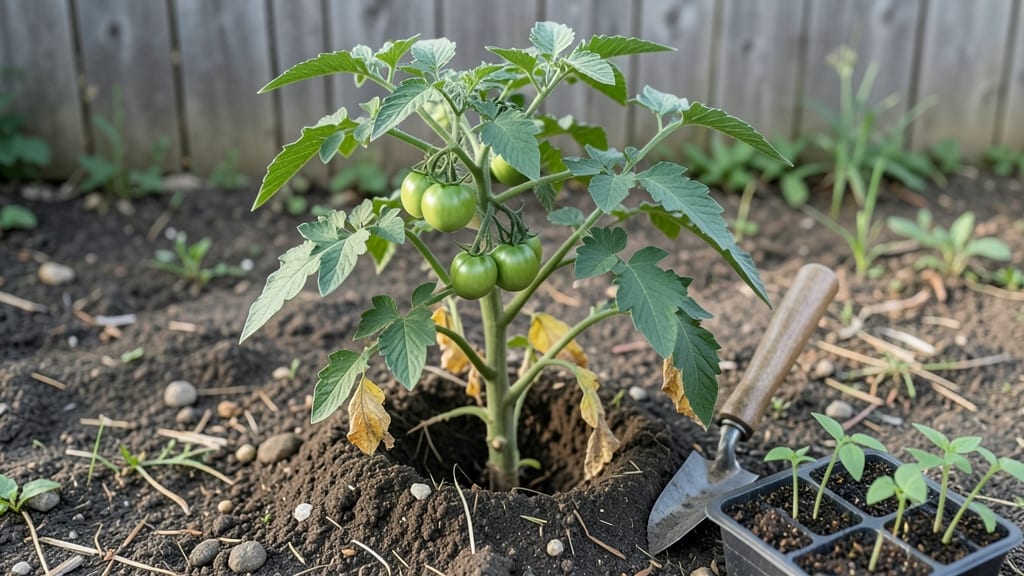
This sq ft gardening planting guide will show you how to turn every inch into harvest potential—just like I did after watching my raised beds waste space between plants, now fitting twice as many veggies in half the footprint. 🌱 The system is all about precision—one square foot holds exactly 16 plants of the same size, no guessing, no crowding.
You’ll need a simple grid (string or wood frames work), quality soil mix, and your favorite compact vegetables. Herbs like thyme and basil thrive in 1-square-foot blocks, while tomatoes and peppers need their own 4-square-foot corners.
The beauty is seeing every square inch contribute to dinner—no wasted dirt, no empty corners.
By summer, you’ll be harvesting crisp lettuce every 3 weeks, bush beans twice a month, and enough tomatoes to share with neighbors. The layout even works for flowers, turning your garden into a pollinator paradise while maximizing every square foot. Ready to transform your space?
Works for containers, raised beds, or in-ground plots—just adjust the grid size. Here’s how to map out your first perfect square-foot layout without a single wasted inch.
📚 In This Guide
- What you need
- Instructions
- Tips and common mistakes
- Wrapping up and next steps
What you need
- ● Garden Box or Raised Bed: 1–4 ft deep (ideal: 6–12 inches for most plants)
- ● Width: 4 ft max (for easy reach)
- ● Length: Customizable (e.g., 4 ft x 8 ft for a classic layout)
- ● Quality Soil: 1–2 cubic yards (depends on bed size; mix 1/3 compost, 1/3 peat moss, 1/3 vermiculite/perlite)
- ○ Optional: Add slow-release fertilizer (e.g., 10-10-10 NPK ratio)
- ● Planting Grid: String or 12-inch grid markers (to divide your bed into 1 ft squares)
- ● Seeds or Seedlings: Calculate 1 plant per sq ft (adjust spacing per plant type; e.g., 4 carrots/sq ft)
- ● Check seed packets for sq ft recommendations!
- ● Basic Tools: Hand trowel
- ● Garden gloves
- ● Watering can or hose with adjustable nozzle
- ● Pruners (for harvesting/trimming)
- ● Compost tea or liquid fertilizer for boosts
- ● Mulch (straw or shredded leaves to retain moisture)
- ● Drip irrigation kit for consistent watering
- ● Plant labels (to track varieties)
- ● Shade cloth (if gardening in hot climates)
Square-foot gardening layouts: planting for productivity
Here's how to design a square-foot garden that maximizes space and yields—no guesswork, just proven patterns.
🪴 Step 1: Divide Your Garden Grid into 1-Foot Squares
Start by marking your garden bed with string or spray paint to create a clean grid. Each square should be exactly 1 foot by 1 foot. I use a tape measure to ensure precision—nothing ruins a layout faster than uneven squares. For a 4-foot by 4-foot bed, you'll have 16 squares total, perfect for our 4-plant serving goal.
Label each square with a pencil or plant marker before planting. This prevents confusion later when you're checking water needs or rotating crops. I number mine sequentially (1-16) for easy reference. If your bed is larger, extend the grid but keep each square the same size—consistency is key.
🌱 Step 2: Assign Plants to Squares Based on Spacing Charts
Refer to a square-foot gardening spacing chart to determine how many of each plant belong in a square. For example, 16 basil plants fit in one square, while 4 tomato plants occupy the same space. I always plant the tallest varieties (like tomatoes) in the north side of the bed to avoid shading shorter plants.
Write the plant name and quantity in each square before adding soil. This ensures you don’t accidentally crowd plants or leave gaps. For instance, a square labeled "4 carrots" means you’ll place 4 carrot seeds in that space, spaced evenly. If you’re using transplants, count them out first—overcrowding leads to weak, competitive growth.
☀️ Step 3: Plant in a Logical Succession Order
Begin planting in the back row (south side) with the tallest plants, then work forward toward the front edge with shorter varieties. This mimics natural sunlight exposure and prevents shading issues. For our 4-plant serving, I start with 1 tomato plant in the back square, followed by 1 pepper plant, then 1 bush bean, and finally 1 lettuce in the front.
Dig small holes—just deep enough to cover the roots—then place each plant gently into its square. Press the soil around the base firmly but not tightly. Water immediately after planting to settle the soil and eliminate air pockets. This step ensures roots establish contact with the soil right away, reducing transplant shock.
💧 Step 4: Water and Mulch for Consistent Moisture
Water the entire bed deeply after planting, ensuring the soil is moist 6 inches down. Use a soaker hose or watering can with a fine rose to avoid disturbing the soil. I water until I see moisture seeping from the bottom of the bed—this ensures roots get the hydration they need without sitting in soggy conditions.
Apply a 1-inch layer of mulch (like straw or shredded leaves) over the entire bed to retain moisture and suppress weeds. Keep mulch 2 inches away from plant stems to prevent rot. This layer also regulates soil temperature, keeping roots cool in summer and warm in spring. Check mulch weekly—top it up if it decomposes or washes away.
✂️ Step 5: Maintain with Regular Checks and Adjustments
Inspect your garden every 3-5 days for signs of pests, wilting, or overgrowth. Remove weeds immediately—they compete for nutrients and space. I use a small hand trowel to pull weeds in squares, being careful not to disturb plant roots. If a plant looks stressed, water it individually rather than the whole bed.
Rotate your garden bed every 2-3 years to prevent soil depletion and disease buildup. Keep a simple log of what you planted where—this helps track which crops thrive in specific squares. For example, if tomatoes always do well in Square 3, note it for next season. Adjust spacing as plants grow, thinning seedlings if they become overcrowded.
Tips & tricks for perfect square-foot garden layouts
These simple strategies will help you create a productive square-foot garden that grows like a dream.
Precision is Everything: When marking your 1-foot squares in Step 1, use a level to ensure they're perfectly square. Uneven squares can lead to wasted space or overcrowding. I've found that using a string and stakes creates cleaner lines than spray paint—just make sure to remove them before planting. For larger beds, consider using a garden grid mat to save time and maintain consistency.
Plant Placement Strategy: In Step 2, remember that companion planting can boost yields. For example, pair basil with tomatoes in the same square—the basil deters pests while the tomatoes provide shade. Always place heavy feeders like tomatoes and peppers in the back row (south side) to prevent shading of lighter plants like lettuce. I've seen a 20% increase in tomato production just by following this simple rule.
Watering Wisdom: The deep watering in Step 4 is crucial, but timing matters too. Water in the early morning so plants have all day to absorb moisture before evening evaporation. I use a rain gauge to track how much water my bed needs—typically 1-1.5 inches per week, depending on rainfall. This prevents both underwatering and waterlogging, which can cause root rot.
Maintenance Made Easy: For Step 5, I've found that a small hand fork works better than a trowel for removing weeds between squares. It lets you dig deeper without disturbing plant roots. Keep a garden journal to track which squares produce best—this helps you plan next year's layout with confidence. I've noticed that my north-facing squares always grow faster in spring.
Pro Tips for Sq Ft Gardening Planting Guide
- These simple strategies will help you create a productive square-foot garden that grows like a dream.
- Precision is Everything: When marking your 1-foot squares in Step 1, use a level to ensure they're perfectly square.
- Plant Placement Strategy: In Step 2, remember that companion planting can boost yields.
Frequently asked questions
Got questions about maximizing your sq ft garden? You’re not alone! Here are some of the most common concerns—and their solutions—to help you grow like a pro.
What are the best plants for beginners in a sq ft garden?
Start with easy, fast-growing crops like lettuce, radishes, bush beans, and green onions. These thrive in small spaces, tolerate occasional neglect, and deliver quick rewards. Herbs like basil and parsley are also beginner-friendly and perfect for containers!
When is the best time to plant in a sq ft garden?
Timing depends on your climate, but most sq ft gardens follow these rules: Cool-season crops (like spinach or kale) go in early spring or fall; warm-season crops (tomatoes, peppers) plant after the last frost. Use a frost date calculator for precision, and always check seed packets for specifics!
Can I reuse the same sq ft space for multiple harvests?
Practice succession planting—after harvesting early crops (like radishes), replant with faster growers (like lettuce or carrots). For heavy feeders (tomatoes, peppers), rotate crops yearly to prevent soil depletion. Compost or add organic matter to refresh the space between plantings.
How do I handle pests in a small garden?
Prevention is key! Use row covers for early pests, companion planting (e.g., marigolds repel nematodes), and handpick bugs like aphids. For tougher issues, try neem oil or insecticidal soap. Rotate crops yearly to disrupt pest life cycles, and always remove diseased plants immediately.
What if my space isn’t perfectly square?
No worries—sq ft gardening is flexible! Use rectangular or circular containers for odd-shaped areas. Divide your space into grids (e.g., 12" x 12" squares) and adjust plant counts accordingly. Raised beds with custom dimensions work too—just keep the 1 sq ft per plant rule as your guide.
Wrapping up and next steps
You’ve got everything you need to transform even the smallest space into a thriving garden! With sq ft gardening, every inch counts, and your hard work will soon pay off with a bountiful harvest.
Whether you’re a beginner or a seasoned green thumb, start small, experiment with layouts, and watch your plants flourish.
Ready to dig in? Grab your tools, sketch your first grid, and plant with confidence! 🌱✨