
Tools
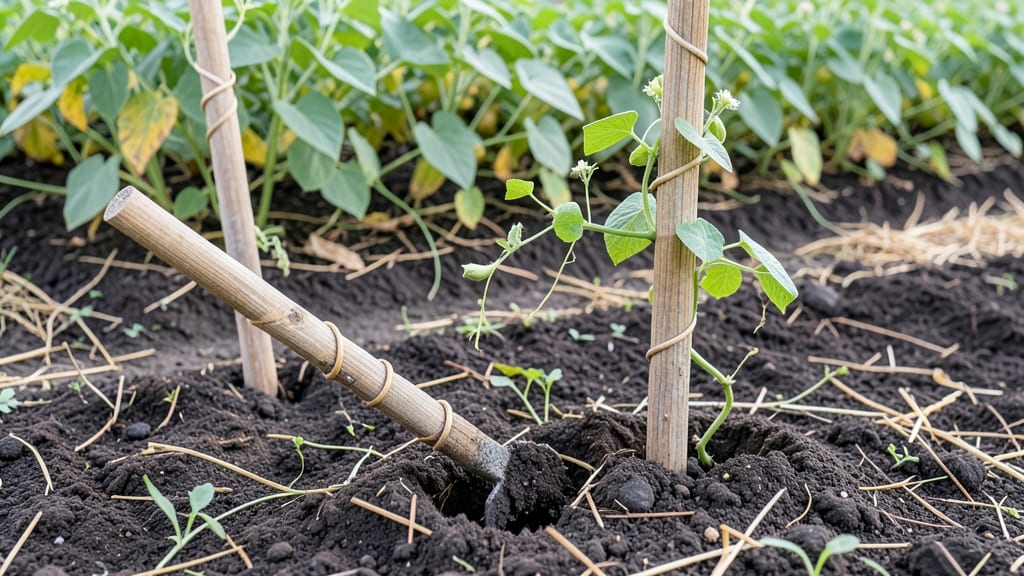
My spiral garden stakes transformed how I support climbing plants—no more flimsy twine or wobbly wooden stakes that collapse under weight. 🌿 These coiled metal supports are the secret weapon for everything from morning glories to heavy vines, and they install in under five minutes with just a hammer and a few screws.
What I love most is how they blend function with style. The spiral design lets vines twine naturally while keeping plants off the ground, which cuts back on pests and disease. Plus, they’re adjustable—no more guessing if your trellis is the right height for your cucumbers or beans.
I’ve used them in raised beds, along fences, and even in containers, and they hold up through wind and rain like a dream.
You’ll end up with plants that grow taller, produce more, and look intentional without sacrificing your weekend for assembly. The stakes work for annuals, perennials, and even small fruit trees, and their clean lines make them disappear into the garden instead of standing out as an eyesore.
Best part? They’re reusable year after year, saving you money and reducing waste.
Perfect for small spaces, vertical gardens, or anywhere you want to maximize growing room without sacrificing aesthetics. Whether you’re training a single rosebush or creating a full living wall, these stakes make the job effortless—and your garden looks like it belongs in a magazine.
📚 In This Guide
- What you need
- Instructions
- Tips and common mistakes
- Wrapping up and next steps
What you need
- ● Spiral garden stakes – Choose 3-6 stakes per climbing plant, depending on height and weight (e.g., 4–6 ft tall for vines like beans or cucumbers; 6–8 ft for heavier plants like grapes or kiwi). Opt for galvanized metal or sturdy plastic for durability.
- ● Garden gloves – A pair to protect your hands from thorns or rough edges.
- ● Hammer or mallet – For driving stakes into the ground (or a stake driver for easier insertion).
- ● Measuring tape – To ensure stakes are spaced 12–18 inches apart for optimal support.
- ● Twigs, twine, or plant ties – To gently secure vines to the spirals as they grow.
- ● Watering can or hose – For post-installation hydration (because happy plants = happy growth!).
- ● Soil spikes or rubber mallet caps – To prevent damaging stakes or concrete surfaces.
- ● Decorative covers or paint – For a polished look (great for urban gardens!).
- ● Trellis netting – Extra support for sprawling vines like pumpkins or melons.
- ● Garden marker flags – To label stakes if you’re growing multiple varieties.
Step-by-Step instructions for installing spiral garden stakes
Here's how to create sturdy, attractive support for vines in under 30 minutes.
🌱 Step 1: Gather Materials and Prepare the Plant
You'll need 4 spiral garden stakes (one per plant), 4 garden staples, and pruning shears. Start by selecting a healthy vine with 3-4 mature leaves—this ensures it has enough energy to climb. If your plant is already in the ground, wait until morning when the soil is moist for easier installation.
Gently loosen the soil around the base of the plant with your fingers to create a 2-inch deep hole. This prevents root damage when you insert the stake. I always check for any tangled roots that might need untangling before proceeding—nothing worse than struggling with a stake later because roots got in the way.
🪴 Step 2: Position and Insert the Spiral Stake
Place one spiral stake 3-4 inches away from the main stem, angled slightly toward the plant's growth direction. The stake should stand 12-18 inches tall—taller for vigorous climbers like morning glories, shorter for lighter vines like clematis. Press the bottom 2 inches into the soil at a 45-degree angle to create stability.
Use your fingers to firm the soil around the base of the stake. If the soil feels loose, add a small amount of water to help it settle. The spiral design naturally guides the vine upward, but you'll still need to train it. I like to leave a 1-inch gap between the stake and the plant stem to prevent rubbing that could damage the vine.
✂️ Step 3: Secure the Vine to the Stake
Select the strongest, healthiest stem and gently weave it through the first spiral. Use one garden staple to secure it in place—push the staple through the vine and into the stake, but don't overtighten. You want just enough pressure to hold the vine without crushing it. I always staple at the second or third leaf node from the bottom for best support.
As the vine grows, continue weaving it through each spiral and securing with additional staples every 6-8 inches. Avoid stapling directly over joints or leaf nodes—this can restrict growth. If your vine grows quickly, you'll need to add more staples weekly to keep it guided. Watch for any signs of strain where the vine bends around the spiral.
☀️ Step 4: Maintain and Adjust as Needed
Check the stakes weekly to ensure they remain upright and the vine isn't slipping. If the stake leans, gently push it back into place and firm the soil around the base. During heavy rain or wind, you might need to add 1-2 extra staples for temporary reinforcement. I've found that stakes work best when positioned on the shady side of the plant to reduce sun exposure that can dry out the soil and loosen the stake.
As your vine matures, you can add extension stakes (if using a set with adjustable lengths) to provide extra height. Prune any side shoots that aren't climbing the main stem to encourage upward growth. The goal is to keep the vine focused on the spiral—this creates a neat, vertical display while preventing tangled growth that can harbor pests.
Tips & tricks for perfect spiral garden stake installation
These simple tricks will help you create sturdy, long-lasting support for your climbing plants without the common headaches.
Soil Prep Matters: The 2-inch deep hole you create in Step 1 isn't just about making room for the stake—it's about giving the stake proper support. I've found that adding a small amount of compost to the hole helps the soil firm up better around the stake's base. This prevents leaning, especially in windy conditions. For heavier vines like morning glories, you might want to dig the hole slightly deeper (about 2.5 inches) to accommodate the extra weight.
Stake Angle Secret: That 45-degree angle in Step 2 isn't arbitrary—it creates a natural triangle of support that resists leaning. If you're working with particularly vigorous vines, consider inserting the stake at a slightly steeper angle (around 50 degrees) to provide even more stability. Just remember to firm the soil well around the base to maintain that angle over time.
Stapling Strategy: When securing your vine in Step 3, think of the staples as temporary training wheels. I've learned the hard way that stapling too tightly can restrict growth—aim for just enough pressure to hold the vine without crushing it. For particularly flexible vines, you might need to add an extra staple every 4-6 inches rather than the recommended 6-8 inches. Watch for any signs of strain where the vine bends around the spiral.
Weekly Maintenance Hack: Your weekly check in Step 4 is crucial, but here's a pro tip: do it on a cloudy day or in the evening when the soil is naturally moister. This makes it easier to firm the soil around leaning stakes without disturbing the roots. If you notice the stake pulling away from the soil, add a small amount of water to help it settle back into place.
Pro Tips for Spiral Garden Stakes
- These simple tricks will help you create sturdy, long-lasting support for your climbing plants without the common headaches.
- Soil Prep Matters: The 2-inch deep hole you create in Step 1 isn't just about making room for the stake—it's about giving the stake proper support.
- Stake Angle Secret: That 45-degree angle in Step 2 isn't arbitrary—it creates a natural triangle of support that resists leaning.
Frequently asked questions
Got questions about spiral garden stakes? You’re not alone! Here are some of the most common queries—plus quick, practical answers to help you get the most out of your climbing plant support system.
What’s the best time of year to install spiral garden stakes?
Install spiral stakes in early spring before planting or late winter if you’re prepping for summer bloomers. This gives roots time to establish while the stakes provide support from day one. For perennials, place them in fall after the first frost to avoid disturbing new growth.
Can I reuse spiral stakes year after year?
Spiral stakes are built to last—just clean them thoroughly after each season with soapy water to remove sap or mold. Store them in a dry place (like a shed or garage) to prevent rust or warping. With proper care, they’ll support your plants for 5+ years.
What’s the difference between spiral stakes and traditional trellises?
Spiral stakes are portable, lightweight, and plant-specific, while trellises are fixed structures for larger areas. Stakes are ideal for vines like clematis, morning glories, or cucumbers—they wrap naturally around the spiral as they grow. Trellises work better for heavy climbers like grapevines or kiwi plants.
My plant won’t climb the stake—what’s going wrong?
Check these fixes:
- Timing: Some vines (like passionflowers) need tendrils to grip—wait until they’re 6+ inches tall.
- Placement: Ensure the stake is close to the plant’s base (3–4 inches away) so vines can reach it.
- Growth habit: If your plant is self-supporting (e.g., roses), use stakes as guides, not the sole support.
Are spiral stakes worth the investment over cheaper alternatives?
Yes—if you value durability, ease, and versatility. Cheap bamboo or wooden stakes may warp or break, but spiral stakes adjust as plants grow, saving you time and frustration. For heavy climbers (like pumpkins), pair them with twine or clips for extra security.
Wrapping up and next steps
Transforming your garden into a lush, vertical paradise has never been easier with spiral garden stakes—the perfect blend of simplicity and strength! Whether you're a seasoned gardener or just starting, these versatile tools offer effortless support for climbing plants, saving you time and effort. 🌱
Ready to elevate your gardening game? Grab your spiral stakes, pick your favorite climbers, and start planting today! Your future vine-covered retreat awaits—just a few minutes of setup away.
- Next step: Browse our recommended spiral stakes and get growing!