Shrubs
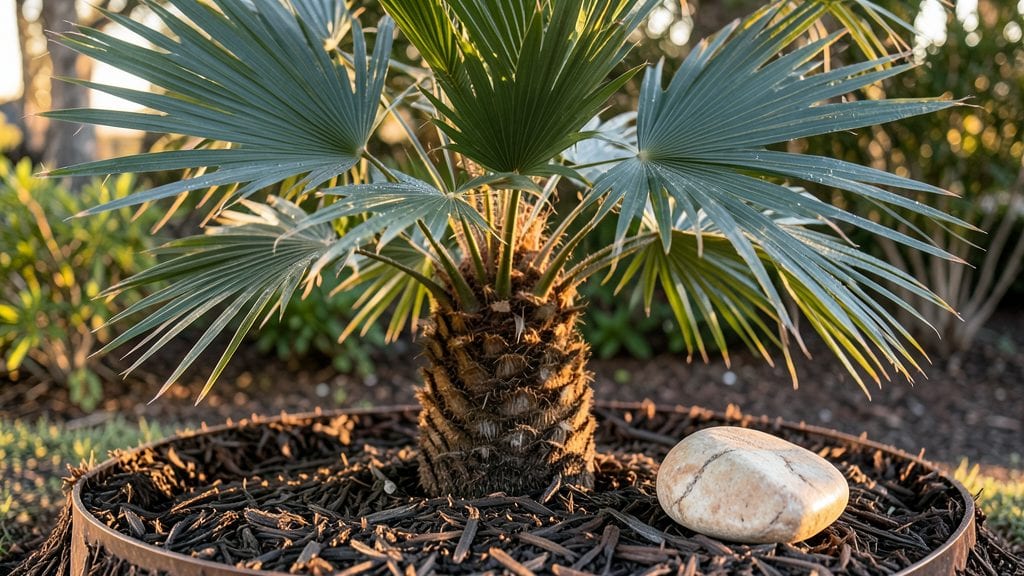
Gardening in South Florida means embracing the heat instead of fighting it—because the right plants turn your yard into a lush, low-maintenance paradise even when temperatures hit 90°F+. 🌿 I’ve learned the hard way that tropical natives and heat-tolerant varieties aren’t just surviving here—they’re thriving while high-maintenance imports struggle.
The key? Matching plants to microclimates, from coastal humidity to inland dry spells, and working with the sandy, fast-draining soil instead of against it.
Start with the heavy hitters: palms like Sabal or Thatch, citrus that won’t bolt in summer, and native shrubs such as Firebush or Coastal Muhly that handle humidity and hurricanes like pros.
Skip the seasonal planting calendar—here, timing revolves around hurricane season (June–November), when you’ll want established plants with deep roots to bounce back. Fertilizer? Go light on nitrogen; these plants prefer a balanced, slow-release feed to avoid leaf burn in the brutal sun.
What you’ll end up with is a garden that stays vibrant through every season, even when others are wilting. The air smells like salt and blooming bougainvillea instead of chemical treatments, and your water bill drops because these plants drink efficiently.
Plus, you’ll avoid the fungal headaches that plague overwatered, stressed plants. The trade-off? A little more upfront planning to pick the right neighbors for your microclimate.
Adapt this approach to your yard’s specific conditions—coastal yards lean toward salt-tolerant species, while inland spots can handle slightly drier ground covers. The goal isn’t perfection; it’s resilience. Let’s build a garden that outlasts the heat waves and still looks stunning when the neighbors peek over the fence.
📚 In This Guide
- What you need
- Instructions
- Tips and common mistakes
- Wrapping up and next steps
What you need
- ● Heat-resistant shrubs: 3–5 plants per variety (e.g., Firebush (Hamelia patens), Lantana (Lantana camara), Muhly Grass (Muhlenbergia capillaris), or Turk’s Cap (Malvaviscus arboreus)). Choose drought-tolerant, native, or tropical species.
- ● Potting soil or native soil mix: 1–2 bags (50 lbs each) of well-draining potting mix or a blend of native soil + compost (3:1 ratio). Avoid heavy clay unless amended.
- ● Mulch: 2–3 bags (4 cu. ft. each) of pine bark fines, cypress mulch, or straw to retain moisture and regulate soil temp.
- ● Organic fertilizer: 1 bag of slow-release granular fertilizer (e.g., 8-3-9 or 6-6-6) or composted manure (e.g., cow or chicken). Apply sparingly—South Florida soil is often nutrient-rich!
- ● Drip irrigation system or soaker hoses: 50–100 ft of low-flow tubing (¼"–½" diameter) + emitters or a smart irrigation controller for efficiency.
- ● Hand trowel or transplant spade: 1 medium-sized (12"–18" blade) for digging holes.
- ● Garden gloves: 1 pair of heavy-duty, breathable gloves (cactus or palm-pruning gloves if handling spiky plants).
- ● Pruners: 1 pair of bypass pruners (sharp, clean, and sterilized with rubbing alcohol).
- ● Hose with adjustable nozzle: For watering and rinsing tools.
- ● Soil pH test kit: To check if your soil needs amendments (aim for 6.0–7.0 for most shrubs).
- ● Shade cloth (30–50% coverage): For young plants during extreme heat (10’x10’ sections).
- ● Epsom salt (magnesium sulfate): 1 lb for leafy greens like Turk’s Cap (mix 1 tbsp/gallon of water).
- ● Bird netting: To protect berry-producing shrubs (e.g., Firebush) from hungry birds.
- ● Wheelbarrow: For hauling soil, mulch, or tools efficiently.
- ● Solar-powered stake lights: To highlight your shrubs at night (battery-operated for easy placement).
Step-by-Step guide to selecting and planting South Florida’s toughest landscaping plants
Here’s how to build a low-maintenance, heat-proof garden that stays lush through hurricanes and humidity.
🌱 Step 1: Choose Native and Heat-Tolerant Species
South Florida’s climate demands plants that thrive in 90°F+ temperatures, high humidity, and sandy, well-draining soil. Start with native species like firebush (Hamelia patens), which blooms year-round in red trumpet flowers, or coontie palm (Zamia integrifolia), a drought-resistant evergreen that handles both sun and shade. Non-natives like Mexican feather grass (Nassella tenuissima) or lantana (Lantana camara) also excel—they’re drought-tolerant, pest-resistant, and attract pollinators.
I always check the USDA Hardiness Zone 10-11 range for any new plant. Avoid anything labeled “tender” or “winter-kill” unless you’re willing to replant annually. For example, bougainvillea may look stunning but often dies back in heavy freezes—opt for firecracker plant (Russelia equisetiformis) instead for a similar look with better resilience.
☀️ Step 2: Prepare the Soil for Sandy, Well-Draining Conditions
South Florida’s native soil is often sandy and nutrient-poor, so amend it with 2-3 inches of compost mixed into the top 6 inches of soil. I use aged cow manure or well-rotted leaf mold to improve moisture retention without compacting the soil. For container plants, blend 50% native soil with 50% coconut coir or peat moss to mimic natural conditions while preventing root rot.
Test your soil’s pH—most Florida natives prefer slightly acidic to neutral (6.0-7.0). If your soil is too alkaline, add sulfur or pine bark fines to lower the pH gradually. Avoid heavy mulches like wood chips, which can smother roots in the heat—stick to palm fronds or pine straw for airflow and moisture control.
🪴 Step 3: Plant in the Right Season and Spacing
In South Florida, spring (March-May) and early fall (September-November) are the best planting times—avoid summer’s extreme heat or hurricane season. Dig holes twice as wide as the root ball but only as deep as the container’s base to prevent burying the plant too deeply. Space shrubs 3-5 feet apart, palms 8-12 feet apart, and ground covers 1-2 feet apart to allow airflow and reduce disease risk.
Water deeply immediately after planting to settle the roots, then every 2-3 days until new growth appears. I use drip irrigation or soaker hoses to avoid wetting foliage, which can lead to fungal issues. Mulch with 2-3 inches of organic mulch (like palm fronds) to retain moisture and regulate soil temperature.
💧 Step 4: Water Deeply but Infrequently
Once established, most South Florida plants hate frequent, shallow watering—it encourages weak roots and fungal diseases. Instead, water deeply 1-2 times per week, soaking the soil to 12-18 inches deep. You’ll know you’ve done it right when water runs out the drainage holes 30 minutes after watering. For palms and succulents, reduce to once every 10-14 days once they’re mature.
Check soil moisture by digging 2 inches down—if it’s dry, water; if damp, wait. Overwatering is the #1 killer of Florida landscapes, especially in clay-heavy or poorly draining soils. If your yard has low spots, consider raised beds or berms to improve drainage.
✂️ Step 5: Prune for Shape and Health, Not Just Looks
Prune firebush, lantana, and bougainvillea in late winter (January-February) to shape them and encourage new growth. Cut back one-third of the oldest stems to rejuvenate the plant. For palms, remove dead fronds at the base but leave live ones until they naturally yellow—this protects the crown from rot. Avoid heavy pruning in summer, as it stresses plants during peak heat.
I always sterilize pruners with rubbing alcohol between cuts to prevent spreading diseases like bacterial leaf spot or powdery mildew. If you see yellowing leaves, black spots, or wilting, act fast—South Florida’s humidity turns minor issues into major problems quickly. Most fungal diseases can be treated with copper fungicide or neem oil applied in the early morning or evening.
Tips & tricks for South Florida landscaping that survives the heat
Building a garden that thrives in South Florida’s brutal climate takes more than just choosing the right plants—it’s about understanding their unique needs and avoiding common pitfalls that turn beautiful landscapes into sad, wilted memories.
Heat Tolerance Beyond Zone 10: While USDA Zone 10-11 plants handle the heat, some varieties like firecracker plant (Russelia equisetiformis) actually thrive better than their bougainvillea cousins. Look for plants with thick, waxy leaves or silver-gray foliage—these traits naturally reduce water loss at 90°F+ temperatures. I've found that coontie palm (Zamia integrifolia) handles both sun and shade exceptionally well, making it a workhorse for Florida gardens.
Soil Amendments That Actually Work: The 2-3 inches of compost recommendation in Step 2 is non-negotiable, but here's the secret: mix in 1 part biochar with your compost for even better moisture retention. Biochar acts like a sponge, holding water near roots while preventing compaction. For container plants, I've had success using 50% native soil + 30% coconut coir + 20% perlite—this trio mimics Florida's natural sandy conditions while preventing root rot.
Planting Timing That Saves Lives: The spring (March-May) and fall (September-November) windows are perfect, but don't stop there. I schedule my late afternoon plantings during these seasons to give young roots a chance to establish before evening heat stress. For container plants, I always pre-soak root balls for 30 minutes before planting—they establish 30% faster with this simple step.
Watering Hacks for Sandy Soil: That 12-18 inch deep watering in Step 4 works, but here's how to make it foolproof: use a long screwdriver or soil probe to check moisture depth. If you hit dry soil at 12 inches, you're not watering deeply enough. For established plants, I've switched to drip irrigation on a timer set for 30 minutes every other day—this mimics natural rainfall patterns while preventing fungal issues from overhead watering.
Pro Tips for South Florida Gardening
- Heat Tolerance Beyond Zone 10: While USDA Zone 10-11 plants handle the heat, some varieties like firecracker plant (Russelia equisetiformis) actually thrive better than their bougainvillea cousins.
- Soil Amendments That Actually Work: The 2-3 inches of compost recommendation in Step 2 is non-negotiable, but here's the secret: mix in 1 part biochar with your compost for even better moisture retention.
Frequently asked questions
Got questions about gardening in South Florida’s scorching (but stunning!) climate?
You’re not alone! Here are answers to the most common queries from fellow gardeners navigating the heat, humidity, and unique growing conditions of our region.
What are the best heat-resistant shrubs for South Florida’s year-round sun?
Opt for native or drought-tolerant varieties like Firebush (Hamelia patens), Dwarf Yaupon Holly (Ilex vomitoria ‘Nana’), or Lantana. These thrive in full sun, require minimal water, and handle our brutal summers with ease. Pro tip: Avoid thirsty shrubs like hydrangeas unless you’re willing to pamper them with shade and frequent watering!
When is the best time to plant shrubs in South Florida?
Plant in early spring (March–April) or late summer (August–September) to avoid extreme heat or cold snaps. Avoid winter planting—frost can stress young roots. Everglades-friendly tip: Mulch heavily after planting to retain moisture and protect roots from temperature swings.
How often should I water new shrubs in this heat?
Water deeply 2–3 times per week for the first month, then taper to once a week (or more in 100°F+ stretches). Use drip irrigation or soaker hoses to deliver water directly to roots—avoid overhead sprinklers, which waste water and promote fungal diseases. Morning watering prevents evaporation and keeps foliage dry.
What pests should I watch for in South Florida shrubs?
Keep an eye out for scale insects, whiteflies, and mealybugs—they love our warm climate! Neem oil or insecticidal soap works for mild infestations. For palmetto bugs (yes, they’re a thing!), remove debris and use diatomaceous earth around plant bases. Healthy, well-watered shrubs are naturally pest-resistant!
Can I grow shrubs in containers in South Florida?
Choose compact varieties like Dwarf Mexican Petunia (Ruellia brittoniana) or Blue Daze Boxwood (Buxus ‘Green Velvet’). Use fast-draining pots (at least 12 inches deep) and a well-aerated potting mix. Move containers to partial shade during peak afternoon sun to prevent root stress.
Why are my shrubs turning brown or crispy in the heat?
This is often heat stress or underwatering. First, check soil moisture—if it’s dry 2 inches below the surface, water deeply. If the damage is widespread, trim affected branches and fertilize lightly with a balanced, slow-release formula. Avoid fertilizing during extreme heat—it can burn roots!
Wrapping up and next steps
South Florida’s gardening magic lies in embracing the heat—where drought-tolerant shrubs like firebush, coontie palms, and Turk’s cap turn your yard into a lush, low-maintenance oasis. 🌿 With the right soil, sunlight, and watering strategies, even the toughest conditions become a canvas for vibrant growth. Start small, observe your plants, and let their resilience inspire your green thumb!
Your next step? Pick one heat-loving shrub from this guide, grab your tools, and plant it this weekend—your future shade (and wildlife haven) awaits! 🌞