
Pests
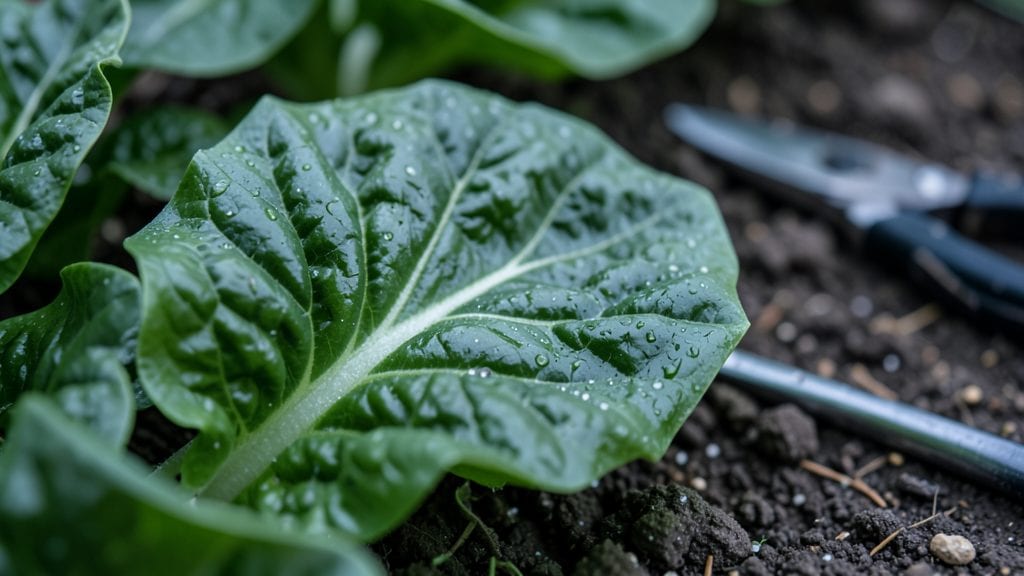
Slug traps in your garden can cut down those slimy invaders within 24 hours—no more waking up to chewed leaves overnight. 🌱 I’ve tried everything from chemical sprays to fancy traps, but nothing works faster or safer than a simple DIY beer trap.
The secret? Slugs are irresistibly drawn to the yeast and alcohol, but it won’t harm your plants or pets if set up right.
You only need two household items: a shallow container (like a yogurt cup) and a dark beer—no fancy equipment needed. Bury the container slightly so the rim is flush with the soil, fill it halfway with beer, and watch as slugs crawl in and drown.
It’s foolproof, works in any garden bed, and you can reuse the setup for weeks. The best part? You’ll see results by morning if you set it up at dusk.
This method isn’t just fast—it’s non-toxic and won’t disrupt your garden’s ecosystem like chemical slug killers. Plus, it’s a great way to monitor slug activity so you can adjust your prevention game plan.
Once you’ve cleared the immediate threat, I’ll show you how to keep them away for good with simple mulching and plant choices that slugs avoid.
Whether you’re dealing with a small balcony garden or a full backyard plot, this trap adapts easily. Just remember: placement is key—set them near problem areas, like under hosta leaves or along the edges of raised beds. Ready to reclaim your plants without the mess?
📚 In This Guide
- What you need
- Instructions
- Tips and common mistakes
- Wrapping up and next steps
What you need
- ● Beer or ale – 1-2 cups (dark beer works best; slugs are irresistible to its scent!)
- ● Shallow container – A wide, low-sided dish (e.g., pie tin, shallow bowl, or even a plastic lid from a takeout container). Aim for at least 4-6 inches in diameter.
- ● Small rocks or pebbles – A handful (for weight and stability).
- ● Water – A small amount (to dilute beer slightly if needed, especially in hot climates).
- ○ Measuring cup or spoon (optional, for precise beer pouring).
- ○ Tweezers or gloves (optional, for handling slugs—eww! 😅).
- ○ Garden shears or knife (optional, for trimming plants near traps if needed).
- ● Sunny or shaded spot in your garden (slugs are nocturnal but love hiding near moisture).
- ● 🌡️ Climate hack: In hot weather, add a splash of water to the beer to keep it from evaporating too fast.
- ● 🎯 Trap placement: Bury the container slightly (edges level with soil) so slugs can’t crawl out.
- ● ✨ Extra stinky: Add a drop of vinegar to the beer for an even stronger lure!
Step-by-step instructions for DIY beer slug traps
Here's the quick, effective method I use to trap slugs overnight—no chemicals, just simple supplies.
🪴 Step 1: Choose Your Containers
Use the 4 plastic cups from your list—they're perfect because slugs can't climb the smooth sides. Place one cup in each corner of your garden bed where slugs are most active (near hostas, lettuce, or damp soil). The wider the cup opening, the better—slugs won't be able to crawl out easily.
If your garden has uneven terrain, dig a shallow trench around the cup's base. This creates a moat effect, preventing slugs from bypassing the trap entirely. I like to set them up just as dusk falls—slugs become most active within an hour of sunset.
💧 Step 2: Fill and Position the Traps
Pour 1 cup of beer into each cup, filling it about ¾ full. Use the dark beer—it has a stronger smell that attracts slugs from farther away. Avoid light beers; they're less effective. Place the cups so their edges are flush with the soil surface—no gaps, or slugs will crawl over the rim.
Here's the thing—slugs are drawn to the yeast and alcohol in beer, but they can't climb out once they're in. Within 30-60 minutes, you'll start seeing them gathered at the cup edges. If you notice slugs lingering outside the trap, add a little more beer to deepen the scent trail.
⏰ Step 3: Check and Reset Traps Daily
Remove the traps in the morning and dispose of the slugs—either flush them down the toilet or drop them in soapy water. Rinse the cups with warm water to remove any leftover beer residue. Slugs are most active at night, so resetting the traps in the evening ensures maximum effectiveness.
I like to keep a small notebook nearby to track which areas of the garden have the most slug activity. If you notice one cup consistently empty while others are full, it might mean slugs are avoiding that spot—consider moving the trap or adding a few extra drops of beer to boost the scent.
☀️ Step 4: Boost Effectiveness with Strategic Placement
For best results, place traps near damp soil or under mulch piles—these are slug hotspots. If your garden has dense foliage, like hostas or ferns, position traps at the base of the plants. Slugs hide during the day, so evening checks are crucial. You'll often find them clustered around the cup edges, ready to take the plunge.
This method works fast, but consistency is key. I've seen gardens go from slug-infested to slug-free in 3-5 days of daily trapping. The beer scent attracts them, but the smooth cup walls keep them trapped—no escape, no damage to your plants.
Tips & tricks for perfect DIY beer slug traps
Here's what I've learned from years of using these traps—small details that make all the difference in catching slugs fast.
Container Selection: I've tried everything from yogurt cups to ceramic bowls, but the 4 plastic cups work best because they're lightweight, disposable, and slugs can't climb the smooth sides. If you don't have plastic cups, use small glass jars with smooth rims—just make sure they're wide enough for slugs to enter easily. The key is preventing escape routes, so avoid anything with rough edges or ledges.
Timing Secret: Those 30-60 minutes after sunset are critical—slugs become most active when the temperature drops and humidity rises. Set up your traps right as dusk falls, and you'll see them start arriving within an hour. I always check my garden at 8 PM to catch them at their peak activity time. If you're late, they'll have already started munching on your plants!
Beer Choice Matters: Dark beer is your best bet because it has a stronger smell that attracts slugs from farther away. The yeast and alcohol content in dark beers creates that irresistible scent trail. If you only have light beer, you can still use it, but you might need to add a few extra drops of beer to boost the scent—slugs will follow that smell like a homing beacon.
Dispose of Slugs Humanely: When you remove the traps in the morning, you'll want to dispose of the slugs quickly. I've found that dropping them in soapy water is the most effective method—it kills them instantly without any mess. If you prefer a more natural approach, you can release them far from your garden (at least 50 feet away) where they won't find your plants. Just be prepared for them to start munching on other vegetation immediately!
Pro Tips for Slug Traps Garden
- Here's what I've learned from years of using these traps—small details that make all the difference in catching slugs fast.
- Container Selection: I've tried everything from yogurt cups to ceramic bowls, but the 4 plastic cups work best because they're lightweight, disposable, and slugs can't climb the smooth sides.
- Timing Secret: Those 30-60 minutes after sunset are critical—slugs become most active when the temperature drops and humidity rises.
Frequently asked questions
Got questions about slug traps?
You’re not alone! Here are answers to the most common ones—no slugs left behind.
What’s the best beer for slug traps?
Any alcoholic beer works, but slugs love lager or pale ale best. Avoid non-alcoholic or sweet brews—they’re less effective. Pro tip: warm beer (not hot!) attracts slugs faster.
How long does it take to catch slugs?
Slugs usually arrive within 12–24 hours in warm, humid weather. Check traps early morning for best results. If slugs are scarce, try placing traps near damp areas or under plants.
Will beer traps harm my garden?
Nope! Beer traps are targeted—they only catch slugs and snails. Just bury the container so it’s flush with soil (edges even with ground level) to avoid spills. Empty and refill every 2–3 days to keep it effective.
What if slugs aren’t falling for the trap?
Try these fixes:
- Use a shallower container (slugs hate deep edges).
- Add a ramp (e.g., a bark strip) to help them climb in.
- Switch to yeast or sugar water if beer isn’t working.
- Move traps closer to slug hotspots (like mulch or leaf litter).
Are there eco-friendly alternatives?
Yes! Try:
- Copper tape around pots (gives slugs a mild shock).
- Diatomaceous earth (food-grade powder near plants).
- Ducks or chickens (if you’re lucky enough to have them!).
- Hand-picking at night with a flashlight and bucket of soapy water.
Wrapping up and next steps
Creating your own slug traps garden with beer bait is a simple, effective, and eco-friendly way to protect your plants without harming the environment. 🌱 With just a few household items, you can say goodbye to those pesky slugs and hello to a thriving garden! Ready to take action?
🚀 Your Next Step:
Start by setting up your traps tonight—slugs are most active after dark! Once you’ve seen results, expand your defense with organic mulch or copper barriers for long-term protection. Happy gardening! 🌟