
Flowers
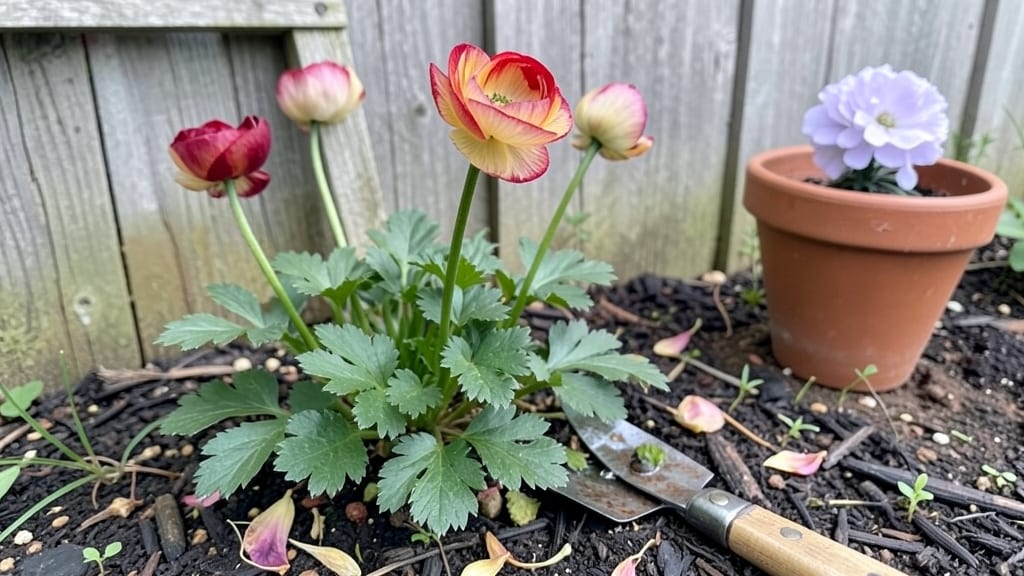
The phrase sisters are the same flowers from a different garden captures how identical seeds can grow into distinct plants when exposed to different growing conditions—like soil quality, sunlight intensity, and water availability.
This poetic comparison highlights how even genetically identical plants develop unique characteristics based on their environment. 🌸 For example, roses grown in acidic soil may bloom brighter red, while those in alkaline soil take on softer pink hues.
Gardeners often use this concept to explain why two plants from the same batch can look completely different when nurtured in separate plots.
Understanding this principle helps in selecting seeds and planning garden layouts. By controlling variables like sunlight exposure and soil composition, you can encourage more predictable growth patterns while still embracing the natural beauty of variation.
💡 In This Article
- How Genetics and Environment Shape Flower Variations
- Cultivating Sister Plants: Practical Tips for Consistent Results
How genetics and environment shape flower variations
The science behind identical seeds producing different plants begins with epigenetics—the study of how environmental factors modify gene expression without altering the DNA sequence itself. When you plant genetically identical seeds, each plant inherits the same genetic blueprint, but their epigenetic markers respond differently to external stimuli.
For instance, a flower like the petunia, which thrives in both full sun and partial shade, may develop deeper pigmentation in direct sunlight due to increased production of anthocyanins (the compounds responsible for red, purple, and blue hues).
Soil chemistry plays a critical role too. The pH level of soil directly affects nutrient availability—acidic soil (pH 5.0-6.0) enhances iron uptake, leading to darker green foliage and richer flower colors, while alkaline soil (pH 7.0-8.0) can cause chlorosis (yellowing leaves) and muted pigmentation.
For example, hydrangeas famously change color based on soil pH: blue in acidic conditions and pink in alkaline. This is because different pH levels alter the availability of aluminum ions, which bind to flower pigments.
Sunlight exposure further complicates the equation. Plants grown under 6-8 hours of direct sunlight develop stronger stems and more vibrant blooms due to increased photosynthesis, while those in partial shade (3-6 hours of sunlight) grow taller but with softer colors.
Take geraniums as a case study: those in full sun produce bold red flowers, while their shade-grown counterparts develop paler pink hues. This happens because sunlight triggers the production of flavonoids, which influence both color and disease resistance.
Water availability adds another layer of variation. Drought-stressed plants often produce smaller, more concentrated blooms as a survival mechanism, while those with consistent moisture develop larger, more open flowers.
For example, roses grown in well-drained soil with regular watering produce abundant, fragrant blooms, whereas those in waterlogged conditions may develop fewer, less vibrant flowers due to root stress. The key factor here is how plants prioritize resources—water, nutrients, and energy—under different conditions.
Even temperature variations can lead to striking differences. Flowers like peony require 60-80°F growing temperatures to thrive, while cold-hardy varieties (such as tulips) can withstand 20-30°F without damage.
This is why identical peony seeds planted in a greenhouse (controlled warmth) may bloom weeks earlier than those in an outdoor garden exposed to seasonal temperature swings. The science here involves vernalization—the process where cold exposure triggers flowering in some species.
What most gardeners don’t realize is that these environmental factors don’t just affect appearance—they also influence aroma and longevity.
For instance, jasmine flowers grown in cooler climates develop a more intense fragrance due to slower metabolic processes, while those in hotter regions may bloom faster but with a milder scent. This is because temperature regulates the production of volatile organic compounds (VOCs), which carry the flower’s aroma. 🌿