Shrubs
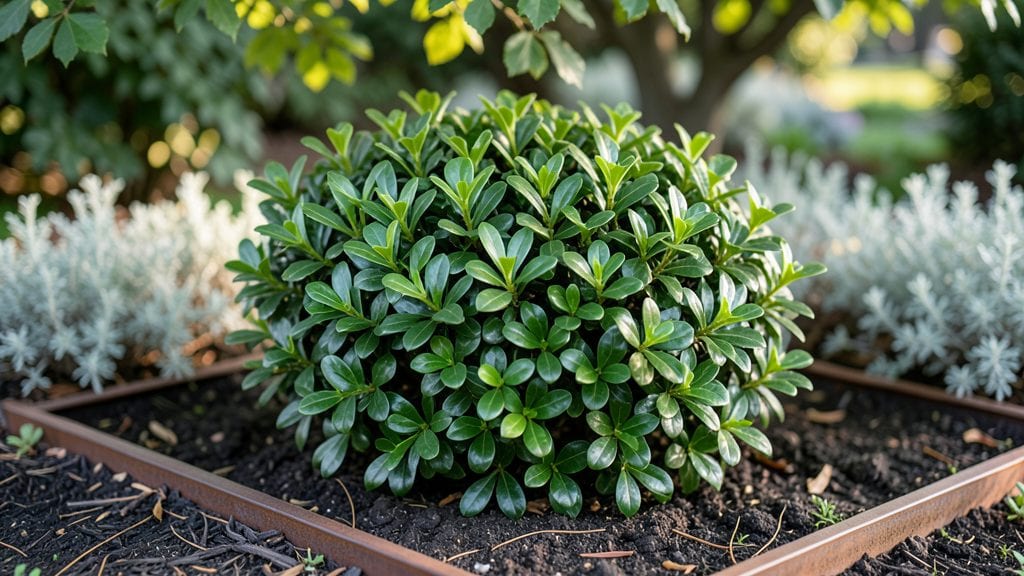
My small garden needed privacy without stealing space—so I turned to compact shrubs that deliver year-round greenery while keeping the yard functional. The right varieties create living walls, borders, or container displays that feel intentional, not cramped.
A well-placed 3-foot-tall shrub can block nosy neighbors or wind while adding layers of texture and color.
Start with evergreens like dwarf boxwood or compact holly for structure, then layer in flowering shrubs like abelia or lilac for seasonal pops of color. Containers work wonders too—just pick varieties bred for small spaces, like mound-shaped hydrangeas or spreading cotoneaster.
Prune strategically in early spring to encourage fuller growth without overpowering your space.
You’ll end up with a garden that feels lush and private, even in tight quarters. The key is choosing plants that grow wide rather than tall, and arranging them to create visual depth.
A mix of heights—say, a 2-foot front row with a 4-foot back row—adds dimension without clutter. Maintenance stays simple with the right picks.
Works for urban backyards, courtyard gardens, or even balcony setups. The same principles apply whether you’re planting directly in the ground or using containers. Let’s make the most of your space!
📚 In This Guide
- What you need
- Instructions
- Tips and common mistakes
- Wrapping up and next steps
What you need
- ● Shrubs: Choose 3–5 compact, slow-growing varieties (e.g., Dwarf Fothergilla, Boxwood 'Green Mountain', or Dwarf Lilac 'Munchkin'). Quantities depend on spacing needs (typically 1–3 plants per 4' x 4' area).
- ● Potting soil or garden soil: 1–2 bags (1–2 cubic feet each) per shrub, amended with compost for drainage.
- ● Containers or planters: 1–2 large pots (12–18" diameter) per shrub if planting in containers, with drainage holes.
- ● Mulch: 1–2 bags (2–3 cubic feet) of organic mulch (e.g., shredded bark) to retain moisture and suppress weeds.
- ● Pruning shears: Bypass pruners (sharp, 5–7" blades) for trimming and shaping.
- ● Gloves: Heavy-duty gardening gloves to protect your hands.
- ● Watering can or hose: With a gentle spray nozzle for post-planting hydration.
- ○ Stakes (optional but helpful): 3–4 wooden or bamboo stakes (6–12" tall) per shrub for support during establishment.
- ● Slow-release fertilizer: Granular or spike form (e.g., 10-10-10) to boost growth in the first season.
- ● Edging tools: For clean borders around shrubs or containers.
- ● Decorative rocks or pebbles: To add texture and prevent soil erosion around base.
- ● Trellis or lattice: If training climbing shrubs (e.g., Clematis) for vertical privacy.
- ● Plant labels: Waterproof tags to track varieties and care notes.
- ● Knee pad or stool: For comfort during planting or pruning.
Instructions for selecting and planting space-saving shrubs in small gardens
Here’s how to choose and install shrubs that deliver privacy and structure without overwhelming limited space.
Choose Compact, Multi-Season Shrubs
For small gardens, prioritize slow-growing, naturally dense shrubs under 6 feet tall at maturity. Dwarf varieties like ‘Little Gem’ Southern Magnolia (4–6 ft) or ‘Dwarf Fountain’ Boxwood (2–3 ft) thrive in tight spaces while offering year-round interest. Check plant tags for mature height—what looks modest now can quickly outgrow a 4-foot-by-4-foot plot.
Look for shrubs with layered branching (like ‘Green Velvet’ Boxwood) or weeping habits (‘Pendula’ Japanese Maple) to create visual depth without bulk. Evergreens like ‘Emerald Gaiety’ Holly provide winter color, while deciduous options like ‘Gold Mound’ Spirea add seasonal contrast. I always cross-reference with local climate zones—some dwarf varieties struggle in hot, dry summers or freezing winters.
Plan Layout for Layered Privacy
Arrange shrubs in staggered rows or clusters to break up sightlines while maintaining airflow. For a 4-foot-tall hedge, space plants 18–24 inches apart—closer for faster coverage, wider for slower-growing varieties. In a small garden, I often use 3 shrubs per corner and 1–2 along fences to create a natural screen without visual heaviness.
Consider height progression: place taller shrubs (5–6 ft) at the back or center, mid-height (3–4 ft) in the middle, and low-growing (1–2 ft) at the front. This tiered approach mimics a forest edge, softening the transition between your space and the outdoors. Sketch a rough layout first—even a quick pencil sketch helps visualize how foliage will fill in over time.
Prepare Planting Holes and Amend Soil
Dig holes twice as wide as the root ball but no deeper—this encourages roots to spread horizontally rather than settle too low. For example, a 2-gallon shrub needs a 12-inch-wide hole. Loosen the sides of the hole with a garden fork to reduce compaction, which restricts root growth in small spaces.
Amend the native soil with 1 part compost to improve drainage and fertility, especially if your garden has heavy clay or sandy soil. Mix the compost into the bottom 6 inches of the hole, then place the shrub so the top of the root ball sits 1 inch above ground level. This prevents stem rot from sitting water. Tap the soil gently around the roots to eliminate air pockets.
Water and Mulch for Retention
Water deeply immediately after planting to settle the soil and eliminate air gaps. Use 1–2 gallons per shrub, depending on size, and let the water soak in completely. Avoid overhead watering—it compacts soil and can dislodge newly planted roots. Instead, water at the base until moisture reaches 6 inches down, which encourages deep root development.
Apply 2–3 inches of mulch (like shredded bark) around the base, keeping it 3 inches away from the stem to prevent rot. Mulch conserves moisture and regulates soil temperature, which is critical in small gardens where soil dries out faster. Replenish mulch annually—it breaks down and loses effectiveness over time. This step alone cuts watering needs by 30–50% in the first growing season.
Prune and Maintain for Long-Term Shape
Lightly shape shrubs in early spring before new growth appears, focusing on removing dead, crossing, or inward-growing branches. For boxwoods and hollies, I use clean, sharp pruners to make cuts just above a leaf bud or branch collar. Avoid heavy pruning—it stresses small shrubs and can lead to leggy growth or disease entry points.
Fertilize lightly in early spring with a balanced, slow-release fertilizer (10-10-10) to support root development. Over-fertilizing in small gardens leads to rapid, weak growth that flops over. Monitor for pests like spider mites or scale, which thrive in dense foliage. A strong spray of water in the morning often dislodges them before they become established.
Tips & tricks for perfect space-saving shrub planting
A few strategic choices can transform your small garden into a lush, private retreat. Here's what I've learned from years of working with compact shrubs.
Selection Tip: When choosing shrubs, always verify their mature height against your space. For example, a 'Little Gem' Southern Magnolia might look perfect at 4 feet, but it can reach 6 feet—measure your available space first. Consider 'Gold Mound' Spirea's golden foliage, which stays under 3 feet while providing seasonal color. The key is matching shrub habit to your garden's dimensions rather than just aesthetics.
Layout Strategy: For maximum privacy in tight spaces, I recommend creating a staggered pattern where taller shrubs (5-6 feet) anchor the back, mid-height varieties (3-4 feet) form the middle layer, and low-growing plants (1-2 feet) frame the front. This creates visual depth while maintaining airflow between plants. In my own small garden, I placed three 'Dwarf Fountain' Boxwoods at each corner and two 'Emerald Gaiety' Hollies along the fence line—this arrangement provides complete coverage while feeling intentional rather than crowded.
Planting Technique: The 1-inch elevation of the root ball above ground level in Step 3 is critical for preventing stem rot. I've seen many gardeners bury the root ball too deeply, which suffocates the plant over time. When tapping soil around roots, use your hands rather than a shovel to avoid compacting the soil further. This gentle approach helps roots establish more quickly in small spaces where competition for nutrients is fierce.
Maintenance Insight: That 10-10-10 balanced fertilizer recommendation in Step 5 is perfect for small gardens. I've found that over-fertilizing leads to rapid but weak growth that flops over in tight spaces. Instead, apply just half the recommended dose in the first year to let roots establish properly. For pest control, I've had success with a simple morning water spray—it dislodges spider mites before they become established, which is especially important in dense shrub plantings where airflow can be limited.
Pro Tips for Shrubs Small Garden
- A few strategic choices can transform your small garden into a lush, private retreat. Here's what I've learned from y...
- Selection Tip: When choosing shrubs, always verify their mature height against your space. For example, a 'Little Gem...
- Layout Strategy: For maximum privacy in tight spaces, I recommend creating a staggered pattern where taller shrubs (5...
Frequently asked questions
Got questions about shrubs for small gardens? You’re not alone! Here are some of the most common concerns—and their solutions—to help you create a lush, low-maintenance space with ease.
What are the best fast-growing shrubs for small gardens?
Opt for Bamboo (non-invasive varieties like Fargesia), Weigela, or Ninebark (Physocarpus). These grow 12–24 inches per year while staying compact. For instant privacy, try Dwarf Fothergilla or Boxwood (Buxus), which mature quickly without sprawling.
When is the best time to plant shrubs in a small garden?
Plant in early spring (after the last frost) or fall (4–6 weeks before frost). Avoid summer heat or winter cold, as roots struggle to establish. Pro tip: Water deeply after planting to reduce transplant shock!
How do I keep shrubs from overcrowding in a tiny space?
Choose dwarf or columnar varieties (e.g., Dwarf Lilac, Compact Hydrangea). Prune regularly to control growth—cut back 1/3 of new growth in late winter. Space plants 3–6 feet apart (check tags for specifics) and mulch to limit root competition.
What do I do if my small-garden shrubs get pests or diseases?
Start with prevention: Ensure good airflow, water at the base (not leaves), and remove fallen debris. For pests (aphids, spider mites), spray with neem oil or insecticidal soap. Fungal issues? Prune infected branches and apply copper fungicide. Monitor regularly—early action is key!
Can I mix shrubs with flowers or herbs in a small garden?
Pair evergreen shrubs (like Boxwood) with perennials (e.g., Lavender, Salvia) or edible herbs (Thyme, Oregano). Just ensure shrubs get 6+ hours of sunlight and herbs don’t steal nutrients. Design tip: Use container shrubs (e.g., Dwarf Gardenia) to add height without bulk.
Wrapping up and next steps
Transforming your small garden into a lush, private retreat is totally within reach! With the right shrubs for small gardens, you can enjoy year-round greenery, texture, and even seasonal blooms—all while maximizing every inch of space.
Whether you opt for compact evergreens, cascading varieties, or fragrant climbers, the key is choosing plants that thrive in your conditions and fit your vision.
Ready to get started? Sketch a quick layout of your garden, measure key areas, and pick 2-3 shrubs that catch your eye. Then, grab your gardening tools and turn that vision into reality—your future self (and neighbors!) will thank you! 🌿✨