
Companion Plants
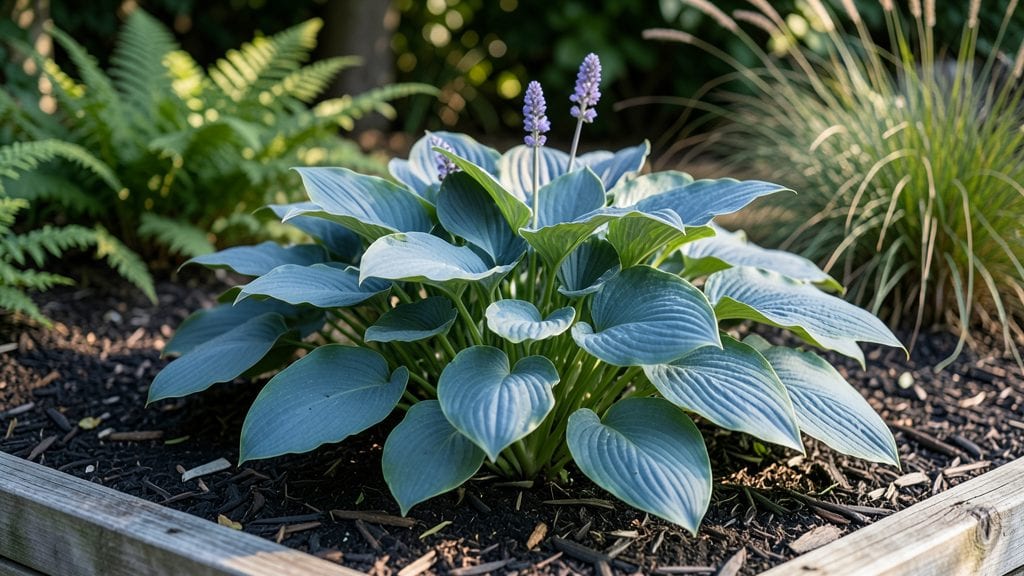
Shady garden plants transform dull corners into lush, vibrant spaces where sunlight struggles. 🌿 I’ve turned my own shady spots into thriving gardens by choosing the right plants—ones that don’t just survive but flourish in low light.
The key is selecting plants that love the cool, damp conditions most shade areas provide, and pairing them in ways that create depth and texture.
You don’t need fancy equipment or rare finds—just a few foolproof plants like hostas, ferns, and impatiens, plus some strategic layering. Hostas bring bold foliage, ferns add delicate fronds, and impatiens splash color where others fade.
These plants stay healthy with minimal fuss, making them perfect for busy gardeners who want beauty without the upkeep.
By the end of the season, you’ll have a year-round garden that stays lush even when others wilt. The foliage stays vibrant, the flowers keep blooming, and the space feels alive—no matter how much shade it gets.
The best part? These plants work together to create a cohesive look that feels intentional, not accidental.
Whether you’re working with a deep woodland shade or just a spot under a tree, these plants adapt easily. Start with a mix of heights and textures, and watch your shady garden become the envy of the neighborhood. Let’s bring that shade to life—without the struggle.
📚 In This Guide
- What you need
- Instructions
- Tips and common mistakes
- Wrapping up and next steps
What you need
- ● Shade-tolerant plants: 5–10 mature plants (e.g., Hostas, Ferns, Hellebores, Astilbes, or Lungwort). Choose 3–5 varieties for diversity.
- ● High-quality potting soil: 2–3 bags (10–15 lbs each) of peat-free, well-draining soil mix (e.g., Miracle-Gro Organic Potting Mix or FoxFarm Ocean Forest).
- ● Compost or organic fertilizer: 1–2 bags of balanced, slow-release fertilizer (e.g., 10-10-10 or fish emulsion).
- ● Mulch: 1–2 bags of organic mulch (e.g., pine bark fines or shredded leaves) to retain moisture.
- ● Garden gloves (1 pair, waterproof for comfort).
- ● Hand trowel or transplant spade (for delicate root handling).
- ● Pruners or shears (sharp, sterilized for clean cuts).
- ● Watering can or hose with a gentle spray nozzle (avoid harsh streams!).
- ● Measuring tape or ruler (to space plants 12–24 inches apart, depending on variety).
- ● Shade cloth (if your garden gets partial sun; use 30–50% block).
- ● Soil pH test kit (ideal range: 5.5–6.5 for most shade plants).
- ● Decorative stones or pebbles (for a polished, low-maintenance look).
- ● Plant markers (to label varieties and track growth).
Step-by-Step guide to designing a thriving shady garden
Here's how to create a vibrant garden that flourishes in low-light spots—no sun required.
🌿 Step 1: Choose the Right Shade-Tolerant Plants
Start with plants that naturally thrive in low to no direct sunlight. Hostas, ferns, astilbes, and lungwort are my go-to picks—they handle shade beautifully while adding texture and color. Check the USDA hardiness zone for your area to select varieties that survive winter in your climate.
I always group plants by their shade preferences. For deep shade (less than 3 hours of sun), opt for plants like heucheras or bleeding hearts. In partial shade (3-6 hours of sun), impatiens or coleus will shine. This prevents overcrowding and ensures each plant gets the right conditions.
🪴 Step 2: Prepare the Soil for Moisture Retention
Shady gardens need well-draining but moisture-retentive soil. Amend your native soil with 2-3 inches of compost (from the provided materials) to improve fertility and water retention. Avoid heavy clay soil—it stays soggy and suffocates roots.
I like to mix in a handful of perlite or sand (if your soil is dense) to help with drainage while keeping moisture. Test the soil by squeezing a handful—it should hold together but not be sticky. If it feels compacted, add more organic matter until it feels light and crumbly.
☀️ Step 3: Plant in Layers for Year-Round Interest
Create depth by planting tall plants in back, medium-height in the middle, and low-growing ground covers in front. For example, place ferns or astilbes (3-4 feet tall) at the back, heucheras or impatiens (1-2 feet) in the middle, and creeping jenny or ajuga (6 inches or less) in front.
Space plants according to their mature size—crowding leads to competition for nutrients and water. I dig holes twice as wide as the root ball and just as deep, then gently loosen roots before placing them in. Water deeply right after planting to settle the soil.
💧 Step 4: Water Consistently Without Overdoing It
Shady gardens dry out slower than sunny ones, but overwatering is still a risk. Water deeply once a week, or more often if the top 1-2 inches of soil feel dry. Mulch with 2-3 inches of shredded bark or leaves (from your materials) to retain moisture and suppress weeds.
I check moisture by sticking my finger into the soil—if it feels damp 1 inch down, hold off on watering. Avoid wetting the leaves, especially in humid climates, to prevent fungal diseases like powdery mildew. A drip irrigation system works best for even moisture distribution.
✂️ Step 5: Prune and Maintain for Long-Term Health
Deadhead spent blooms on plants like impatiens or astilbes to encourage more flowers. Cut back leggy or overgrown foliage in early spring to promote bushier growth. For hostas or ferns, I remove yellowed leaves in late winter to make room for new growth.
Fertilize lightly in early spring with a balanced, slow-release fertilizer (like 10-10-10). Too much fertilizer can burn roots in shade, so I stick to half the recommended dose. Watch for pests like slugs—shady gardens attract them, so I set out beer traps or diatomaceous earth as needed.
Tips & tricks for perfect shady garden design
A few key strategies will help you avoid common mistakes and create a thriving shade garden that stays lush all year.
The Plant Placement Secret: In Step 1, when grouping plants by sun exposure, remember that 3-6 hours of sun is actually considered partial shade—this is where your most vibrant bloomers like impatiens and coleus will thrive. I've found that placing these in the middle of your garden creates a natural transition zone that prevents harsh light from reaching your deep shade plants like heucheras. This layered approach mimics natural forest understory conditions where plants evolve to coexist with varying light levels.
Soil Test Hack: Before amending your soil in Step 2, perform a simple squeeze test: take a handful of moist soil and try to form a ball. If it crumbles easily, your soil drains too quickly and needs more compost. If it holds together but breaks when you poke it, you're golden. If it sticks to your fingers like clay, mix in 1 part perlite to 3 parts compost to improve structure. This quick check saves you from over-amending or creating waterlogged conditions.
Layering Visual Cue: When creating your layers in Step 3, think of it like building a stage set—your tallest plants (3-4 feet) should be at the back where they won't cast too much shade on smaller plants. I like to use fern fronds as a visual guide**: if you can see the fronds clearly from the front, your taller plants are too close. This spacing ensures even light penetration to all layers, which is crucial for shade plants that still need some indirect light to thrive.
Watering Wisdom: The once-a-week watering guideline in Step 4 works best when you water deeply—aim for 1 inch of water per week (about 16 gallons per 100 square feet). I've learned the hard way that shallow watering encourages shallow root growth. Use a rain gauge or tuna can to measure—when filled with water, that's your 1-inch target. This consistent deep watering prevents the root systems from becoming too surface-oriented, which is especially important for shade plants that naturally grow in more humid conditions.
Pro Tips for Shady Garden Plants
- A few key strategies will help you avoid common mistakes and create a thriving shade garden that stays lush all year.
- I've found that placing these in the middle of your garden creates a natural transition zone that prevents harsh light from reaching your deep shade plants like heucheras.
- Soil Test Hack: Before amending your soil in Step 2, perform a simple squeeze test: take a handful of moist soil and try to form a ball.
Frequently asked questions
Got questions about thriving plants in shady spots?
You’re not alone! Here are some of the most common concerns—and straightforward answers—to help you create a lush, low-light garden with confidence.
What are the best fast-growing shady plants for quick results?
If you want to see greenery fast, opt for hostas (they spread quickly), astilbes (burst with color in early summer), or ferns like the maidenhair fern. Liriope (monkey grass) also grows rapidly and handles shade well. Just ensure your soil stays moist—these plants thrive with consistent watering!
How long does it take for shady plants to establish?
Most shade-tolerant plants take 1–3 years to fully establish, depending on the species. Slow growers like heucheras or hosta may take longer, while aggressive spreaders (e.g., lamium) fill in faster. Patience pays off—established roots mean less watering and more resilience in tough seasons.
Do shady plants need extra care during droughts?
Yes! Shade-loving plants rely on consistent moisture—drought stress shows up as yellowing leaves or stunted growth. Mulch heavily (2–3 inches) to retain soil moisture, and water deeply but infrequently (early morning is best). Drought-tolerant picks like Japanese painted fern or sweet woodruff need less help once established.
Can I grow vegetables or herbs in shade?
Some edible shade-tolerant options exist! Try lettuce, spinach, or kale (partial shade), rhubarb (deep shade), and mint (thrives in moist, shady spots). Avoid sun-lovers like tomatoes or peppers—opt for slow-growing greens instead. Container gardening works well for herbs like cilantro or parsley in dappled light.
Why are my shady plants turning yellow or brown?
Yellowing leaves often signal overwatering or poor drainage, while brown edges can mean underwatering or sunburn (yes, even shade plants can get it!). Check soil moisture—it should feel damp but not soggy. If leaves are crispy, reduce water; if mushy, improve drainage. Fungal issues (like powdery mildew) also thrive in humid shade—space plants for airflow!
Wrapping up and next steps
Transforming your shady garden into a thriving oasis is totally doable—you don’t need sunshine to succeed! 🌿 From ferns to hostas and hydrangeas, these low-light plants prove that lush greenery can flourish even in the coziest, darkest corners.
The key is choosing the right companions, providing a little TLC, and embracing the unique beauty of shade-loving varieties.
Ready to dive in? Start small: Pick one or two plants from this guide, test your soil, and give them a try! Soon, your garden will be the envy of the neighborhood—all thanks to the magic of shade-friendly gardening. Happy planting! 🌱