Tools
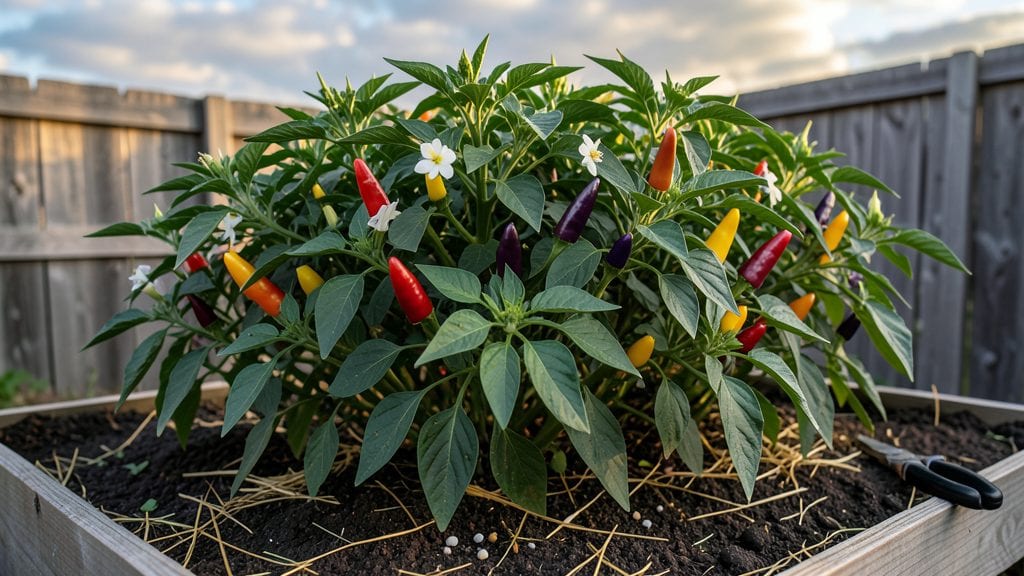
Growing salsa garden peppers from seed to jar is one of the fastest ways to turn your kitchen into a flavor factory. 🌱 I’ve grown everything from mild jalapeños to fiery serranos, and the secret to a bold harvest in just 60 days starts with the right variety and timing.
These peppers aren’t just for spice—they’re packed with bright, tangy flavor that transforms homemade salsa from good to unforgettable.
The best salsa peppers—jalapeños, serranos, or even sweet cherry varieties—thrive in full sun and well-draining soil, but they’re surprisingly low-maintenance once you get them started. You’ll need a 6-inch-deep container or garden bed, consistent water, and a little patience while they establish.
Most gardeners swear by starting seeds indoors 8-10 weeks before the last frost, but transplants work too if you’re short on time.
By mid-summer, you’ll be snipping peppers straight from the plant, and the flavor peaks when they’re firm but slightly plump. Harvest regularly to encourage more production, and store extras in the freezer or can them for year-round salsa.
The best part? One plant gives you enough for dozens of jars—no more bland store-bought salsa in sight.
Whether you’re growing in pots or garden beds, these peppers adapt well to most climates (zones 9-11 do best outdoors year-round). Just watch for aphids or blight, and you’re set for a season of fresh, fiery harvests. Ready to turn your green thumb into a salsa superstar?
📚 In This Guide
- What you need
- Instructions
- Tips and common mistakes
- Wrapping up and next steps
What you need
- ● Salsa pepper seeds: Choose varieties like Jalapeño, Serrano, or Habanero (3-5 seeds per plant, depending on desired yield).
- ● Seed-starting mix: 5-10 lbs of sterile, well-draining potting soil (or coconut coir).
- ● Containers or garden bed: For seedlings: 2-3 inch biodegradable pots (10-12 per variety).
- ● For transplanting: 12-inch deep pots or garden bed with full sun (6+ hours/day).
- ● Fertilizer: Balanced organic fertilizer (10-10-10) or compost (1-2 tbsp per plant).
- ● Watering can or hose: With a gentle spray nozzle for seedlings.
- ● Gloves: To protect hands from thorns (especially for Habaneros!).
- ● Pruning shears: For trimming excess foliage or dead leaves.
- ○ Row covers: Lightweight fabric to protect seedlings from pests (optional but helpful).
- ● pH test kit: To ensure soil pH is between 6.0-7.0 (peppers thrive here!).
- ○ Stakes or cages: For taller varieties like Serrano (optional, but supports growth).
Step-by-Step instructions for growing salsa garden peppers
Here's how to cultivate fiery, flavorful peppers perfect for salsa in just two months.
🌱 Step 1: Prepare Seedlings or Transplants
Start with 4 pepper plant seedlings or 4 pepper seeds—I recommend jalapeño, serrano, or habanero for salsa heat. If using seeds, plant them ¼ inch deep in seed-starting mix and keep the soil consistently moist at 75-85°F until germination, which takes 7-14 days. Seedlings will need 12-16 hours of light daily to prevent leggy growth.
If using transplants, harden them off for 7-10 days before planting outdoors. Place them in a shaded area for 2-3 hours the first day, gradually increasing exposure. You'll know they're ready when they bounce back from a full day outside without wilting.
🪴 Step 2: Plant in Warm, Well-Drained Soil
Choose a location with full sun (6-8 hours daily) and soil that drains quickly—peppers hate soggy roots. Amend the soil with compost to improve fertility and structure. Dig holes twice as wide as the root ball and 1 inch deeper than the container height.
Gently remove the plant from its container, loosen the roots if they're circling, and place it in the hole. Fill around the roots with soil, pressing lightly to eliminate air pockets. Space plants 18-24 inches apart to allow airflow and prevent disease. Water deeply right after planting to settle the soil.
☀️ Step 3: Maintain Consistent Water and Fertility
Keep the soil evenly moist but not waterlogged—peppers need 1-1.5 inches of water weekly, more in extreme heat. Water at the base of the plant to avoid wetting the leaves, which can lead to fungal issues. Mulch around the base with 2-3 inches of organic mulch to retain moisture and suppress weeds.
Fertilize every 3-4 weeks with a balanced, water-soluble fertilizer (10-10-10 or similar) mixed at half-strength. You'll see stronger growth and more vibrant foliage within a week of applying fertilizer. Avoid over-fertilizing with nitrogen—too much greenery means fewer peppers.
✂️ Step 4: Prune and Support for Maximum Yield
Pinch off the first few flowers if your plants are young or struggling—this redirects energy to root and stem growth. Once established, let the peppers flower and fruit freely. Remove any suckers (side shoots) that form in the leaf axils to keep energy focused on the main plant and fruit production.
Use cages or stakes to support tall varieties like jalapeños or serranos, especially in windy conditions. Tie the main stem loosely to the support as it grows. Prune any yellow or diseased leaves immediately to prevent spread. You'll notice a surge in fruit production after pruning, especially if the plant looks stressed.
🌿 Step 5: Harvest at Peak Flavor and Heat
Harvest peppers when they reach their mature color and size—jalapeños turn green to red, serranos stay green, and habaneros turn orange or red. Use pruning shears to cut stems ¼ inch above the fruit to avoid damaging the plant. Harvest regularly to encourage more production; peppers left on the plant too long can turn bitter or overly spicy.
Store harvested peppers in a cool, dry place for up to 2 weeks or freeze them whole for later use. You'll know they're ready for salsa when they're firm, shiny, and packed with flavor. With proper care, you'll have enough peppers for multiple batches of salsa in just 60 days!
Tips & tricks for growing bold salsa peppers
These game-changing strategies will transform your pepper garden into a fiery salsa powerhouse—no green thumb required!
Seedling Light Strategy: Those 12-16 hours of light daily are non-negotiable for preventing leggy growth. I use a simple LED grow light on a timer for my seedlings—it costs pennies and saves my plants from stretching like overcaffeinated teenagers. Place it just 2-3 inches above the seedlings and adjust as they grow.
Hardening Off Hack: Don't rush the 7-10 day hardening off process in Step 1! I start with just 2-3 hours of shade on day one, then increase by 1-2 hours daily. Watch for wilting—if they bounce back after a full day outside, they're ready for permanent planting. This gradual approach prevents shock that can stunt growth.
Soil Temperature Secret: Maintaining that 75-85°F soil temperature is easier than it sounds. I use a simple soil thermometer (under $10) to check temps before planting. If your soil runs cooler, lay down black plastic mulch a week before transplanting—it warms the soil faster than any other trick I've tried. Cold soil slows root development and delays fruiting.
Fertilizer Timing: The 3-4 week fertilization schedule in Step 3 is perfect, but here's the pro move: alternate between your balanced fertilizer and a low-nitrogen, high-phosphorus option (like 5-10-10) every other feeding. This shift encourages flowering and fruiting instead of just leafy growth. I start with the high-phosphorus feed when I see the first flower buds forming.
Pro Tips for Salsa Garden Peppers
- These game-changing strategies will transform your pepper garden into a fiery salsa powerhouse—no green thumb required!
- Seedling Light Strategy: Those 12-16 hours of light daily are non-negotiable for preventing leggy growth.
- Hardening Off Hack: Don't rush the 7-10 day hardening off process in Step 1!
Frequently asked questions
Got questions about growing salsa garden peppers?
You’re not alone! Here are answers to the most common queries to help you cultivate a fiery harvest with confidence.
How long does it take for salsa garden peppers to mature?
Most salsa garden peppers—like jalapeños, serranos, or habaneros—mature in 60 to 90 days from transplanting, depending on the variety. Check seed packets for exact days-to-maturity (DTM) and watch for color changes: green turning red, yellow, or orange signals peak ripeness (and spice!). Harvest early for milder heat or wait for full ripeness for boldest flavors.
Can I grow salsa peppers in containers, and what size pot do I need?
Salsa peppers thrive in containers as long as the pot is at least 12–18 inches deep and wide. Use well-draining soil, and ensure the pot has drainage holes. Dwarf varieties (like mini jalapeños) may need only 10-inch pots, while larger peppers (like habaneros) prefer bigger spaces. Place containers in full sun (6+ hours/day) and fertilize every 2–3 weeks for maximum yield.
What pests or diseases should I watch for, and how do I prevent them?
Common pests include aphids, spider mites, and hornworms, while diseases like powdery mildew or bacterial spot can strike. Prevent issues by:
- Rotate crops annually to avoid soil-borne diseases.
- Use row covers early in the season to deter pests.
- Water at the base (avoid wetting leaves to prevent mildew).
- Inspect plants weekly and remove affected leaves/pests by hand.
What can I substitute if I don’t have salsa garden peppers?
If your peppers fail to thrive, swap them in recipes with:
- Fresh alternatives: Cayenne, Thai chilies, or bell peppers (for milder heat).
- Dried options: Crushed red pepper flakes, chipotle, or smoked paprika (adjust to taste!).
- Fermented heat: Hot sauce (like Tabasco) or gochujang for umami depth.
Why are my salsa peppers not producing fruit?
Blame it on stress factors like:
- Insufficient sunlight (peppers need 6+ hours of direct sun daily).
- Overcrowding (prune plants for better airflow and pollination).
- Temperature swings (peppers prefer 70–85°F; extreme heat/cold halts flowering).
- Lack of pollinators (hand-pollinate with a small brush if bees are scarce).
Wrapping up and next steps
Growing your own salsa garden peppers is a rewarding journey that delivers fresh, flavorful harvests in just 60 days! Whether you’re a seasoned gardener or a curious beginner, these vibrant peppers bring bold flavors and nutritional benefits to your kitchen.
With the right soil, sunlight, and care, you’ll be enjoying homegrown salsa in no time—why not start planting today?
Ready to take the next step? Grab your seeds, mark your calendar for planting, and get excited for a harvest that’ll make your salsa uniquely yours! 🌱🔥