
Advice
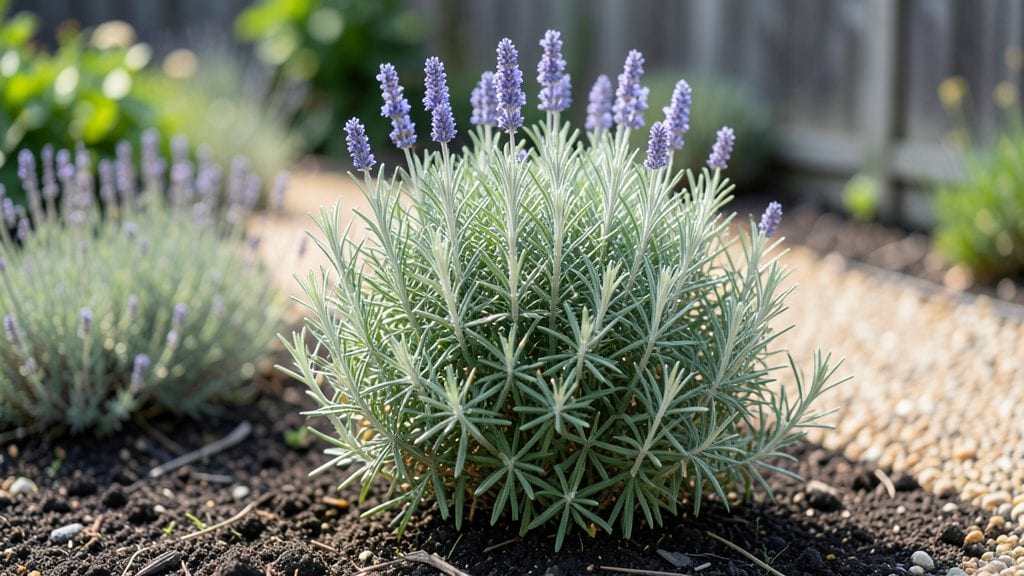
Here are some essential rosemary gardening tips to keep this fragrant shrub thriving year-round—it’s easier than you’d think, especially with the right soil and sunlight. 🌿 I’ve kept mine alive for years by treating it like the Mediterranean powerhouse it is: dry, sunny. and unapologetically low-maintenance.
The key is mimicking its natural habitat, and once you do, you'll have fragrant sprigs for cooking or decorating all year.
Most people overwater rosemary, turning its woody stems into sad, mushy messes. Instead, let the soil dry completely between waterings—it's drought-tolerant once established—and use well-draining soil mixed with sand or perlite.
A south-facing window or at least 6 hours of direct sun daily keeps it happy indoors or out, while pruning just after flowering encourages bushier growth. The secret weapon? Regular trimming to maintain shape and prevent legginess.
📚 In This Guide
- What you need
- Instructions
- Tips and common mistakes
- Wrapping up and next steps
What you need
- ● Rosemary plants: 1-3 healthy nursery-grown rosemary plants (choose Rosmarinus officinalis for best results).
- ● Potting soil or garden soil: Well-draining, slightly alkaline soil (pH 6.0-7.0). Mix in perlite or sand (1 part perlite to 3 parts soil) for improved drainage.
- ● Containers (if growing in pots): At least 12-inch diameter pots with drainage holes (terracotta or ceramic works best).
- ● Organic fertilizer: A balanced 10-10-10 or 5-10-10 fertilizer (use sparingly—rosemary prefers lean soil).
- ● Mulch: Gravel or coarse sand (1-2 inches) to retain moisture and regulate temperature.
- ● Garden trowel or shovel (for planting and soil prep).
- ● Pruning shears (sharp, clean shears for trimming and harvesting).
- ● Watering can or hose with a gentle spray nozzle (rosemary hates soggy roots!).
- ○ Gloves (optional but helpful for handling prickly stems).
- ○ pH testing kit (optional but useful for monitoring soil acidity).
- ● 🌡️ Full sun is a must! Ensure your rosemary gets at least 6-8 hours of direct sunlight daily.
- ● ✨ Avoid overwatering: Let the soil dry out completely between waterings—rosemary is drought-tolerant once established.
- ● 🎯 Choose a warm spot: Rosemary thrives in USDA zones 7-10; in colder climates, grow it in containers for easy winter protection.
How to cultivate rosemary for abundant, year-round fragrance
This hardy perennial thrives with minimal fuss once you nail a few key conditions—let's unlock its full potential.
🌱 Step 1: Select the Perfect Planting Site
Rosemary demands full sun exposure—at least 6-8 hours daily—and well-draining soil to prevent root rot. I always choose the sunniest, driest corner of my garden for it, often near south-facing walls where heat radiates. Test your soil first: if it stays soggy for more than a day after rain, amend with 1 part sand or perlite per 3 parts native soil.
This herb hates competition. Space plants 3-4 feet apart to allow airflow and prevent fungal diseases. If growing in containers, ensure pots are at least 12 inches deep with drainage holes—rosemary's taproot needs room to establish. The moment you see yellowing leaves, you've either overwatered or planted in heavy clay.
💧 Step 2: Master Watering Without Drowning
Rosemary's drought-tolerant nature makes it deceptively easy to kill with kindness. Water deeply once weekly during establishment (first 2 months), then reduce to every 2-3 weeks once mature—unless your climate exceeds 90°F, when you'll need to water biweekly. The soil should feel bone-dry 2-3 inches down before watering again.
Here's the thing—rosemary despises wet feet. I always water at the base, avoiding foliage, and use a soaker hose to deliver moisture directly to roots. If you notice leaves curling or dropping, you're overwatering. A healthy rosemary plant will wilt slightly in dry conditions but spring back when watered—this resilience is its trademark.
☀️ Step 3: Prune for Bushiness and Longevity
Regular pruning keeps rosemary compact and encourages dense growth. I trim back one-third of the plant's height in early spring using clean, sharp shears, cutting just above leaf nodes. This stimulates new growth while maintaining the plant's natural shape. Avoid cutting into woody stems—focus only on soft, green growth.
Harvesting is pruning's cousin. Snip sprigs anytime you need them, but never take more than one-third of the plant at once. The best time to harvest is just before flowering when oils are most concentrated. After heavy pruning or harvest, fertilize lightly with ½-strength balanced fertilizer to support recovery—rosemary's needs are modest, but it appreciates a little boost after stress.
⏰ Step 4: Protect Through Seasonal Shifts
Rosemary handles heat beautifully but struggles in winter if temperatures drop below 15°F. In cold climates, I mound 3-4 inches of mulch around the base after the first frost to insulate roots. For container-grown plants, move them to a sheltered location or wrap pots in burlap. The key is protecting roots more than leaves—rosemary's foliage can tolerate light freezes.
In summer, watch for spider mites on the undersides of leaves if your air is dry. I spray plants weekly with water during heatwaves to deter pests naturally. If you see webbing or tiny dots moving, treat immediately with neem oil—rosemary's strong scent usually keeps pests at bay, but stress invites infestations. A healthy plant with proper spacing rarely has issues, but prevention is always easier than cure.
🌿 Step 5: Propagate for Free Plants
Rosemary spreads easily through stem cuttings. In late spring or early summer, snip 4-6 inch sections just below a leaf node. Remove lower leaves, leaving only a few at the top, then dip the cut end in rooting hormone. Plant in a pot with well-draining mix and keep it in bright, indirect light until roots form—usually 4-6 weeks.
Here's where most people fail: keep the cutting's soil consistently moist but never soggy. You'll know it's rooted when new growth appears at the top. Transplant outdoors after roots fill the pot, spacing as you would mature plants. This method lets you create new plants without spending a dime—just time and patience. I always keep a few cuttings on hand to replace any plants that decline over time.
Tips & tricks for perfect rosemary cultivation
These hard-won insights will help you transform rosemary from a finicky herb into a thriving, fragrant workhorse in your garden.
Sunlight Strategy: The 6-8 hours of daily sun in Step 1 are non-negotiable, but here's what I've learned: if your climate gets intense afternoon sun, consider partial afternoon shade in extreme heat zones. I've seen rosemary scorch when temperatures exceed 95°F for prolonged periods. Watch for leaves turning pale or crispy edges—they're begging for relief.
Soil Science Secret: That 1:3 sand/perlite mix in heavy clay soil works wonders, but here's the pro move: add a handful of coarse horticultural grit to the planting hole. This creates instant drainage channels that prevent root suffocation. I've revived multiple struggling rosemary plants by amending their soil this way—it's like giving them a second chance at the right home.
Watering Wisdom: The 2-3 inch bone-dry test in Step 2 is perfect, but I've found a visual cue that works even better: press your finger 2 inches down—if it feels like a dry sponge, it's time to water. Overwatering is the #1 killer, so I always check before watering, especially in humid climates where evaporation is slower. That weekly schedule during establishment? Stick to it religiously—skipping it even once can set your plant back months.
Pruning Precision: When you trim back one-third of the plant's height in Step 3, focus on creating an open center. This might seem counterintuitive, but it prevents that dense, woody center that's so common in neglected rosemary. I make diagonal cuts just above leaf nodes to encourage outward growth. And here's the bonus: those pruned stems make excellent cuttings for propagation—double duty!
Pro Tips for Rosemary Gardening Tips
- These hard-won insights will help you transform rosemary from a finicky herb into a thriving, fragrant workhorse in your garden.
- Sunlight Strategy: The 6-8 hours of daily sun in Step 1 are non-negotiable, but here's what I've learned: if your climate gets intense afternoon sun, consider partial afternoon shade in extreme heat zones.
- Soil Science Secret: That 1:3 sand/perlite mix in heavy clay soil works wonders, but here's the pro move: add a handful of coarse horticultural grit to the planting hole.
Frequently asked questions
Got questions about growing rosemary? You’re not alone—this fragrant herb can be tricky for beginners! Here are answers to the most common rosemary gardening questions to help you cultivate a thriving plant.
How often should I water rosemary?
Rosemary is drought-tolerant, so water it only when the top inch of soil feels dry—about once a week in hot weather or less in cooler months. Overwatering causes root rot, so drainage is key. Use a pot with holes or well-draining soil to prevent soggy roots. Pro tip: Let the soil dry between waterings, and reduce frequency in winter.
Can I grow rosemary indoors year-round?
Place your rosemary near a sunny window (south-facing is ideal) or under grow lights for 6–8 hours daily. Use a terracotta pot (it wicks moisture) and ensure good airflow to prevent mold. Prune regularly to encourage bushiness, and fertilize lightly in spring with a balanced, water-soluble fertilizer.
What pests or diseases should I watch for?
Rosemary is generally pest-resistant, but watch for aphids, spider mites, or whiteflies. Treat with neem oil or insecticidal soap if needed. Fungal issues like powdery mildew can occur in humid conditions—improve airflow and avoid overhead watering. Yellowing leaves often signal overwatering or nutrient deficiency (try a low-nitrogen fertilizer).
Can I propagate rosemary from cuttings?
Yes! Take 4–6 inch cuttings from healthy stems, remove lower leaves, and dip the ends in rooting hormone (optional). Place in moist potting mix or water until roots form (2–4 weeks). Keep in bright, indirect light and avoid overwatering. Once rooted, transplant to soil or a larger pot. Pro tip: Use a mix of perlite and peat for faster rooting!
How do I protect rosemary in winter?
Rosemary is hardy to USDA zones 7–10, but in colder climates, mulch the base with straw or move potted plants to a sheltered, unheated garage (50–60°F is ideal). Avoid wet soil, which can freeze roots. Indoor plants may need less water in winter—let the soil dry out more between waterings. Prune lightly in early spring to encourage new growth.
What can I substitute if I don’t have fresh rosemary?
In a pinch, use dried rosemary (use 1/3 the amount of fresh) or thyme, oregano, or marjoram for a similar earthy flavor. For a pine-like note, try basil or bay leaves. For meat rubs, mix rosemary with garlic powder, paprika, and salt. Store dried rosemary in an airtight container away from light for up to 6 months.
Wrapping up and next steps
Growing rosemary is a rewarding journey that brings fragrant beauty and culinary versatility to your garden—and you’ve got all the tools to succeed! 🌿 From choosing the right spot to mastering pruning and propagation, these tips ensure lush, year-round growth.
Whether you’re a beginner or a seasoned gardener, your rosemary plant is just a few steps away from thriving.
Ready to dive in? Start by gathering your supplies, picking a sunny patch, and planting today! Watch your rosemary flourish, and soon you’ll be harvesting fresh sprigs for cooking, crafts, or simply enjoying its intoxicating scent. Happy gardening! 🌱