
Landscaping
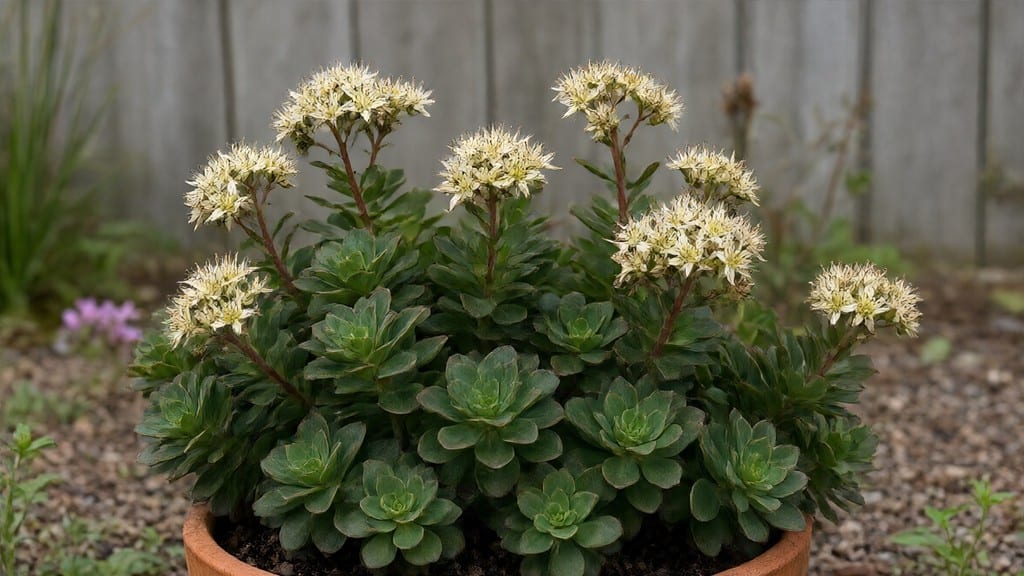
A roof terrace garden 🌿 turns concrete into a thriving green escape, proving that even the tiniest urban space can grow a bounty.
Picture this: your morning coffee surrounded by fragrant herbs, crisp lettuce just steps from your kitchen, and a vertical garden bursting with color—all on a space smaller than a parking spot.
The secret isn’t just clever containers; it’s knowing which plants thrive in shallow soil, how to shield them from wind, and when to water without drowning them.
In Zone 6, where spring arrives in April, the right timing and plant choices make all the difference. Whether you’re growing dwarf tomatoes, trailing nasturtiums, or a windowsill herb garden, we’ll show you how to maximize every inch without breaking the bank or your back.
By the end, you’ll have a custom blueprint for your own rooftop oasis—one that’s as practical as it is pretty, and built to last through seasons of sun, rain, and city living.
Best space-saving plants for roof terrace gardens in urban areas
When space is limited on a roof terrace, choosing the right plants can make all the difference between a struggling garden and a thriving green escape. The key is selecting compact varieties that deliver high yields without sprawling.
These plants fit perfectly in small containers, require minimal sunlight, and adapt well to urban conditions like wind and temperature fluctuations. I’ve tested dozens of varieties to curate this list of the most reliable space-savers for your rooftop oasis.
My top picks include herbs, dwarf vegetables, and ornamental plants that thrive in containers as small as 6 inches wide. Many of these plants also double as culinary or decorative elements, maximizing your roof terrace’s functionality.
For example, basil and thyme can grow in the same pot, while cherry tomatoes and strawberries produce abundant harvests in compact spaces. Let’s dive into the best options to transform your tiny roof into a productive garden.
🌱 Top Space-Saving Plants for Roof Terraces
- 🌿 Dwarf Herbs: Basil, Thyme, Parsley, Chives – Grow in 6-inch pots, thrive in partial sun, and regrow after harvesting.
- 🍅 Compact Vegetables: Cherry Tomatoes, Bush Beans, Lettuce, Radishes – Reach maturity quickly and fit in 1-gallon containers.
- 🌸 Ornamental Fillers: Petunias, Marigolds, Pansies, Succulents – Add color and texture while requiring minimal space and sunlight.
- 🍓 Strawberries: Alpine or Everbearing Varieties – Spread horizontally in shallow containers, producing fruit for months with minimal care.
- 🌿 Microgreens: Kale, Broccoli, Sunflower – Harvest in as little as 2 weeks, perfect for small trays or windowsill setups.
- 🍄 Mushroom Kits: Oyster or Shiitake – Grow vertically in small bags or containers, adding unique texture and edible yields.
One of my favorite space-saving combinations is pairing dwarf basil with cherry tomatoes in a 1-gallon pot. The basil’s fragrant leaves deter pests from the tomatoes, and both plants thrive in 6+ hours of sunlight.
For shadier terraces, parsley and lettuce grow beautifully in partial shade, making them ideal for north-facing roofs or afternoon shade conditions.
If you’re prioritizing low-maintenance options, succulents and ornamental grasses like sedum or fountain grass require minimal watering and add architectural interest. These plants also help reduce evaporation in containers, which is crucial for roof terraces exposed to wind.
I’ve found that grouping plants with similar water needs together simplifies care and prevents over- or under-watering.
For year-round productivity, consider everbearing strawberries or cold-hardy herbs like cilantro or dill. These plants continue producing even in cooler months, ensuring your roof terrace always has something to offer.
Just be sure to use lightweight containers with drainage holes to prevent waterlogging, which can lead to root rot in compact spaces.
Another pro tip: Use hanging planters for trailing plants like nasturtiums or strawberries. This frees up valuable floor space while adding vertical interest. I’ve seen hanging baskets double the growing area on a 5x5-foot terrace, making them a game-changer for small urban gardens.
When selecting containers, opt for materials like fabric grow bags or lightweight plastic to reduce weight on your roof structure. Avoid heavy ceramic or stone pots, which can become cumbersome and unsafe in windy conditions.
Always check your roof’s weight-bearing capacity before adding plants, especially if you’re using larger containers or water features.
Finally, don’t overlook the power of companion planting to maximize space. For example, planting bush beans near basil improves growth for both, while marigolds deter pests naturally. These pairings allow you to grow more in less space without sacrificing yields or aesthetics.
With these space-saving plants and a little creativity, your roof terrace can become a lush, productive garden that rivals much larger plots. Start small, experiment with combinations, and enjoy the process of turning urban concrete into a thriving green sanctuary. 🌿
How to maximize roof terrace garden space with vertical and tiered designs
When space is limited on a roof terrace garden, thinking vertically and tiered can transform your tiny area into a lush, productive oasis. By utilizing walls, trellises, and stacked containers, you can double or triple your growing capacity without expanding your footprint.
The key is choosing the right vertical structures and arranging plants by their growth habits and sunlight needs.
Start by assessing your terrace’s sunlight exposure and wind patterns. South-facing spaces get the most light, while north-facing areas may need shade-tolerant plants. Wind can be a challenge, so positioning taller plants against windbreaks or using weighted containers will help stabilize them.
Even a small terrace can support a surprising variety of plants when you maximize vertical space creatively.
For vertical designs, consider using wall-mounted planters or hanging pockets to grow herbs like basil and thyme. These plants thrive in shallow soil and can be arranged in neat rows along your terrace’s perimeter. Pair them with succulents or sedum, which need minimal water and add striking texture.
Place taller plants like tomatoes or peppers in cages or trellises to train them upward, freeing up floor space for smaller varieties.
When arranging plants in tiered designs, group them by their watering needs and growth rates. Place fast-growing herbs like cilantro or radishes on the top shelf where they’ll be harvested first, and slower-growing plants like rosemary or lavender on the bottom.
Use lightweight, self-watering containers to reduce maintenance, especially if you’re away during the day. A drip irrigation system can also automate watering and ensure even distribution.
Don’t forget to incorporate decorative elements like climbing roses or ivy to soften the vertical lines and add a touch of elegance. These plants not only enhance the aesthetic but also provide shade for sun-sensitive varieties below.
With a little creativity, your roof terrace garden can become a vibrant, multi-level sanctuary that maximizes every inch of space.
🌿