
Landscaping
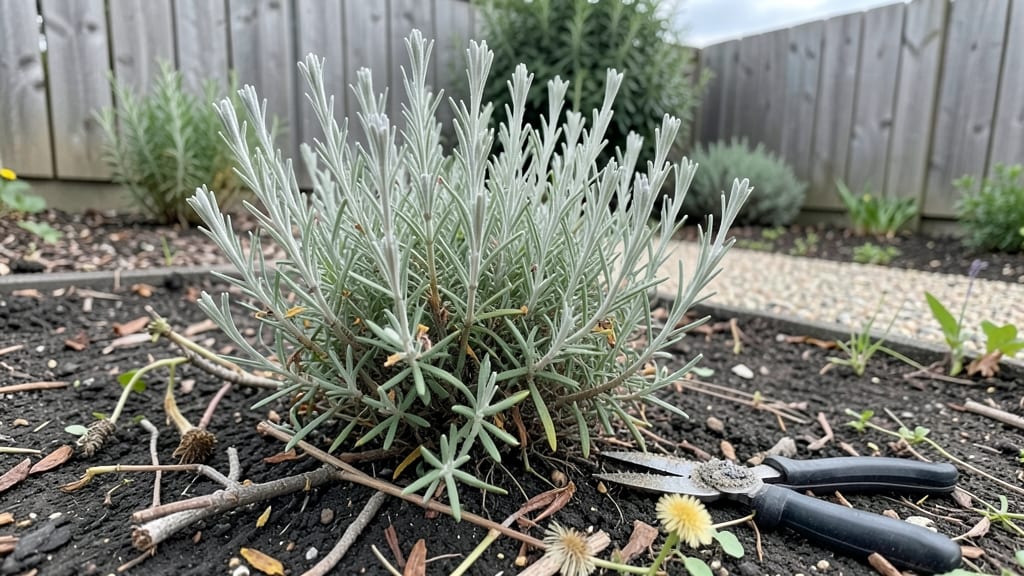
A prayer garden plan brings quiet reflection to your backyard with intentional blooms and winding paths. 🌿 I designed mine after realizing how much my morning coffee routine needed a sacred pause—now it’s the first place I go when my mind feels cluttered.
The key is balancing beauty with meaning, so every plant and stone serves a purpose beyond decoration.
Start with a focal point like a small fountain or a simple wooden bench surrounded by calming lavender and white roses. Add symbolic elements: sunflowers for joy, marigolds for protection, or hostas for patience.
A gravel pathway keeps maintenance simple while inviting slow, mindful walks. For low-upkeep, choose drought-tolerant plants like Russian sage or ornamental grasses that thrive with minimal water.
You’ll end up with a space that feels like a retreat—not just a garden. The scent of blooms, the rustle of leaves, and the quiet hum of bees create a natural soundtrack for reflection.
Even in winter, evergreens and bare branches hold their own kind of peace. This isn’t about perfection; it’s about intention.
Adapt it to your climate: swap heat-loving plants for cold-hardy ones in northern regions, or add shade-loving ferns if your garden bakes in summer. The core idea stays the same—a place to pause, breathe, and reconnect. Here’s how to make it yours.
📚 In This Guide
- What you need
- Instructions
- Tips and common mistakes
- Wrapping up and next steps
What you need
- ● Soil & Mulch: Topsoil (2–3 cubic yards, depending on garden size)
- ● Compost or organic matter (1–2 bags) for nutrient-rich soil
- ● Mulch (2–3 bags) to retain moisture and suppress weeds
- ● Plants & Flowers: Sacred or symbolic plants (e.g., lavender, roses, sunflowers, or native wildflowers—3–5 per variety)
- ● Herbs like rosemary, thyme, or mint (1–2 plants for fragrance and healing)
- ● Small trees or shrubs (e.g., olive, fig, or fruit trees—1–2) for long-term growth
- ● Pathway Materials: Gravel, stepping stones, or pavers (quantity based on path length)
- ● Landscape fabric (1 roll) to prevent weed growth under pathways
- ● Structural Elements: Wooden bench or meditation seat (1)
- ○ Wind chimes, birdbath, or small fountain (optional but serene)
- ● Sacred symbols (e.g., stone markers, crosses, or prayer flags—customize to your faith)
- ● Garden shovel and trowel (1 each)
- ● Wheelbarrow (1) for hauling soil/mulch
- ● Pruners (1 pair) for trimming plants
- ● Rake (1) for leveling soil
- ● Measuring tape (1) and stakes (5–10) for layout
- ● Hose or watering can (1) for post-planting care
- ● Gloves (1 pair) to protect your hands
- ○ Optional: String line for marking paths, kneeling pad, or a small wheelbarrow for heavy materials
- ● A designated space (sunlight exposure: 6+ hours/day for most plants)
- ● Access to water (hose or irrigation system)
- ● Permission to modify the area (if on shared property)
- ● Pro Tip: 💡 Sketch a rough layout beforehand to visualize flow and symbolism!
Step-by-Step instructions for designing your prayer garden
Here's how to create a serene space that nurtures both spirit and soul—one intentional layer at a time.
🌱 Step 1: Choose a Quiet, Sunlit Location
Select a spot that feels naturally peaceful—preferably near a window or under mature trees for gentle shade. A 6x6-foot area works well for a small retreat, but expand if space allows. I always check the site at different times of day to observe how sunlight shifts; morning light feels calming, while afternoon sun can feel too intense for meditation.
Mark the space with stakes and string to visualize the layout. If your garden faces north, position the seating area on the east side to capture soft morning light. Avoid low-lying spots where water pools after rain—damp soil can invite weeds and pests that disrupt your sanctuary.
🪴 Step 2: Layer Soil and Plants for Symbolic Meaning
Amend the soil with 2 inches of compost to enrich it naturally—prayer gardens thrive in nutrient-rich earth without harsh chemicals. I divide the space into three zones: a central path, a seating area, and planting beds. The path should be 2 feet wide to accommodate easy walking, while planting beds can be 3 feet deep for easy maintenance.
Plant roses, lavender, and sunflowers along the edges—they symbolize love, purity, and devotion. Roses bloom repeatedly, sunflowers follow the sun (a reminder of faith), and lavender calms the mind. Space plants 18-24 inches apart to allow airflow and prevent overcrowding, which can stress roots.
☀️ Step 3: Create a Meditation-Friendly Pathway
Use gravel or stepping stones for a path that guides visitors through the garden without disturbing plant roots. I like a winding design—it encourages slower movement and deeper reflection. For a 6-foot path, lay down 3 inches of compacted gravel or arrange stones every 2 feet to define the route.
Add low-growing ground cover like creeping thyme or clover between stones to soften the look and attract pollinators. Avoid tall grasses that could obstruct views or create tripping hazards. Test the path by walking through it—you should feel a sense of flow, not obstruction.
✂️ Step 4: Add Seating and Decorative Elements
Place a small bench or cushioned seat in the center of the garden, facing east if possible. Wooden benches blend naturally and age beautifully, while cushions in muted tones keep the space serene. I often include a small table for tea or a journal—just ensure it’s sturdy enough to hold items without tipping.
Incorporate wind chimes or a small fountain for soothing sounds. A stone or wooden cross (if desired) can serve as a focal point, but keep it simple—this garden is about peace, not clutter. Arrange elements so they frame the view of the plants, creating a natural border that feels intentional.
💧 Step 5: Maintain with Mindful Care
Water deeply once a week (or daily in extreme heat) to encourage strong roots. I check soil moisture by pressing my finger 1 inch deep—if it feels dry, it’s time to water. Mulch with 2 inches of wood chips to retain moisture and suppress weeds, which can feel like distractions in a sacred space.
Prune plants regularly to keep them healthy and blooming. Deadhead roses weekly to encourage more flowers, and trim lavender after blooming to maintain its shape. A well-kept garden reflects the care you put into your spiritual practice—so spend a few minutes each week tending to it with intention.
Tips & tricks for creating a peaceful prayer garden
Transforming your outdoor space into a sacred retreat requires thoughtful planning—here's how to elevate every detail for maximum tranquility.
Location Wisdom: In Step 1, when selecting your spot, consider the sun's arc throughout the day. Morning light creates a gentle, inviting atmosphere, while afternoon sun can feel too intense for meditation. If possible, position your seating area to face east, where you can greet the sunrise—a natural reminder of new beginnings. I've found that gardens near windows also work beautifully, as they invite natural light indoors during prayer times.
Soil Preparation Secret: The 2 inches of compost in Step 2 is non-negotiable for healthy plants and easy maintenance. Mix it thoroughly into the top 6 inches of soil to create a nutrient-rich environment. For even better results, add a handful of worm castings—they improve soil structure and help retain moisture. This preparation prevents weeds from competing with your symbolic plants, creating a cleaner, more intentional space.
Pathway Design Insight: When creating your meditation-friendly pathway in Step 3, think about the flow of movement. A winding path encourages slower, more intentional steps—perfect for reflection. For the 3 inches of compacted gravel, use a tamper to create a firm base before laying stones. This prevents shifting over time, which can create tripping hazards. I've also found that adding a slight curve at the entrance creates a natural transition from the outside world to your sacred space.
Maintenance Mindset: The once-weekly watering in Step 5 works beautifully, but pay attention to seasonal changes. In extreme heat, you might need to water daily, while winter may require less frequent watering. I've learned to check soil moisture by pressing my finger 1 inch deep—this simple test prevents overwatering, which can lead to root rot. Mulching with 2 inches of wood chips also helps maintain consistent moisture levels while suppressing weeds that could disrupt your peaceful environment.
Pro Tips for Prayer Garden Plans
- Transforming your outdoor space into a sacred retreat requires thoughtful planning—here's how to elevate every detail for maximum tranquility.
- Location Wisdom: In Step 1, when selecting your spot, consider the sun's arc throughout the day.
- Soil Preparation Secret: The 2 inches of compost in Step 2 is non-negotiable for healthy plants and easy maintenance.
Frequently asked questions
Got questions about creating your own prayer garden? Here are some of the most common ones—and their answers—to help you get started on your tranquil retreat!
What’s the best time of year to plant a prayer garden?
The ideal time depends on your climate! In mild-winter zones, plant in early spring or late fall to avoid extreme heat or cold. For cold climates, wait until after the last frost (usually late spring). If you’re in a tropical or warm region, plant in the rainy season for better root establishment. Plan ahead—some symbolic plants (like lavender or rosemary) thrive with early planting!
Do I need a religious affiliation to create a prayer garden?
Not at all! Prayer gardens are designed for spiritual reflection, peace, and connection with nature, regardless of faith. Many people use them for meditation, mindfulness, or simply to honor personal beliefs. The key is to include elements that resonate with your values—whether that’s a cross, a Buddha statue, or a simple bench for quiet thought.
How much space do I need for a prayer garden?
A prayer garden can be as small as a 4x4-foot raised bed or as large as your backyard! For a cozy retreat, aim for at least 6x6 feet to include seating, pathways, and symbolic plants. If space is tight, consider a vertical garden or container plantings. Even a window box with herbs and flowers can serve as a mini sanctuary.
What if I don’t have green thumbs? Are there low-maintenance options?
Opt for drought-tolerant plants like succulents, lavender, or ornamental grasses that require minimal watering. Use mulch to retain moisture and reduce weeds. Add automatic drip irrigation for hassle-free care. Even a gravel pathway with native wildflowers can create a serene, low-effort space.
Can I incorporate non-floral elements like statues or wind chimes?
Yes! Many prayer gardens blend natural and spiritual elements for harmony. Statues (religious or nature-themed), wind chimes, or even a small fountain can enhance the atmosphere. Just ensure they align with your garden’s purpose—for example, a water feature symbolizes purity, while a stone path invites mindfulness. Keep it balanced to avoid clutter!
Still unsure? Start small, experiment with a few plants, and let your garden grow with you—literally and spiritually!
Wrapping up and next steps
Creating a prayer garden is more than just landscaping—it’s an act of love, intention, and sacred connection to nature. Whether you’re designing a serene corner for quiet reflection or a vibrant space for community gatherings, these plans empower you to craft a retreat that nourishes the soul. 🌿✨
Now that you’re inspired and equipped with ideas, take the next step: sketch your vision, gather your materials, and start small. Even a single symbolic bloom or a peaceful stone pathway can transform your space into a place of peace. Your prayer garden awaits—what will you plant there?