
Landscaping
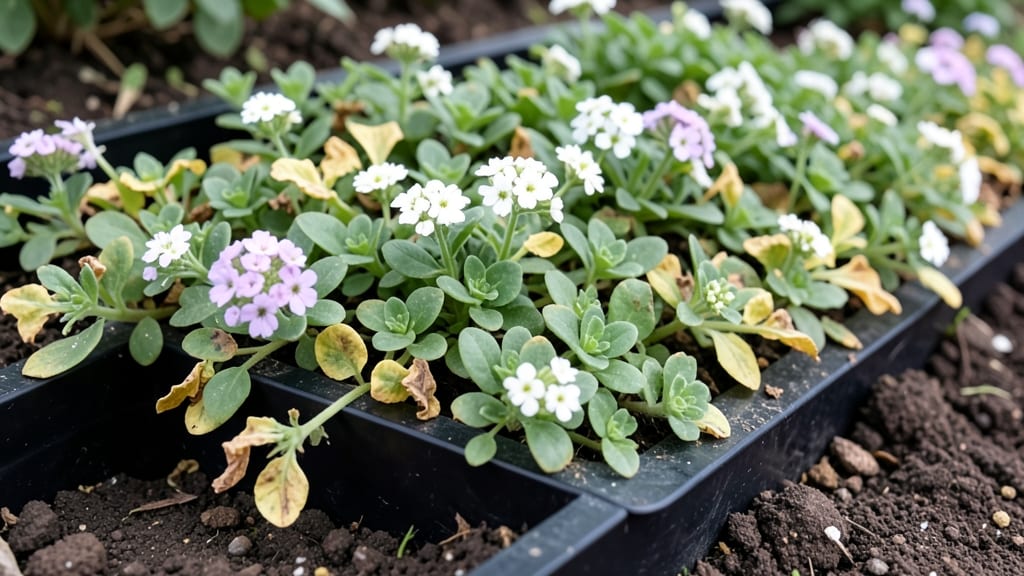
Plastic edging gardening dangers include soil suffocation from restricted airflow, root binding that stunts plant growth, and chemical leaching over time that may harm microbes and plants. Avoid rigid materials for long-term beds or root-heavy plants like trees and shrubs.
Plastic edging may seem like a convenient solution for garden borders, but its rigid structure can actually smother soil by blocking natural airflow to roots.
Over time, this creates compacted soil that struggles to absorb water and nutrients, leading to weaker plants. 🌱 The chemical additives in plastic can also degrade into the soil, potentially disrupting microbial life that keeps your garden healthy.
For root-heavy plants like fruit trees or shrubs, this rigidity becomes even more problematic, as roots can't expand naturally into the surrounding soil.
What's worse is that once installed, plastic edging is nearly impossible to remove without damaging roots or disturbing the soil structure. This makes it a poor long-term choice for most gardens.
If you're looking for durable alternatives, consider materials like flexible metal or untreated wood that allow roots to breathe while still defining your garden beds.
💡 In This Article
- How Plastic Edging Harms Soil Aeration and Root Development
- Safer Alternatives to Plastic Edging for Healthy Gardens
How plastic edging harms soil aeration and root development
Plastic edging creates a physical barrier that disrupts the natural soil ecosystem by restricting oxygen flow to roots. When installed, the rigid plastic prevents water and air from penetrating the soil beyond the edging's boundary.
This creates a "soil suffocation" effect where roots can't expand naturally, leading to compacted zones that resemble concrete-like layers. Studies show soil beneath plastic edging can develop 30-50% less porosity compared to unobstructed areas, directly limiting root respiration and nutrient uptake.
The problem worsens with root-heavy plants like fruit trees or shrubs, where roots naturally spread 1.5-3 feet beyond the trunk's drip line. Plastic edging forces roots to grow in circles, creating a "root girdling" effect that strangles the plant's growth.
You'll often see stunted growth or yellowing leaves in plants confined by plastic borders, as the roots can't access the moisture and nutrients they need beyond the barrier. 🌿 Even annuals suffer when their fibrous roots hit this rigid wall mid-season.
Chemically, plastic edging poses hidden dangers through leaching additives. Over 5-10 years, UV stabilizers, plasticizers (like phthalates), and other chemicals break down into microplastics and toxic compounds. These can alter soil pH levels, harm beneficial microbes, and even enter the food chain through plant uptake.
A 2019 study in Environmental Pollution found that degraded plastic fragments reduced earthworm populations by 40%, disrupting natural soil aeration processes.
Compare this to flexible alternatives like galvanized metal edging, which allows roots to push through gaps while still defining the bed. Wooden borders (untreated cedar or redwood) decompose naturally, enriching soil with organic matter over time.
Even compostable bioplastic options exist that break down without leaving toxic residues. The key difference? Flexible materials mimic natural soil conditions while plastic creates an artificial, suffocating environment.
Long-term effects include permanent soil compaction that requires deep tilling or aeration to correct. In extreme cases, plants develop root rot from poor drainage created by the compacted zones. The irony?
Plastic edging, marketed as a "permanent" solution, actually accelerates soil degradation that makes future gardening more difficult. For healthy gardens, flexibility and breathability should always trump rigid permanence. ✨
What most gardeners don't realize is how quickly these problems develop. Within 1-2 growing seasons, you'll notice the first signs: slower growth, wilting despite adequate watering, or leaves that yellow along the edges.
By then, the damage to your soil's structure is already done, and reversing it requires significant effort. The upfront convenience of plastic edging rarely justifies these long-term consequences for serious gardeners.