
Shrubs
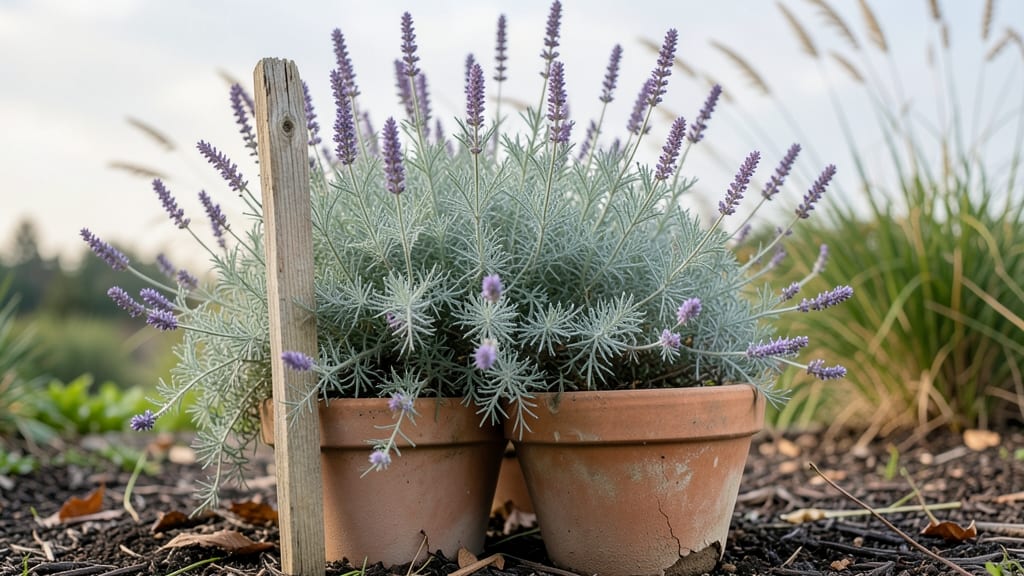
Piet Oudolf’s small gardens prove that beauty thrives in tight spaces—no sprawling borders needed. 🌿 His secret? Layering plants by height, texture, and bloom time to create depth where square footage is scarce.
I’ve studied his designs for years, and the magic lies in how he turns even the smallest patches into lush, ever-changing canvases.
The key is starting with a 3-tiered structure: tall grasses or shrubs at the back, mid-height perennials in the middle, and low-spreading ground covers up front. Oudolf often pairs silver-leafed grasses with deep purple coneflowers and soft fuzzy lamb’s ear—combinations that look intentional but feel effortless.
You don’t need rare plants; his favorite small-garden staples include catmint, Russian sage, and ornamental grasses that handle neglect like champions.
What you’ll end up with is a garden that changes monthly—spring’s delicate blooms give way to summer’s bold foliage, then fall’s fiery hues, all while winter’s structural plants hold the space.
The best part? Once established, these plantings require almost no maintenance beyond an annual trim. Think of it as a living tapestry that grows itself.
This approach works for balconies, courtyard gardens, or even narrow side yards. The only rule? Commit to three seasons of interest—skip the summer-flowering annuals, and you’ll have a garden that’s always doing something remarkable. Let’s break down how to steal his moves for your space.
📚 In This Guide
- What you need
- Instructions
- Tips and common mistakes
- Wrapping up and next steps
What you need
- ● Plants (perennial focus!): 1–3 Grasses (e.g., Miscanthus, Pennisetum, or Calamagrostis)
- ● 3–5 Shrubs (e.g., Weigela, Spiraea, or Viburnum)
- ● 5–7 Perennials (e.g., Echinacea, Rudbeckia, Salvia)
- ● 1–2 Bulbs (e.g., Allium or Daffodils for early color)
- ● Soil Amendments: 3–5 lbs Compost (for nutrient-rich soil)
- ● 1–2 bags Gritty sand (for drainage, if needed)
- ● Tools: 1 Garden trowel (for precision planting)
- ● 1 Pruners (bypass for clean cuts)
- ● 1 Garden hose or watering can (with a fine rose nozzle)
- ● 1 Garden gloves (to protect your hands)
- ● Mulch (2–3 inches of wood chips or gravel to suppress weeds)
- ● Small stone or wood edging (to define borders)
- ● Decorative garden stakes (for support or visual interest)
- ● Slow-release fertilizer (for perennials, if soil is poor)
Designing piet Oudolf-inspired small gardens: layered textures in tight spaces
Here’s how to create Oudolf’s signature drama in a small garden—where every plant matters.
🌿 Step 1: Define Your Vertical and Horizontal Layers
Oudolf’s genius lies in layering, even in tight spaces. Start with a tall backbone—think ornamental grasses like Miscanthus or Calamagrostis—to anchor the design. Place these at the back or along fences/walls. In a 4-foot-square space, one 3-foot-tall specimen creates instant height without overwhelming the area.
Next, add mid-height perennials (2–3 feet) like Echinacea or Rudbeckia behind shorter plants. These fill the middle layer while letting light reach the base. Finally, ground covers—like Ajuga or Sedum—weave between taller stems, creating a lush carpet. This structure mimics Oudolf’s wild yet intentional aesthetic.
🌱 Step 2: Select Plants for Seasonal Texture, Not Just Color
Oudolf prioritizes texture over bloom time. Choose plants with varied foliage: fuzzy lamb’s ear (Stachys byzantina), slender sedum (Sedum telephium), and arching Carex grasses. Group plants in odd-numbered clusters (3, 5, or 7) to create natural rhythm. Avoid single specimens—they look lost in small gardens.
For color, let foliage lead. A deep purple Heuchera beside a silver Artemisia creates contrast without needing flowers. Add one late-blooming perennial (like Aster) for seasonal interest. The goal? A garden that feels dynamic year-round, not just in summer.
☀️ Step 3: Mimic Oudolf’s Light and Soil Strategy
Oudolf’s plants thrive in well-drained soil—even in small spaces. Amend native soil with compost and coarse sand (if clay-heavy) to improve drainage. In containers, use a 50/50 mix of potting soil and perlite for airy roots. Most of his favorites—grasses, sedums, and echinaceas—tolerate full sun to part shade, so position them where they’ll get at least 4–6 hours of light daily.
Water deeply but infrequently. Let the top 2 inches of soil dry between waterings—this encourages deep roots, just like in Oudolf’s meadow-inspired designs. Mulch with 2–3 inches of shredded bark to retain moisture and suppress weeds without smothering plants.
✂️ Step 4: Prune for Movement, Not Perfection
Oudolf’s gardens look wild but are meticulously maintained. Cut back grasses and perennials in late winter or early spring (before new growth) to reveal their structure. Leave seed heads on a few plants—like Echinacea or Rudbeckia—for winter interest. For tidy edges, use hand shears to shape perennials, but avoid over-pruning. Let foliage flop and sway naturally; that’s where texture comes alive.
Deadhead spent blooms only if they detract from the design. In Oudolf’s world, brown stems and dried flowers are part of the story. If a plant flops or spreads too much, divide it every 2–3 years in early spring to keep it vigorous.
🪴 Step 5: Add Hardscape for Balance
Even small gardens need structure. Use natural materials—like stacked stones, driftwood, or a single concrete slab—to ground the planting. A low wooden border (12–18 inches tall) defines edges without boxing in the space. In containers, terracotta pots in varying sizes add visual weight. The key? Keep hardscape minimal and organic—Oudolf’s designs feel like they’ve always been there.
Place a small bench or stepping stone along a path to invite lingering. The goal is a garden that feels intimate yet expansive, where every element—plant or object—has purpose. Step back often; Oudolf’s magic happens when the whole feels greater than the sum of its parts.
Tips & tricks for piet Oudolf-inspired small gardens
These insider insights will help you translate Oudolf's signature style into your tightest spaces without sacrificing drama.
Texture Over Color: In Step 2, when selecting plants, focus on foliage textures that contrast rather than just colors. Pair the fuzzy lamb's ear (Stachys byzantina) with the slender sedum (Sedum telephium)—the difference in leaf surfaces creates visual interest that lasts all season. I've found that grouping plants in odd-numbered clusters (3, 5, or 7) creates natural rhythm, just like Oudolf's meadows but scaled for small spaces.
Soil Strategy for Small Spaces: The 50/50 mix of potting soil and perlite in containers (Step 3) is non-negotiable for airy roots. For in-ground planting, create pockets of improved soil around each plant rather than amending the entire area. This targeted approach saves time and materials while still giving your plants the well-drained environment they need. Think of it as creating micro-meadows within your garden.
Pruning Philosophy: When you're cutting back grasses and perennials in late winter (Step 4), resist the urge to cut everything down to the ground. Leave some seed heads standing—they provide winter interest and become part of the garden's story. I've seen Oudolf's designs where dried flowers from the previous season still stand proudly through winter, adding unexpected texture and continuity.
Hardscape Integration: For Step 5, consider using unexpected materials like salvaged wood or irregularly shaped stones to create natural-looking borders. These elements should feel like they've always been part of the landscape rather than added later. A single concrete slab can serve as both a seating area and a visual anchor—just position it where it will complement the plant layers rather than compete with them.
Pro Tips for Piet Oudolf Small Gardens
- These insider insights will help you translate Oudolf's signature style into your tightest spaces without sacrificing drama.
- Texture Over Color: In Step 2, when selecting plants, focus on foliage textures that contrast rather than just colors.
- Soil Strategy for Small Spaces: The 50/50 mix of potting soil and perlite in containers (Step 3) is non-negotiable for airy roots.
Frequently asked questions
Got questions about creating a Piet Oudolf-inspired small garden? You’re not alone!
Here are some of the most common queries—and straightforward answers—to help you get started with confidence.
What are the key plants Piet Oudolf recommends for small spaces?
Oudolf favors textured, layered plants that thrive in tight spaces. Look for grasses like Miscanthus or Carex, perennials like Echinacea or Salvia, and shrubs like Hydrangea or Weigela. These add movement and structure without overwhelming your garden.
How long does it take for a Piet Oudolf-style garden to mature?
Patience is key! Most perennials and grasses take 2–3 years to fully establish and bloom. However, you’ll see immediate impact from foliage texture and seasonal interest. Plan for staggered planting to ensure year-round appeal.
Do Piet Oudolf gardens require a lot of watering?
Once established, these gardens are remarkably low-maintenance. Focus on deep watering (1–2 times per week) during the first year to encourage root growth. After that, most plants thrive with natural rainfall. Mulch helps retain moisture and reduce weeds!
Can I mix Piet Oudolf’s style with other garden trends?
Oudolf’s approach works beautifully with cottage gardens, modern minimalism, or even edible landscapes. Try pairing his bold textures with container gardening, vertical planters, or pollinator-friendly blooms for a fresh twist.
What’s the biggest mistake to avoid in a small Piet Oudolf garden?
Overcrowding! Oudolf’s magic lies in negative space—let plants breathe. Avoid planting too densely, and prune strategically to maintain airflow. Less is more! Also, skip annuals; perennials deliver long-term structure and color.
Wrapping up and next steps
Piet Oudolf’s approach to small gardens proves that big beauty thrives in small spaces—with the right plants, textures, and a little intentional design. Whether you’re working with a tiny balcony or a cozy courtyard, his layered, low-maintenance style transforms even the humblest garden into a lush, sensory-rich retreat. 🌿
Ready to dive in? Start small—pick one Oudolf-inspired plant or texture (like ornamental grasses or silver foliage) and experiment with height, color, and contrast. Your tiny garden will thank you!