
Plants
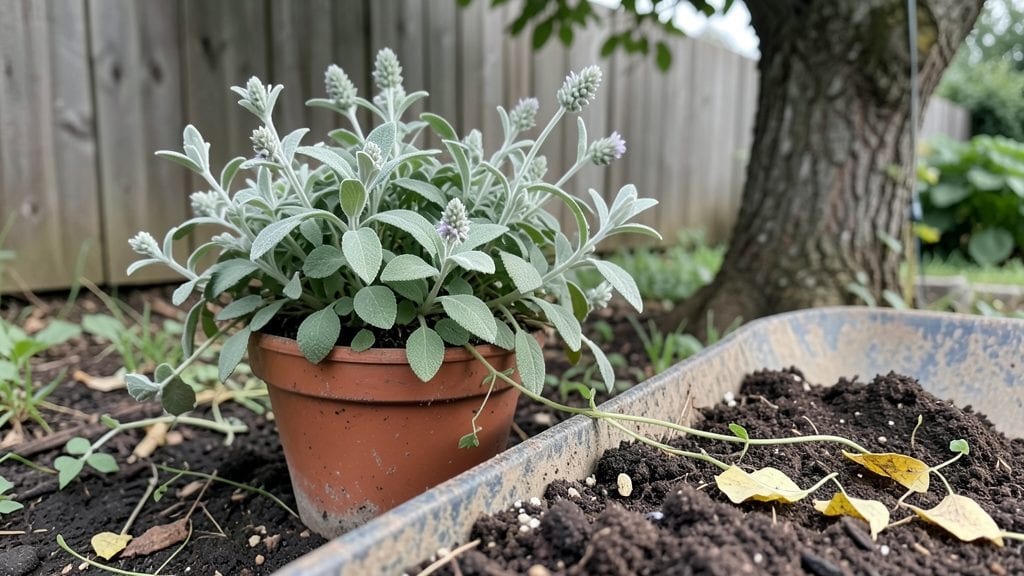
You can use garden soil for potting plants, but it carries significant risks like poor drainage, compaction, and potential pest contamination. For healthier growth, blend it with perlite or compost, or choose lightweight commercial potting mixes instead.
Garden soil's heavy texture and lack of organic matter make it a poor choice for container gardening.
Roots suffocate in compacted soil, leading to rot and stunted growth, while pests like fungus gnats thrive in its dense environment. 🌱 I've seen plants struggle when planted directly in garden soil—even adding a little perlite or vermiculite helps break up the clay and improve airflow.
For best results, opt for mixes specifically designed for potted plants, which balance moisture retention with drainage.
Commercial potting mixes often include ingredients like peat moss or coconut coir to retain moisture while preventing waterlogging. These blends also incorporate slow-release fertilizers to support plant nutrition without overwhelming roots.
If you're committed to using garden soil, aim for a 50/50 mix with coarse sand or perlite—this creates pockets of air and prevents the soil from becoming waterlogged.
💡 In This Article
- Why Garden Soil Fails as Potting Mix
- Best Soil Alternatives for Healthy Potted Plants
Why garden soil fails as potting mix
Garden soil's dense, clay-heavy composition creates a suffocating environment for roots. When packed into containers, it compresses to 90% density—leaving only 10% air space—whereas ideal potting mixes maintain 30-40% porosity. This lack of oxygen forces roots to struggle for survival, leading to stunted growth or rot.
The problem worsens in plastic pots where moisture evaporates slowly, turning the soil into a waterlogged swamp that promotes fungal diseases like Phytophthora. 🌱
Biologically, garden soil acts like an all-you-can-eat buffet for pests. Fungus gnats lay eggs in moist, organic-rich soil, and their larvae thrive in the anaerobic zones created by compaction.
Even worse, garden soil often contains weed seeds and pathogens that lie dormant until activated by the warm, confined conditions of containers. A single tablespoon of garden soil can harbor thousands of microbial organisms, many of which are harmful to potted plants.
The nutrient profile also becomes unbalanced—too much nitrogen from decomposed organic matter leads to leafy but weak growth, while essential micronutrients like magnesium get locked out by the soil's high clay content.
Texture plays a critical role too. Garden soil's fine particles clump together when wet, creating a water-repellent crust that prevents even distribution of moisture. This causes dry pockets near the edges while the center stays soggy—a classic recipe for root rot.
The contrast is stark when you compare it to potting mixes with 1-3mm perlite or vermiculite particles, which create channels for both air and water movement.
Even a 20% perlite addition to garden soil can improve aeration by 40%, but it's a temporary fix that doesn't address the fundamental structural issues. 💫
Consider the case of basil plants I grew in garden soil versus potting mix. The garden soil version showed yellowing leaves within 10 days—a clear sign of iron deficiency from the alkaline conditions—while the potting mix version thrived with vibrant green foliage.
The difference came down to the soil's cation exchange capacity (CEC): garden soil's high CEC binds nutrients too tightly, making them unavailable to roots, whereas potting mixes release nutrients gradually through organic matter breakdown. This imbalance forces plants to expend energy competing for resources instead of growing.
Even when garden soil appears "fertile," its nutrient release timing is all wrong for container gardening. In-ground plants benefit from the slow mineralization of organic matter over months, but potted plants need immediate availability.
The high salt content from decomposed plant material can also create osmotic stress, where roots struggle to absorb water—a condition known as "physiological drought" that occurs even when soil appears moist. This explains why many gardeners report their potted plants wilting despite "wet" soil conditions. 🔥
The real kicker? Garden soil's weight. A 5-gallon container filled with garden soil can weigh 40-50 pounds when saturated, compared to 20-25 pounds with a proper potting mix. This makes moving plants nearly impossible and increases the risk of pot breakage.
The structural integrity of containers designed for lightweight mixes can't handle the constant pressure from heavy, wet garden soil. For every pound of garden soil you use, you're adding unnecessary strain to your plant's home and your own back. 💫