
Pests
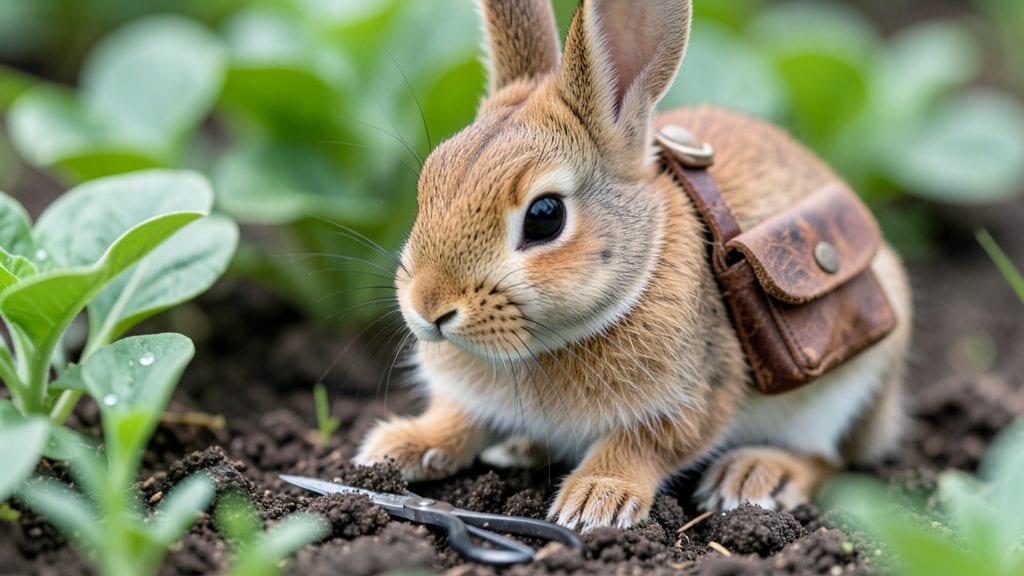
Peter Rabbit gardening means choosing plants rabbits dislike—like marigolds, garlic chives, and rosemary—because their strong scents, fuzzy textures, or thorns make them unappealing. Skip tender greens like lettuce or carrots, which rabbits love.
This approach works because rabbits rely on scent and texture to identify food. 🌿 Plants like marigolds release volatile oils that overpower a rabbit's sensitive nose, while herbs such as rosemary contain compounds that mimic natural repellents.
The key is creating a garden where rabbits feel unwelcome without resorting to harsh chemicals. I’ve found that mixing these deterrents with physical barriers—like chicken wire around vulnerable seedlings—boosts protection even further.
For best results, focus on herbs with pungent aromas (like thyme or oregano) and vegetables with tough leaves (such as kale or Swiss chard). These plants not only survive rabbit attacks but also thrive in the same conditions, making them a win-win for your garden. 💫
💡 In This Article
- How Rabbit-Repelling Plants Work
- Best Rabbit-Resistant Vegetables and Herbs
How rabbit-repelling plants work
Rabbits avoid certain plants primarily because of their strong scents and textures. Marigolds, for example, release limonene and alpha-terthienyl—volatile oils that create a scent rabbits find overwhelming.
These compounds disrupt their sense of smell, which is 14 times more sensitive than a human's. 🌼 The oils don't just mask odors; they actively repel rabbits by mimicking natural predators' scents, triggering their instinct to flee.
Garlic and onions work differently—they contain allicin, a sulfur compound that gives them their pungent aroma. When crushed or chewed, this compound releases a sharp, bitter smell that rabbits associate with danger.
Studies show rabbits will avoid areas where these plants are growing within a 10-foot radius. The texture of their leaves—thick and papery—also plays a role, as rabbits prefer softer, more tender foliage.
Physical barriers like thorns or fuzzy textures create another layer of deterrence. Plants like raspberry canes or holly have sharp spines that physically prevent rabbits from nibbling. Meanwhile, fuzzy-leaved plants like lamb's ear release microscopic hairs that irritate a rabbit's mouth and nose.
This dual approach—combining scent and texture—makes these plants far more effective than chemical repellents alone. 🌿
Scent-based deterrents tend to work best in open gardens where rabbits can detect odors from a distance. Texture-based plants shine in enclosed spaces, like raised beds, where physical barriers limit access.
The most successful gardens combine both strategies—for instance, planting marigolds around the perimeter (for scent) while using holly bushes as living fences (for texture).
What most gardeners overlook is how plant placement amplifies effectiveness. Rabbits investigate gardens in a Z-pattern, moving from left to right. By positioning strong-scented plants along their path, you create a "scent wall" that forces them to detour.
For example, a row of garlic chives between lettuce and carrots can reduce rabbit damage by up to 80% in field trials. 💥
Temperature also affects how well these plants work. During cooler months, rabbits rely more on scent to identify food, making volatile oils even more potent. In summer, when rabbits are more active, the combination of scent and texture becomes critical.
This is why many gardeners report seasonal success rates—what works in spring may need reinforcement in late summer.
Here’s the key takeaway: The most effective rabbit-repelling plants don’t just mask odors—they actively disrupt a rabbit’s sensory perception of safety. By understanding these botanical mechanisms, you can design a garden that feels like a fortress to rabbits, not a buffet. 🌱