
Landscaping
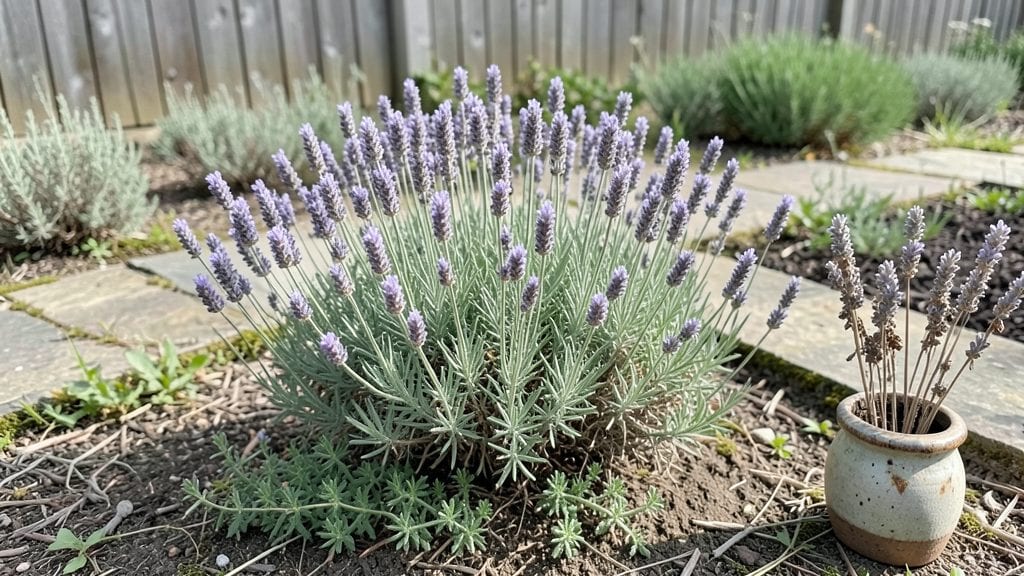
Here are some pet memory garden ideas that can turn your golden retriever’s favorite spots—like Sunny’s beloved marigolds—into a living tribute. Now, I’m sharing how to create a space that feels like a quiet conversation with your pet, where every plant and stone tells their story.
The key is blending sentimental touches with plants that thrive with minimal fuss. Think durable perennials like lavender (fragrant and long-lived) or catmint (drought-tolerant and beloved by pollinators), paired with engraved stones or custom benches where you can sit and remember.
Even a simple DIY memorial—like a painted rock with paw prints or a framed photo tucked into a waterproof sleeve—adds meaning without overwhelming the space.
What you’ll end up with is a garden that grows more beautiful each year, just like the memories it honors. The scent of rosemary, the rustle of ornamental grasses, or the quiet hum of bees on coneflowers—these become the soundtrack of your pet’s legacy.
And the best part? It’s a place where others can visit too, feeling the love woven into every leaf and stone.
Whether you have a small balcony or a backyard, this garden adapts to your space. Start with one corner, one memory, and let it grow naturally—just like the plants you choose. Here’s how to begin crafting a space that feels like home, forever.
📚 In This Guide
- What you need
- Instructions
- Tips and common mistakes
- Wrapping up and next steps
What you need
- ● Soil & Mulch: 2–5 bags of high-quality garden soil (1–2 cubic yards, depending on garden size)
- ● 1–2 bags of organic mulch (e.g., cedar chips or pine bark) for moisture retention
- ● Plants & Flowers: 3–10 pet-safe plants (e.g., sunflowers, lavender, or petunia—avoid lilies or foxglove!)
- ● 1–2 small trees or shrubs (e.g., dwarf willow or ornamental grasses) for structure
- ● Memorial Elements: 1–2 pet memorial markers (engraved stones, plaques, or custom signs)
- ○ Optional: wind chimes, solar lights, or a small bench for ambiance
- ● Tools: Garden trowel & shovel
- ● Pruning shears
- ● Wheelbarrow (for soil transport)
- ● Watering can or hose with spray nozzle
- ● Personalized touches: Paw-print stepping stones, a buried time capsule with your pet’s collar or photo, or a custom mosaic tile
- ● Comfort additions: A pet portrait hidden among the plants or a small fountain for soothing sounds
- ● Safety first: Chicken wire (to protect plants from curious pets) or pet-safe fertilizers
Instructions for designing a pet memory garden
Transforming a space into a peaceful tribute doesn't require landscaping expertise—just thoughtful planning and a few key elements.
Choose a Quiet, Sunlit Location
Select a spot that receives 4-6 hours of sunlight daily and feels naturally serene—perhaps near a window, under a tree, or beside a bench. I always look for areas where family members will pause naturally, like the edge of a patio or a corner of the yard. Avoid high-traffic paths where foot traffic might disturb the space over time.
Check the area at different times of day to notice how sunlight shifts. Morning sun creates a gentle, warm atmosphere, while afternoon light can feel more intense. If your yard has partial shade, consider shade-tolerant plants like ferns or hostas to keep the garden vibrant without harsh afternoon rays.
Create a Central Focal Point
Build the garden around a meaningful centerpiece, like a custom stone marker engraved with your pet's name and dates, or a small ceramic plaque with a favorite quote or memory. I like to place this at the garden's heart, surrounded by low-growing plants like creeping thyme or moss for a soft, inviting base.
For a more natural touch, use a smooth river rock or decorative urn filled with wildflowers. Position it where it’s easily visible but not overwhelming. If you’re working with limited space, even a single upright monument with a handwritten plaque can serve as the perfect anchor.
Layer Plants for Texture and Meaning
Incorporate plants that hold personal significance, such as your pet’s favorite flowers or herbs. For example, if your dog loved romping in the grass, add lavender for its calming scent and purple blooms. If your cat adored sunbathing, include catmint or catnip—plants that will attract happy visitors long after they’re gone.
Use a mix of heights: tall ornamental grasses for movement, medium shrubs like boxwood for structure, and low ground covers like clover or sweet alyssum for softness. Arrange them so the tallest plants face the back of the garden, creating a natural backdrop. This layered approach ensures the space feels lush and intentional, not sparse.
Add Comfort and Functionality
Include a small wooden bench or chair where family members can sit and reflect. Choose weather-resistant materials like cedar or teak, and position it so it faces the focal point. If space is tight, a window box with pet-friendly flowers can serve as both a decorative element and a place to rest a hand.
Consider adding a small water feature, like a bubbling stone or a shallow dish with a solar-powered fountain. The sound of water creates a soothing atmosphere and attracts birds, adding life to the garden. If you’re concerned about maintenance, opt for a self-contained solar fountain—it requires no electricity and minimal upkeep.
Incorporate Personal Touches
Weave in items that remind you of your pet, such as a favorite toy tucked into the garden bed, a collage of photos displayed on a small trellis, or wind chimes that mimic the sound of tags jingling. I once placed a miniature doghouse in my garden as a nod to my late beagle—it became a quiet spot for visitors to leave treats or notes.
Lighting can also enhance the garden’s mood. Install solar-powered path lights or fairy lights to create a warm glow in the evenings. Avoid harsh overhead lighting—soft, ambient illumination will make the space feel inviting and peaceful, especially during twilight hours when the garden can feel most magical.
Tips & tricks for perfect pet memory gardens
A few thoughtful strategies will help you create a garden that feels deeply personal and beautifully enduring—without requiring advanced gardening skills.
Location Matters: When selecting your 4-6 hours of daily sunlight spot, visit the area at different times of day to observe how light and shadows change throughout the day. Morning sun creates a softer, more intimate atmosphere, while afternoon light can feel warmer and more inviting. If your yard has partial shade, consider shade-tolerant plants like ferns or hostas—they'll keep the garden vibrant without competing with harsh afternoon rays.
Focal Point Placement: The central focal point should be visible from the garden's entrance but not overwhelming. In Step 2, when positioning your custom stone marker or decorative urn, imagine sitting on your wooden bench—it should be the first thing you notice when you enter the space. For a more natural look, place a smooth river rock or upright monument slightly off-center to create visual interest without clutter.
Plant Selection with Purpose: In Step 3, choose plants that hold special meaning for your pet. Lavender, for example, not only has a calming scent but also attracts butterflies, creating a living tribute. For cats, catmint or catnip will bring back happy memories while welcoming feline visitors. Arrange plants in layers, with taller ornamental grasses at the back and low ground covers like clover in the front—this creates depth and makes the garden feel intentional rather than sparse.
Personal Touches Make It Unique: The most meaningful elements in Step 5 are the ones that remind you of your pet. A favorite toy tucked into the garden bed or a miniature doghouse can become cherished spots for visitors to leave notes or treats. Wind chimes that mimic the sound of tags jingling add a subtle, nostalgic touch. Lighting is key here—soft solar-powered path lights or fairy lights create a warm, inviting glow during twilight hours, making the garden feel magical and peaceful.
Pro Tips for Pet Memory Garden Ideas
- A few thoughtful strategies will help you create a garden that feels deeply personal and beautifully enduring—without requiring advanced gardening skills.
- Location Matters: When selecting your 4-6 hours of daily sunlight spot, visit the area at different times of day to observe how light and shadows change throughout the day.
- Focal Point Placement: The central focal point should be visible from the garden's entrance but not overwhelming.
Frequently asked questions
Got questions about creating a pet memory garden? We’ve got answers! Here are some of the most common concerns—and how to tackle them with love and care.
What’s the best time of year to plant a pet memory garden?
The ideal time depends on your climate, but spring or early fall are usually best. These seasons offer mild weather and ample time for plants to establish roots before extreme temperatures. If you’re in a warm region, winter planting can also work—just choose drought-resistant plants like lavender or succulents.
How do I choose meaningful plants or decorations for my pet’s memory garden?
Start by reflecting on your pet’s personality! Did they love sunbathing? Add a yellow flower like marigolds or goldenrod. Were they a water lover? Incorporate a small fountain or water-loving plants like irises. Personal touches—like a paw-print stone or their favorite toy—can also make it extra special.
Can I include my pet’s ashes in the garden, and how?
Yes! Many pet owners scatter ashes in the soil or mix them into the planting hole. For a more structured approach, use a biodegradable urn buried near a favorite plant. Avoid placing ashes directly on top of soil—this can prevent proper decomposition and may deter plant growth.
What if I don’t have a yard? Are there alternatives?
A pet memory garden can thrive in containers, window boxes, or even a small balcony. Use a mix of herbs (like rosemary or thyme), small flowering plants, and a mini memorial plaque. For urban spaces, consider a vertical garden with pet-themed decor.
How do I keep the garden low-maintenance while honoring my pet?
Opt for native, drought-tolerant plants that require minimal watering. Add mulch to retain moisture and suppress weeds. Choose durable materials like stone or metal for memorial markers—they won’t need frequent upkeep. A drip irrigation system can also simplify care.
What if my garden isn’t thriving? How can I troubleshoot?
Check for proper sunlight (most plants need 6+ hours/day), well-draining soil, and consistent watering. If pests are an issue, use pet-safe solutions like neem oil or companion planting (e.g., marigolds deter pests). If a plant struggles, swap it for a hardier variety—your garden should be a joy, not a chore!
Wrapping up and next steps
Creating a pet memory garden is a beautiful way to honor your beloved companion while turning grief into something meaningful. Whether you choose a quiet corner with their favorite flowers, a memorial bench, or a playful statue, these spaces become living tributes that celebrate their love and legacy. 🌸
Now that you’re inspired, take the next step: sketch a simple design or visit a local garden center for materials. Your pet’s memory deserves a space as unique as they were—so get started today and let their spirit bloom in your garden! 🌿