
Advice
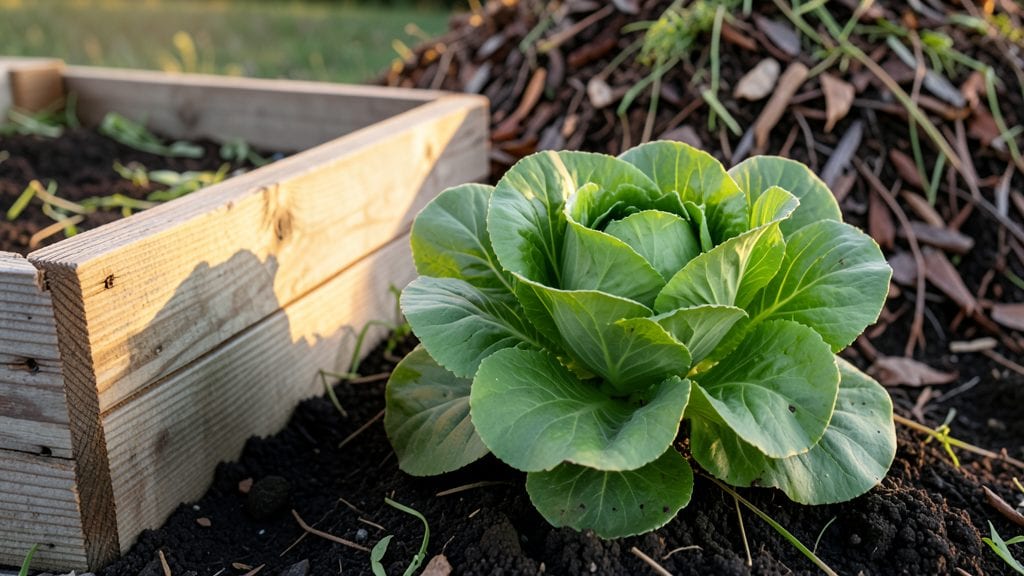
My organic gardening tips start with one simple truth: healthy soil grows healthy plants, and the best fertilizers come from what you already have. 🌱 I’ve spent years perfecting a system that cuts out chemicals while boosting yields—no fancy tools or expensive amendments required.
The key lies in understanding how nature already works, then working with it instead of against it.
You’ll need basic supplies: compost, mulch, a sharp shovel, and a keen eye for what’s thriving (or struggling) in your garden. The real magic happens in layers—improving soil structure, feeding plants naturally, and outsmarting pests before they become problems.
My first garden went from struggling to shockingly productive in just one season after switching to these methods.
By the end, you’ll have a garden that feeds itself—rich, crumbly soil that holds moisture, plants that resist disease, and a harvest that keeps giving all year.
The best part? You’ll save money, reduce waste, and create a space that’s not just beautiful but alive with activity. Let’s get your soil working for you.
These techniques work in any climate, from containers to full-size plots, and they scale with your experience. Whether you’re a beginner or a seasoned gardener looking to refine your approach, the principles stay the same: feed the soil, not the plant, and let nature do the rest.
📚 In This Guide
- What you need
- Instructions
- Tips and common mistakes
- Wrapping up and next steps
What you need
- ● Garden Space: In-ground plot (minimum 4’ x 4’ for beginners) OR raised beds (2’ x 4’ x 6” deep)
- ● Full sun exposure (6+ hours/day) for most veggies
- ● Soil: High-quality organic compost (2–3 cubic feet per 10 sq. ft. of garden)
- ● Well-draining potting mix (for containers, 1–2 gallons per plant)
- ● pH testing kit (ideal range: 6.0–7.0)
- ● Seeds/Plants: Organic, non-GMO seeds (1–2 packets per crop, e.g., tomatoes, lettuce, herbs)
- ○ Seedlings (optional, 3–5 per variety for faster growth)
- ● Basic Tools: Hand trowel (6–8” long)
- ● Pruners (bypass-type for clean cuts)
- ● Garden gloves (breathable, waterproof)
- ● Watering can (1–2 gallons) OR hose with adjustable nozzle
- ● Stakes or cages (for vining plants like cucumbers/tomatoes)
- ● Mulch (straw, wood chips, or leaves to retain moisture)
- ● Compost bin (for year-round nutrient recycling)
- ● Row covers (frost protection or pest deterrent)
- ● Organic pesticides (neem oil, insecticidal soap)
- ● Soil amendments (worm castings, kelp meal, or bone meal for specific needs)
- ● Garden journal (to track plant progress and soil conditions)
Instructions: build a thriving organic garden foundation
Here's how to establish the core practices that keep organic gardens productive and resilient.
🌱 Step 1: Prepare Your Soil With Natural Amendments
Start by testing your soil's pH and texture—organic gardening begins with healthy soil. I always work in 2-3 inches of compost (from the 5-gallon bucket) mixed into the top 6 inches of soil. This improves drainage and feeds beneficial microbes. For heavier clay soils, add 1 part perlite to 3 parts soil to create air pockets.
Spread the compost evenly across the bed, then use a broadfork to loosen the soil without disturbing the structure. Think of it like fluffing a pillow—you want to create space for roots to grow without compacting. Water deeply after amending to help the organic matter integrate.
💧 Step 2: Implement Mulch to Retain Moisture and Suppress Weeds
Apply a 3-inch layer of organic mulch (like straw or shredded leaves) immediately after planting. This keeps soil temperatures stable and reduces water evaporation by up to 50%. I prefer straw because it breaks down slowly and won't mat like wood chips.
Keep the mulch 2 inches away from plant stems to prevent rot. You'll notice fewer weeds popping up and less need for watering—this is organic gardening efficiency at work. Refresh the mulch layer every 3-4 months as it decomposes.
☀️ Step 3: Rotate Crops Seasonally for Long-Term Health
Divide your garden into four sections and rotate plant families yearly. For example, tomatoes (nightshades) shouldn't return to the same spot for 3 years. This prevents soil-borne diseases and depletes pests' life cycles. I keep a simple chart tracking rotations.
In fall, plant cover crops like clover or winter rye in empty sections. These "green manures" add nitrogen and protect soil from erosion over winter. Till them in just before spring planting—you'll see richer soil and stronger seedlings.
✂️ Step 4: Hand-Weed and Prune for Disease Prevention
Pull weeds when they're young—before they develop deep roots. I use a hula hoe for between rows and a small trowel for precision. Never let weeds go to seed, or you'll fight them twice as hard next season. Water plants at the base, not overhead, to discourage fungal growth.
Prune plants to improve airflow. Remove any yellow or brown leaves immediately—they're disease entry points. For tomatoes, pinch off suckers (the shoots between stems) to focus energy on fruit production. You'll notice stronger plants with fewer problems.
🪴 Step 5: Use Companion Planting for Natural Pest Control
Pair plants that benefit each other: marigolds repel nematodes, basil deters flies, and nasturtiums lure aphids away from vegetables. I always plant these "guardians" around the perimeter of my beds. The scent alone keeps many pests at bay.
Interplant fast growers with slow starters—like radishes with carrots. The radishes mature first, then get harvested before they compete for space. This maximizes every square foot while keeping the ecosystem balanced.
Tips & tricks for year-round organic gardening success
These battle-tested strategies will help you maintain a thriving organic garden that stays productive through every season.
Soil Preparation Insight: When amending your soil with the 2-3 inches of compost, consider adding a handful of worm castings to the mix. These contain beneficial microbes that accelerate decomposition and improve nutrient availability. I find this especially helpful in sandy soils where nutrients drain away quickly. The key is to work the compost into the top 6 inches—this creates a rich layer where most plant roots will grow, giving them immediate access to nutrients.
Mulch Timing Strategy: The 3-inch mulch layer you apply should be refreshed every 3-4 months, but don't wait until it's completely decomposed. I check my mulch around the 2-month mark—if it's broken down to less than 1 inch thickness, it's time to add another layer. This consistent coverage maintains that critical 50% reduction in water evaporation while preventing weed seeds from germinating.
Crop Rotation Technique: For the three-year rotation mentioned for nightshades, I recommend using a simple color-coded system: mark each of your four garden sections with different colored stakes. This visual cue makes it impossible to accidentally plant tomatoes back in their old spot. In fall, when planting cover crops like clover, aim for a 50/50 mix with winter rye—this combination gives you both nitrogen fixation and erosion protection.
Pest Prevention Proactive: When using companion planting, marigolds are my go-to perimeter plant because they release a compound called alpha-terthienyl that repels nematodes. For added protection, I interplant nasturtiums among my vegetables—they act as a trap crop for aphids, drawing pests away from your main crops. The key is to maintain this perimeter planting throughout the growing season, not just at planting time.
Pro Tips for Organic Gardening Tips
- These battle-tested strategies will help you maintain a thriving organic garden that stays productive through every season.
- Soil Preparation Insight: When amending your soil with the 2-3 inches of compost, consider adding a handful of worm castings to the mix.
- Mulch Timing Strategy: The 3-inch mulch layer you apply should be refreshed every 3-4 months, but don't wait until it's completely decomposed.
Frequently asked questions
Got questions about organic gardening? You’re not alone! Here are some of the most common queries—plus straightforward answers to help you grow with confidence.
How do I start an organic garden if I have limited space?
No yard? No problem! Use containers, vertical planters, or even a sunny windowsill for herbs and leafy greens. Opt for compact varieties like cherry tomatoes, dwarf peppers, or bush beans. Just ensure your pots have drainage holes and use organic potting soil. Pro tip: Rotate containers seasonally to maximize sunlight exposure!
When is the best time to plant organic seeds?
Timing depends on your climate and crop. For cool-season veggies (like lettuce or spinach), plant in early spring or fall. Warm-season crops (tomatoes, peppers) thrive when soil temps hit 60°F+. Check your local frost dates and follow the "last frost" rule: plant after the danger has passed. Pro tip: Use a soil thermometer for accuracy! ⌡
How do I deal with pests organically without chemicals?
Start with prevention: healthy soil = strong plants. Use row covers, companion planting (e.g., marigolds repel nematodes), or introduce beneficial insects like ladybugs. For stubborn pests, try neem oil, insecticidal soap, or homemade sprays (like garlic-chili water). Pro tip: Handpick pests early in the morning when they’re sluggish!
Are organic fertilizers worth the extra cost?
Yes! While they may cost more upfront, organic fertilizers (compost, worm castings, bone meal) improve soil health long-term, reducing the need for synthetic inputs. They also prevent nutrient runoff, which harms ecosystems. Start with homemade compost—it’s free and packed with nutrients! Pro tip: Mix organic fertilizers with water for a slow-release boost.
Can I garden organically in winter?
Focus on cold-hardy crops (kale, carrots, garlic) and extend the season with row covers or cold frames. Winter is also perfect for planning: rotate crops, amend soil, and start seeds indoors. Pro tip: Mulch heavily to insulate roots and retain moisture.
How often should I rotate my crops?
Aim to rotate crops annually to prevent soil depletion and pest/disease buildup. Group plants by family (e.g., tomatoes, peppers, eggplants) and avoid planting them in the same spot yearly. Use a simple chart to track rotations. Pro tip: Follow the rule: "Don’t plant the same family in the same bed for 3+ years."
Wrapping up and next steps
Embarking on your organic gardening journey is a rewarding way to connect with nature while growing healthy, vibrant plants. From choosing the right soil and natural pest control methods to seasonal planning and sustainable practices, these tips set you up for year-round success—no matter your experience level. 🌱
Start small, stay consistent, and don’t forget to celebrate every harvest—your garden (and the planet!) will thank you. Ready to dig in? Grab your gloves, sketch a simple plan, and let your green thumb flourish! What’s one tip you’ll try first?